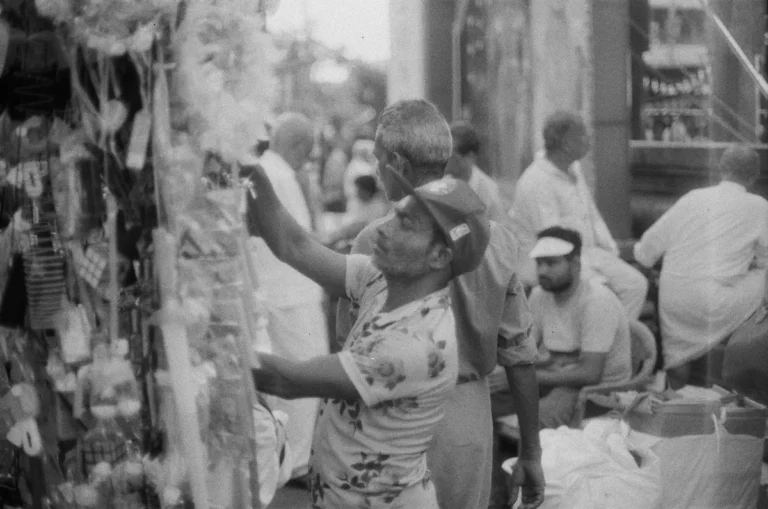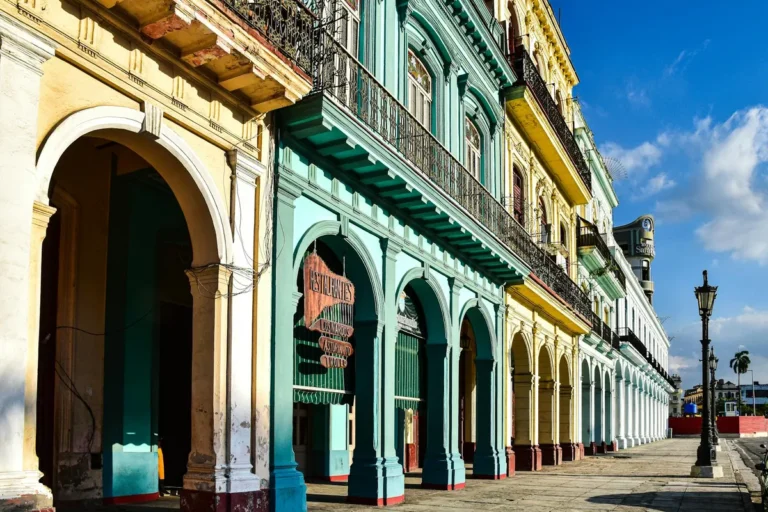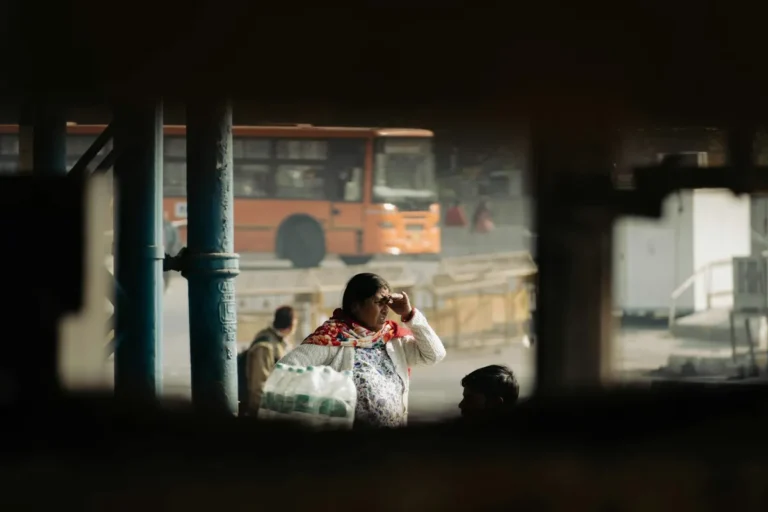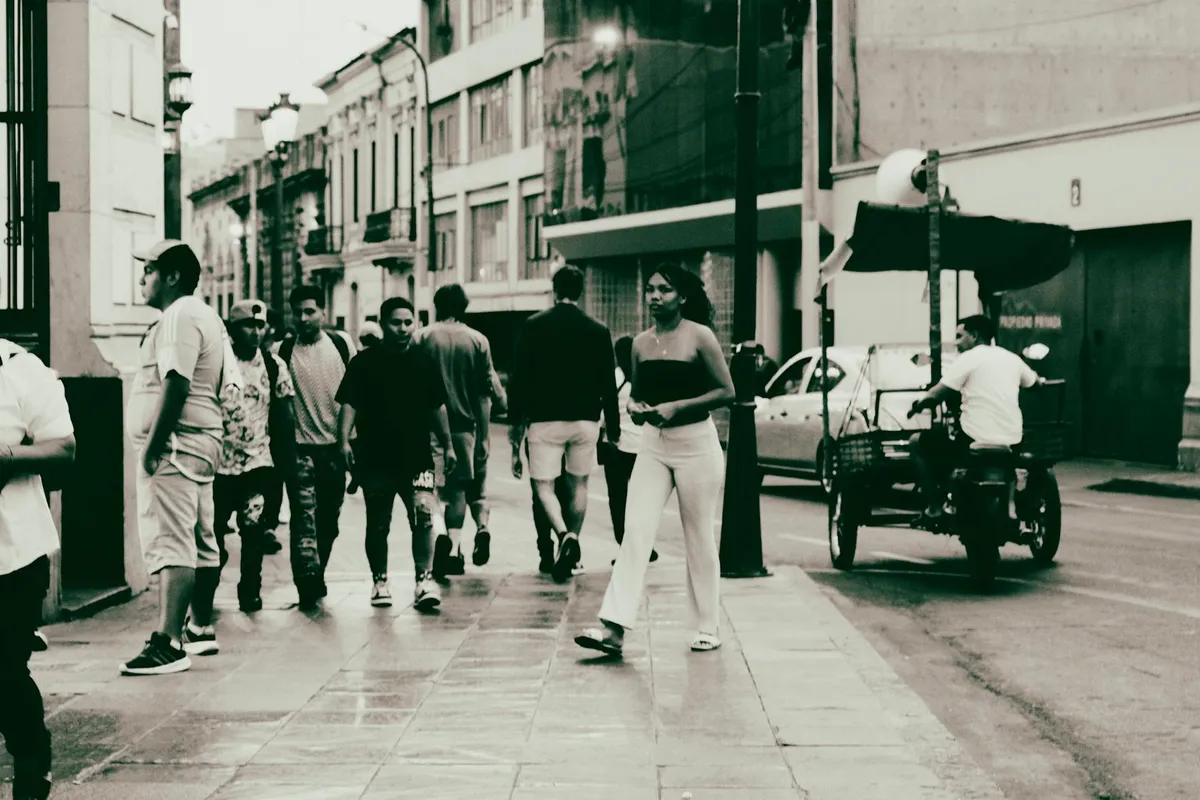
I have taken approximately fourteen thousand photographs in Cuba over the years. I have a folder structure on a hard drive that goes back to 2009 and that includes pictures from every trip I have made since I started taking the camera seriously. The pictures are mostly competent and a few of them are, by my standards, good. The pictures that matter most to me, however, are mostly pictures of things I cannot photograph. I want to write about what I mean by that, because the negative space in the photographic record is one of the things I think about most often when I think about my relationship to the island.
The smell of the bakery on G Street
The bakery on G Street, two blocks down from my grandmother's apartment in El Vedado, has been there since at least 1962. It is a state-run panadería that makes the standard rationed bread along with, on most days, a small batch of better bread that you can buy if you arrive at the right time. The bread itself is fine. The smell of the bakery, at six-thirty in the morning when the first batch is coming out of the ovens, is one of the smells I associate most directly with home, and is not something I can photograph.
The smell of fresh bread is not, in itself, photographable. The bakery building is photographable. The line of people waiting outside is photographable. The bread on the wooden trays is photographable. I have photographed all of these. The pictures are fine. They do not convey the smell. The smell is the thing that, for me, is the actual texture of the corner, and the smell is the thing that the photographs cannot include.
This is a small example of a category. There are a lot of smells in Havana that I associate with specific places and that the photographs cannot carry. The smell of the sea at the Malecón at five in the morning. The smell of the courtyard of my building, which has a particular smell that I cannot describe even in words and that comes from some combination of the plants, the laundry, the cooking, the dust, and the air. The smell of the inside of an almendrón when the windows are down. The smell of the rain on the pavement after the first heavy rain of the season.
The sound of the queue
The queue — la cola — is one of the recurring environments of daily Cuban life. You queue at the bank, at the bakery, at the panadería, at the agromercado, at the embassy, at the doctor's office, at the bus stop, at any of the institutional offices that you need to interact with. The queue has its own conventions. You arrive and you ask who is last. You become the last person. Someone else arrives and asks you who is last. You become the second-to-last person. The system is informal and works.
The sound of the queue is one of the things I associate most strongly with the texture of Cuban life. The murmur of conversation. The specific intonation of the voice that asks "el último?" when someone arrives. The bursts of laughter at intervals. The negotiated decisions about whether someone can hold someone else's place while they go to do something for fifteen minutes. The complaining about the wait that is also somehow not really complaining because the waiting is the structure of the day and there is no useful complaint to be made.
I have photographed many queues. The pictures show people standing. The pictures do not contain the sound. The sound is the thing that makes the queue what it is, and the sound is the thing that the photographs cannot capture. I have, on occasion, made audio recordings, which work better, but audio recordings are not a form that travels with the photography in the way I would want them to.
The light in the apartment at four in the afternoon
The apartment in El Vedado has a particular quality of light at four in the afternoon, which comes through the kitchen window in a way that depends on the angle of the sun and on the dust in the air and on the specific shade of the wall opposite the building. The light is one of the things I look forward to when I come back. I have, every time I have been there, spent some part of the four-in-the-afternoon hour sitting in the kitchen with a coffee and the light on the table.
I have photographed the light. I have photographed it from many angles. The photographs are, with a few exceptions, disappointing. The light is what it is because of the way it interacts with the room and with my eye and with the specific phenomenology of being in that room at that hour. The photographs show light hitting surfaces. They do not contain the experience of the light. The experience of the light is the thing that matters and is the thing the photographs do not have a way to carry.
This is a problem, I have come to think, that is intrinsic to photographing places you have an emotional relationship with. The photograph is a record of the visual surface. The emotional relationship is, in part, a record of accumulated experience that the visual surface is not equipped to carry. The two records are different records of the same thing, and the photograph can be a competent visual record while still being almost useless as a record of the emotional substance.
The way conversations end
One of the cultural specifics of Havana that I have always tried to articulate to non-Cuban friends, and have always failed to articulate adequately, is the way conversations end. They do not end the way conversations end in Miami or in New York or in any of the other cities I have spent time in. They end with a slow trailing-off that involves multiple iterations of "bueno" and "vale" and "nos vemos" and that can take, from the first signal that the conversation might be ending to the actual physical separation of the speakers, fifteen minutes or more.
This is not inefficiency. The slow ending is part of the conversation. The slow ending is where some of the most important content of the conversation happens. The things you have not yet said but have been working up to. The small confirmations that the relationship between you is intact. The little adjustments to your sense of when you will next see each other. The slow ending is the part where the relationship between the speakers is maintained, even though the surface content of the conversation may have nominally finished.
I cannot photograph this. I can photograph two people standing on a street corner. I can photograph them at one of the moments during the slow ending. The photograph does not contain the slow ending itself, which is a temporal phenomenon that requires the timeline to be made legible. The photograph collapses the timeline to an instant. The instant is not what is happening.
What I have tried to do about it
I have, over the years, tried various things to compensate for what the photographs cannot do. I have made audio recordings. I have kept written notes. I have made small videos. I have, in the last few years, started writing pieces like this one, which is in part an effort to articulate the things the photographs do not include.
The writing helps, partly. Writing can render temporal phenomena that photography cannot. Writing can describe smells and sounds in ways that approximate, however imperfectly, what they actually were. Writing can carry the emotional substance that the surface visual record cannot. The writing is, I have come to think, the necessary complement to the photography rather than a substitute for it.
The audio recordings work for the sound. The notes work for the small specific observations that I would otherwise forget. The videos work for some of the temporal phenomena, although the videos have their own limitations and have not, on the whole, become a form I have settled into in a sustained way.
What the photographs do well
I do not want to be unfair to the photographs. The photographs do some things very well. They preserve the visual surface in a way that I cannot reproduce from memory. They show the specific architectural details that my memory simplifies. They show the faces of people who are no longer alive in a way that no other record I have can match. The photographs are essential, even though they are also limited.
The photograph of my grandmother in her kitchen, in May 2017, is the photograph that is currently doing the most work in my life. She is sitting at the table where she sat for most of her adult life. The light is the four-in-the-afternoon light. She is looking at the camera, which is to say at me. She is smiling, in the specific way she smiled at me. The photograph does not contain her voice or her smell or the slow ending of the conversation we were having when I took it. The photograph contains her face, in that light, on that afternoon, looking at me. That, by itself, is a substantial thing for the photograph to contain. The photograph is on my wall in Miami. I look at it every day.
What I will keep doing
I will keep photographing. I have a new lens that I am still learning, and a smaller camera that I have started carrying when I want to be less conspicuous in the streets, and the technical practice of photography is something I enjoy and want to continue improving at. The photographs will continue to be a substantial record of my time in Cuba, and the photographs will continue to be one of the principal ways I have access to specific moments from past trips.
I will also keep writing. The writing has become, over the years, the place where the photographic gaps get filled in. The writing is where the smells and the sounds and the temporal phenomena and the emotional substrate that the photographs cannot carry have a chance to be rendered, however imperfectly.
The combination of the two — the photographs and the writing — is what I have ended up with. Neither is sufficient. Together they get closer to what the time on the island has actually been than either could on its own. I am writing this on a Tuesday morning. I will be back on the island in three weeks. I will take more pictures. I will take notes. I will, when I am back, write the pieces that the notes turn into. The record I am building will continue to be partial. The partial record is the only kind of record there is.