Planning to immerse yourself in Cuba's vibrant Carnival? This guide provides the practical details necessary to navigate the festivities effectively, from understanding regional differences to securing accommodations and managing logistics. Cuba's Carnival is not a single event but a series of distinct celebrations across the island, each offering a unique cultural experience. Knowing when and where to focus your visit, and what to expect on the ground, is crucial for a rewarding trip that aligns with your travel goals and budget. If you're focusing on the eastern side of the island, planning your visit to Santiago de Cuba will require specific attention to its unique Carnival traditions.
The Essence of Cuban Carnival
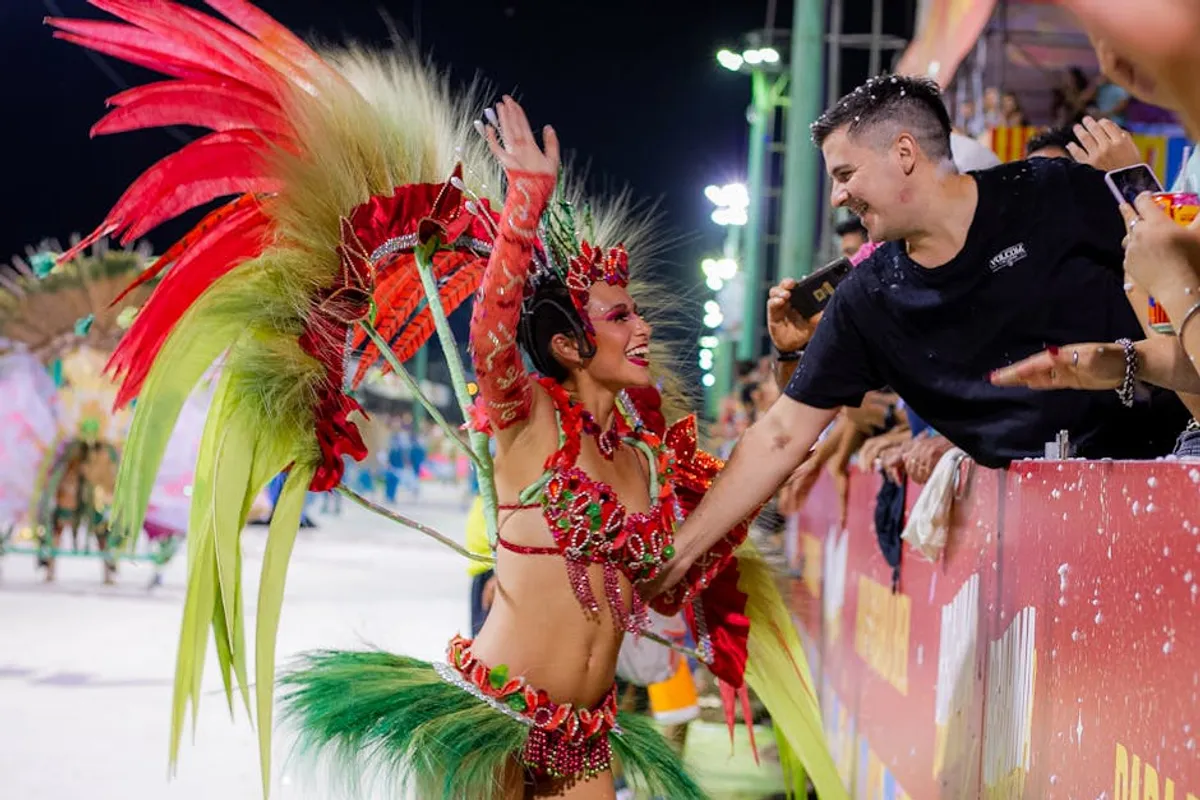
Cuban Carnival is a deeply rooted cultural phenomenon, distinct from its counterparts in Brazil or Trinidad. It’s a celebration of Afro-Cuban heritage, characterized by street parades, live music, traditional dance, and an abundance of local food and drink. The festivities are less about elaborate, ticketed spectacles and more about spontaneous street parties and community participation. Understanding this fundamental difference helps set realistic expectations for the experience.
Historical Roots and Regional Variations
The origins of Cuban Carnival trace back to colonial times, blending Spanish religious festivals with African traditions brought by enslaved people. This fusion created a unique expression of joy and resistance. While the core elements remain consistent, regional carnivals have developed distinct characteristics:
- Santiago de Cuba: Widely considered the most authentic and historically significant, with strong Afro-Cuban influences.
- Havana: A more contemporary, urban celebration, though still rich in traditional elements.
- Matanzas, Cienfuegos, Pinar del Río: Smaller, more intimate events often retaining specific local customs and musical styles.
Key Carnival Destinations and Timing
The timing of Cuban Carnivals varies significantly by location, making advance planning essential. Unlike many other carnivals tied to Lent, Cuba's celebrations often occur in summer, primarily July and August, to coincide with national holidays.
Santiago de Cuba: The Main Event
When: Typically held in late July, culminating around July 26th, a national holiday commemorating the start of the Cuban Revolution.
What to expect: Santiago's Carnival is renowned for its conga lines (comparsas), which are large groups of dancers and musicians parading through the streets. The music is dominated by the distinctive sound of the conga drum, Chinese trumpet (trompeta china), and rhythmic chanting. Floats are present, but the focus is on the energetic street performances and the direct engagement of the crowds. The atmosphere is intense, participatory, and often extends late into the night.
Havana: Urban Festivities
When: Historically held in August, though dates can fluctuate. It's advisable to check local schedules closer to your travel dates.
What to expect: Havana's Carnival is centered along the Malecón, the city's iconic seafront promenade. While it features parades with floats and costumed dancers, it often has a more organized, spectator-oriented feel compared to Santiago. The music is diverse, incorporating popular Cuban genres alongside traditional carnival rhythms. It's a large-scale urban party, drawing both locals and tourists to enjoy the cooler evening sea breezes.
Other Notable Carnivals
Smaller cities like Matanzas and Cienfuegos also host carnivals, often with a more localized flavor and less tourist traffic. These can offer a more authentic, community-focused experience for those willing to venture beyond the main hubs. Their dates typically fall in July or August, but are less publicized internationally and require specific local inquiry.
Experiencing the Festivities
Participation is key to enjoying Cuban Carnival. The celebrations are not merely observed; they are lived.
Music, Dance, and Comparsas
The heartbeat of Carnival is its music. Expect to hear live bands playing traditional Cuban genres like son, salsa, and rumba, alongside the distinct rhythms of the comparsas. These parading groups, often representing neighborhoods or cultural associations, perform intricate choreographies. Joining a conga line is a common way to engage, even for those with limited dance experience. The energy is infectious, and inhibition is often shed quickly.
Street Food and Local Delights
Carnival brings out a wide array of street vendors. Look for traditional Cuban dishes and snacks, often prepared fresh. Expect to find:
- Frituras: Fried dough or vegetable fritters.
- Pork Sandwiches: Slow-roasted pork on Cuban bread.
- Churros: Fried dough pastries, often served with sugar.
- Local drinks: Rum-based cocktails, beer, and fresh fruit juices are widely available.
Pro Tip: When purchasing food and drink from street vendors, prioritize stalls with high turnover and visible hygiene practices. Bottled water is always a safer choice than tap water during large public events.
Planning Your Carnival Journey
Effective planning ensures a smoother, more enjoyable experience, especially given Cuba's unique logistical landscape.
Accommodation and Booking Strategy
Carnival periods are peak season in host cities. Accommodation, particularly in Santiago de Cuba, books up months in advance. Options include:
- Casa Particulares: Private homes offering rooms for rent. These provide an authentic cultural immersion and are often more affordable than hotels. They are highly recommended for a local experience.
- Hotels: Government-run hotels are available, offering more standard amenities but often at a higher price point and with less local character.
Book well in advance, ideally 4-6 months out, especially if targeting Santiago de Cuba.
Getting Around: Local Transportation
Inter-city travel in Cuba can be time-consuming. Options include Viazul buses (government-run, comfortable, but book ahead), shared taxis (collectivos), and domestic flights for longer distances. Within carnival cities, expect to walk extensively. Taxis (official and unofficial) are available, but surge pricing during Carnival is common. Agree on fares before starting a journey.
Essential Packing List
Focus on comfort and practicality:
- Lightweight, breathable clothing (cotton, linen).
- Comfortable walking shoes (you will be on your feet for hours).
- Sun protection: hat, sunglasses, high-SPF sunscreen.
- Small backpack or cross-body bag for essentials, kept secure.
- Basic first-aid kit (band-aids, pain relievers, antiseptic wipes).
- Reusable water bottle (to refill if safe water sources are found, otherwise rely on bottled).
Navigating the Celebrations
Embrace the energy, but remain aware of your surroundings. Crowds can be dense, especially during peak parade times. Keep valuables secure and out of sight. While generally safe, petty theft can occur in crowded areas. Engage with locals, but be polite and respectful of cultural norms. Photography is generally welcomed, but always ask permission before taking close-up shots of individuals.
Preparing for Your Trip
Visa and Currency Considerations
Most visitors require a tourist card (visa) for Cuba, obtainable through airlines or tour operators. Confirm requirements based on your nationality. The official currency is the Cuban Peso (CUP). While some places may accept foreign currency, it's generally more advantageous to use CUP. ATMs can be unreliable, so bring sufficient cash (Euros or Canadian Dollars are often preferred over USD due to US sanctions) to exchange at official Casas de Cambio or banks.
Health and Safety Guidelines
Travel insurance that includes medical coverage is mandatory for Cuba. Consult your doctor regarding recommended vaccinations. Stay hydrated, especially in the summer heat, and be mindful of food and water hygiene. Avoid excessive alcohol consumption, particularly when navigating crowded streets. Always inform someone of your plans if venturing out alone at night.
Maximizing Your Carnival Experience
To fully appreciate Cuba's Carnival, arrive with an open mind and a willingness to participate. Don't be afraid to join a street dance or try a new local dish. Engage with the performers and locals; their enthusiasm is contagious. While planning is important, allow for spontaneity. Some of the best experiences happen unexpectedly. Remember that the focus is on collective joy and cultural expression, making it a truly unique event unlike any other.
Practical Wrap-Up: Making the Most of Your Visit
To ensure a fulfilling Cuba Carnival experience, prioritize early booking for accommodation and transport, particularly for Santiago de Cuba. Pack for comfort and heat, and carry essential personal items securely. Embrace the street-level festivities, from joining a conga line to sampling local street food. Be mindful of personal safety in crowds and manage your currency and connectivity expectations. This proactive approach will allow you to fully immerse yourself in one of Cuba's most vibrant cultural celebrations.
Frequently Asked Questions
When is the best time to experience Cuba Carnival?
The most renowned Carnival is in Santiago de Cuba, typically held in late July, culminating around July 26th. Havana's Carnival usually takes place in August, but dates can vary, so always confirm local schedules.
Do I need a visa to attend Carnival in Cuba?
Most foreign visitors require a tourist card (visa) to enter Cuba. It's essential to check the specific requirements for your nationality well in advance of your travel dates, as these can vary.
What type of accommodation should I book for Carnival?
During Carnival, accommodation fills up quickly. "Casa Particulares" (private homes offering rooms) are highly recommended for an authentic experience and often better value. Book these several months in advance, especially for Santiago de Cuba.
Is Cuba Carnival safe for tourists?
Cuba Carnival is generally safe, but like any large, crowded event, it requires vigilance. Be aware of your surroundings, keep valuables secure, and avoid walking alone in poorly lit areas late at night. Petty theft can occur in dense crowds.