Cuba's built environment offers a tangible timeline of its complex history, reflecting centuries of colonial rule, revolutionary shifts, and enduring cultural fusion. For travelers, understanding Cuban architecture means more than just observing old buildings; it involves decoding the stories embedded in every facade, courtyard, and plaza. This guide provides a structured approach to identifying and appreciating the distinct architectural styles that define Cuban cities, enabling a deeper engagement with the island's unique heritage.
Havana's Architectural Layers: A Historical Journey
Colonial Grandeur: Old Havana's Enduring Charm
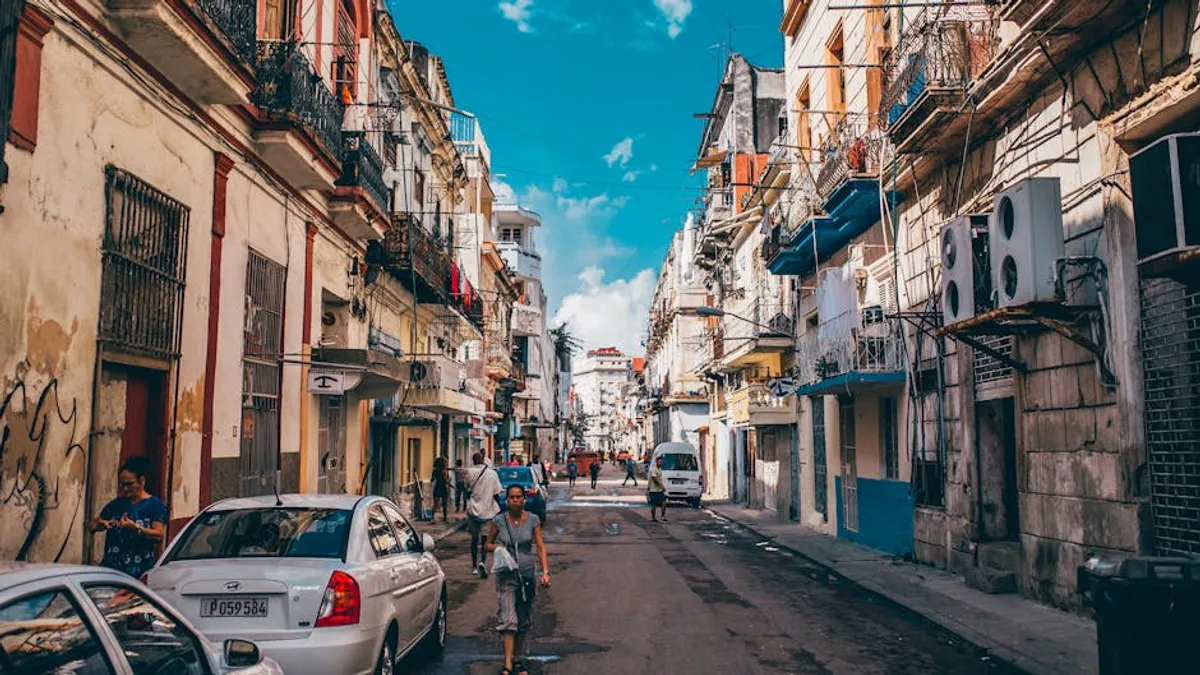
Old Havana, a UNESCO World Heritage site, serves as the island's most concentrated display of Spanish colonial architecture, primarily from the 16th to 19th centuries. The urban planning here follows a grid pattern, characteristic of Spanish colonial towns, centered around grand plazas. Buildings typically feature thick stone walls, high ceilings designed for natural cooling, and prominent wooden doors. Key elements include enclosed central courtyards (patios), often adorned with lush plants, providing privacy and ventilation. Look for the ornate wrought-iron balconies that project from upper stories, offering residents a view of street life while maintaining a degree of separation. The use of vibrant pastels and earthy tones on facades is also a hallmark, often contrasted with darker wood or ironwork.
Specific observation points: Plaza Vieja, Plaza de Armas, and Calle Obispo offer prime examples of these well-preserved structures, many of which now house museums, galleries, or restored hotels.
Neoclassical Influences: The 19th Century Shift
As the 19th century progressed, Cuba, particularly Havana, began to adopt Neoclassical styles, influenced by European trends and a growing prosperity from sugar exports. This shift introduced elements like classical columns, pediments, and symmetrical facades, moving away from the more rustic colonial aesthetics. Buildings became grander, often featuring larger windows and more formal arrangements. The emphasis was on order, proportion, and classical motifs, often executed in stucco or stone.
Specific observation points: El Capitolio, inspired by the U.S. Capitol, is a monumental example. The mansions along Paseo del Prado and the buildings surrounding Parque Central also showcase this period's transition, often blending Neoclassical symmetry with lingering colonial details.
Art Deco and Eclecticism: Mid-20th Century Modernity
The early to mid-20th century brought a wave of Art Deco and eclectic styles to Havana, reflecting a period of significant economic growth and American influence. Art Deco buildings are characterized by geometric patterns, streamlined forms, and decorative elements like sunbursts, zigzags, and stylized flora. Eclecticism, meanwhile, allowed for a broader mix of historical styles, often within the same structure, resulting in unique and sometimes flamboyant designs.
Specific observation points: The Bacardí Building stands as a premier example of Art Deco, with its distinctive bat emblem and intricate detailing. The FOCSA Building, a massive apartment complex, represents a later phase of mid-century modernism, showcasing concrete construction and functional design principles. Exploring the Vedado neighborhood reveals numerous Art Deco and eclectic residences.
Beyond Havana: Regional Architectural Styles
Trinidad's Pastel Palettes: A UNESCO Gem
Trinidad, another UNESCO site, offers a distinct architectural experience. Its well-preserved 18th and 19th-century colonial architecture is characterized by cobblestone streets, brightly painted single-story houses, and elaborate grilles (rejas) on windows. The town's wealth, derived from the sugar industry, funded the construction of grand mansions with spacious courtyards, many of which are now museums or guesthouses. The color palette here is particularly striking, featuring vibrant blues, greens, and yellows.
Cienfuegos: The Pearl of the South's French Flair
Cienfuegos stands apart with its strong French influence, evident in its orderly grid plan, wide boulevards, and predominantly Neoclassical architecture. Founded by French immigrants, the city boasts elegant buildings with classical columns, cornices, and balconies, often with a more refined and less ornate feel than Havana's colonial structures. The city's central park, Parque José Martí, is surrounded by impressive examples, including the Terry Theater and the Provincial Government Palace.
Santiago de Cuba: Caribbean and Afro-Cuban Fusion
Santiago de Cuba, the island's second-largest city, presents a more rugged and deeply Caribbean architectural style. Its buildings often feature steep, winding streets, vibrant colors, and a blend of Spanish colonial and Afro-Cuban influences. The architecture here feels less formal than Havana's, with a strong emphasis on community and open-air living. Look for the distinctive "gingerbread" style houses, particularly in the Tivolí neighborhood, characterized by intricate wooden fretwork.
Key Architectural Elements to Observe
- Wrought-Iron Balconies and Rejas: These decorative metalwork elements are ubiquitous, serving both aesthetic and security functions. Their designs vary significantly by region and era.
- Vitrales (Stained-Glass Transoms): Often found above doorways, these colorful glass panels are a unique Cuban adaptation, diffusing light and adding visual interest.
- Patios and Courtyards: Essential for ventilation and privacy, these central open-air spaces are a defining feature of many colonial and neoclassical homes.
- Mudejar Ceilings: In older colonial buildings, intricate wooden ceilings with geometric patterns, reflecting Moorish influence from Spain, can still be found.
- Zaguán: The grand entrance hall or passageway leading from the street to the interior courtyard, often featuring impressive doors and decorative tiling.
Navigating Architectural Exploration as a Traveler
Engaging with Cuba's architecture is best done on foot. Many historic centers are pedestrian-friendly, allowing for close inspection of details. Consider hiring a local guide, especially in Old Havana or Trinidad; they can offer historical context and access to private homes or buildings not always open to the public. Always ask permission before photographing people or entering private spaces. Respect for local customs enhances the experience.
Pro Tip: Many of Cuba's most architecturally significant buildings are being actively restored. Look for signs indicating restoration projects, which often provide insights into traditional building techniques and materials. Supporting local artisans and preservation efforts, even through a small purchase or donation, contributes directly to maintaining this heritage.
Preserving Cuba's Built Heritage
Cuba faces significant challenges in preserving its vast architectural heritage, from the effects of climate to economic constraints. However, dedicated government programs and international collaborations are continuously working on restoration projects, particularly in UNESCO-listed sites. Responsible tourism plays a role in this by providing economic incentives for maintenance and preventing damage to historic structures.
Planning Your Architectural Itinerary
To maximize your architectural exploration, prioritize specific cities based on the styles you wish to see. Havana offers the broadest spectrum, from colonial to modern. Trinidad provides an immersive 19th-century colonial experience, while Cienfuegos showcases French-influenced Neoclassicism. Santiago de Cuba offers a distinct Caribbean flavor. Allocate sufficient time in each location to wander, observe, and absorb the unique atmosphere created by its built environment.
Frequently Asked Questions About Cuban Architecture
What is the oldest architectural style found in Cuba?
The oldest prominent style is Spanish Colonial, dating back to the 16th century, particularly evident in cities like Old Havana and Trinidad.
Are there examples of contemporary architecture in Cuba?
While historic styles dominate, Cuba does have examples of contemporary architecture, especially in newer residential areas and some public buildings constructed post-1959, often characterized by functionalist and socialist-era designs.
How does Cuba's climate influence its architecture?
The tropical climate heavily influenced design through features like high ceilings, thick walls, central courtyards, and large windows, all aimed at maximizing natural ventilation and minimizing heat.
Can travelers enter historic buildings to see their interiors?
Many historic buildings have been converted into museums, hotels, restaurants, or cultural centers, allowing public access to their interiors. Some private homes in historic areas also offer tours or guesthouse accommodations.