For travelers to Cuba, music is not merely background; it is the pulse of daily life, an intrinsic component of the country's cultural identity. Navigating the vibrant, diverse soundscape requires more than just listening; it demands understanding the genres, knowing where to find authentic performances, and appreciating the local customs. This guide provides a framework for experiencing Cuban music beyond the typical tourist offerings, focusing on practical insights to enhance your journey and ensure memorable, genuine encounters with the island’s rich musical heritage.
Understanding Cuba's Musical Tapestry
Cuban music is a fusion of Spanish and African influences, evolving into distinct genres over centuries. Recognizing these styles helps travelers appreciate the performances they encounter and seek out specific sounds.
Son Cubano
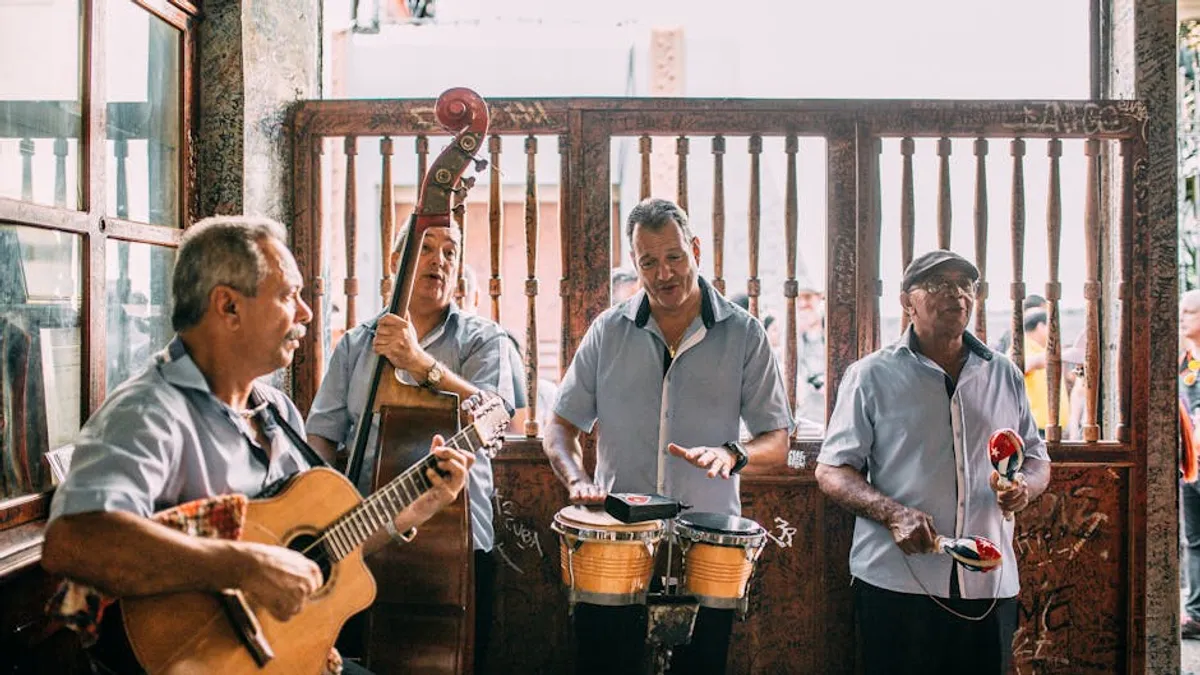
Distinguishing features: Often considered the foundation of salsa, Son Cubano is characterized by its call-and-response vocals, tres guitar, bass, bongos, maracas, and clave rhythm. It's typically slower and more melodic than modern salsa.
Experience it: Look for traditional groups in Havana's old town or Santiago de Cuba. Many smaller, local establishments feature Son ensembles, offering a glimpse into Cuba's musical past. The Buena Vista Social Club, while commercialized, popularized this genre globally and still has a presence in Havana.
Salsa and Timba
Distinguishing features: Salsa, while having broad Latin American roots, is deeply ingrained in Cuban culture. Cuban salsa is often referred to as "Casino" and is danced in circular patterns. Timba is a more aggressive, complex, and contemporary evolution of salsa, incorporating elements of funk, jazz, and traditional Cuban rhythms, with intricate bass lines and dynamic arrangements.
Experience it: Casas de la Música are prime venues for both salsa and timba, featuring popular bands that often lead to lively dancing. Nightclubs and larger dance halls across major cities will also showcase these high-energy styles.
Rumba
Distinguishing features: Rumba is a secular Afro-Cuban genre involving drumming, singing, and dancing, often performed in street settings or community gatherings. It's less about structured performance and more about spontaneous expression, characterized by three conga drums, clave, and a lead singer with a chorus.
Experience it: Rumba is best found in local neighborhoods, particularly in Havana (e.g., Callejon de Hamel on Sundays) and Matanzas. These are often impromptu or community-organized events, offering a raw, authentic cultural immersion.
Trova
Distinguishing features: Trova is a lyrical, acoustic, singer-songwriter tradition, often with poetic and socially conscious themes. It's characterized by a solo vocalist accompanying themselves on guitar.
Experience it: Seek out smaller cafes, cultural centers, or "peñas" (gatherings) where troubadours perform. Santiago de Cuba is historically a stronghold of trova, but Havana also hosts venues dedicated to this intimate style.
Cuban Jazz
Distinguishing features: Cuban jazz blends traditional jazz improvisation with Afro-Cuban rhythms and melodies, creating a unique, sophisticated sound. It's known for its complexity, polyrhythms, and often fiery solos.
Experience it: Havana boasts a vibrant jazz scene, with venues like La Zorra y el Cuervo and Jazz Café offering nightly performances by acclaimed musicians. The Havana Jazz Festival, typically held in January, attracts international talent and local legends.
Where to Find Live Music in Cuba
The type of venue often dictates the musical experience. Understanding these options helps travelers align their expectations with the atmosphere.
- Casas de la Música: These are official, state-run music venues found in most major cities. They consistently feature popular bands playing salsa, timba, and son. They are generally tourist-friendly, with good sound systems and dance floors, though often with an entrance fee.
- Paladares and Restaurants: Many private restaurants (paladares) and state-run eateries feature small live bands, particularly during dinner service. These performances are often more intimate, offering background music rather than a dedicated show.
- Cultural Centers and Community Houses: Less commercial than Casas de la Música, these venues host a variety of cultural events, including music. They are excellent for experiencing local talent and traditional forms like rumba or trova, often with lower entry costs or free admission.
- Street Performances: Especially in Old Havana and other historic centers, musicians often perform in squares, along pedestrian streets, or outside bars. These impromptu performances are a staple of Cuban street life and offer a casual way to encounter music.
- Hotels and Resorts: Larger hotels and resorts frequently have house bands or scheduled performances, particularly in their lobbies or entertainment areas. While convenient, these are often tailored for international guests and may lack the raw authenticity of local venues.
Pro Tip: When seeking authentic musical experiences, prioritize venues where locals also gather. While tourist-focused venues offer convenience and well-known acts, smaller, community-oriented spots often provide a deeper, more genuine connection to Cuban musical traditions and emerging artists. Always confirm performance times and any cover charges in advance.
Practical Considerations for Travelers
Maximizing your musical journey in Cuba involves more than just finding a venue; it requires an awareness of local customs and practicalities.
Tipping Etiquette
Musicians often rely on tips (propina) as a significant part of their income. A small contribution, whether after a street performance or during a set in a restaurant, is always appreciated. For dedicated shows with an entrance fee, tipping individual musicians at the end of their set is customary if you particularly enjoyed their performance.
Safety and Logistics
Most music venues, especially official ones, are safe. However, like any crowded place, be mindful of your belongings. Transportation late at night can be arranged via official taxis or private cars (particulares). Confirm prices before starting your journey. For popular shows, consider arriving early or making reservations, especially on weekends.
Engaging with Musicians
Cuban musicians are often approachable and enjoy interacting with visitors. Learning a few basic Spanish phrases can open doors to richer conversations and insights into their craft. If you're a musician yourself, bringing a small instrument like a harmonica or a set of claves might even lead to an impromptu jam session, though always be respectful and read the room.
Maximizing Your Musical Journey
Engaging with Cuban music offers a profound connection to the island's soul. By understanding the diverse genres and knowing where to seek them out, travelers can move beyond passive listening to active participation. Each performance, from a spontaneous street rumba to a polished jazz club act, tells a story of cultural resilience and artistic passion. Embrace the opportunity to dance, listen, and connect, allowing the rhythms of Cuba to guide your exploration.
Frequently Asked Questions
Q: Is it necessary to book tickets in advance for music venues?
A: For popular venues like Casas de la Música, especially on weekends or for renowned bands, booking in advance or arriving early is advisable. Smaller paladares or street performances generally do not require bookings.
Q: What is the typical cost for live music?
A: Entrance fees for Casas de la Música can range from 10 to 25 CUC (or equivalent in local currency), often including a drink. Many restaurants offer free live music, expecting patrons to order food and drinks. Street performances rely on tips.
Q: Can I buy authentic Cuban music to take home?
A: Many bands sell their CDs directly at venues after performances. This is an excellent way to support the artists and acquire authentic recordings. You may also find music in state-run shops, though direct purchases from musicians are often preferred.
Q: Are there opportunities to learn Cuban dance?
A: Yes, many private dance schools and individual instructors offer salsa (Casino) lessons, often catering to travelers. Inquire at your accommodation or through local cultural centers for recommendations. Some Casas de la Música also offer pre-show dance lessons.