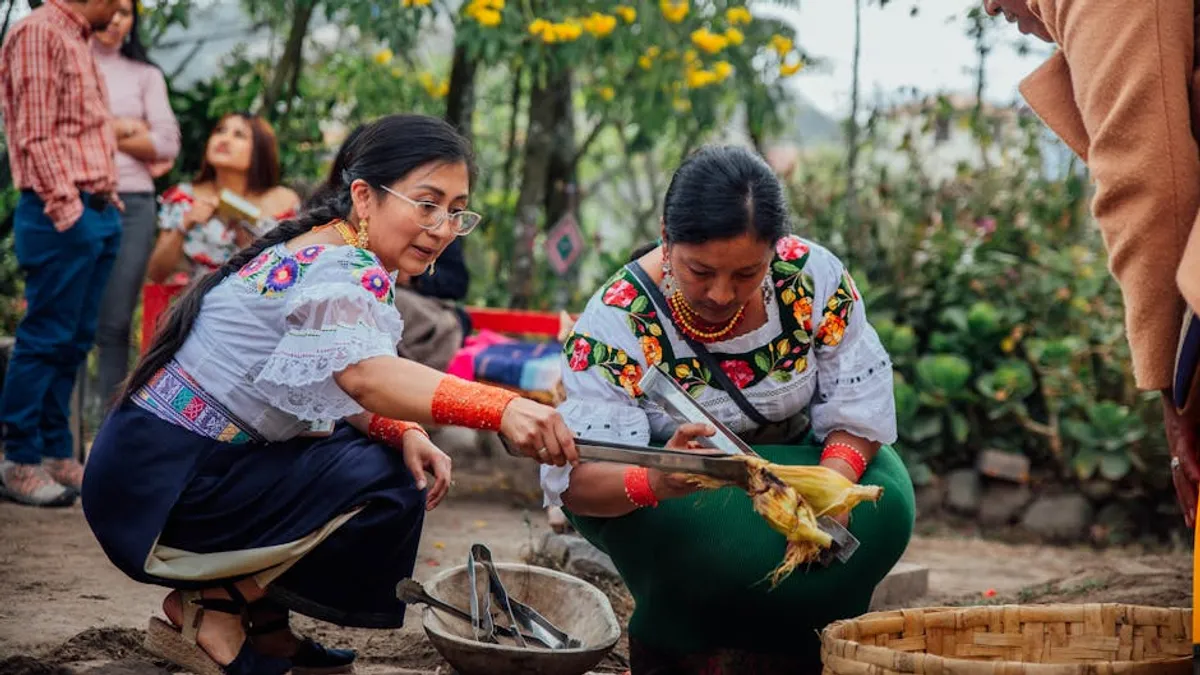
Ecuador’s culinary landscape offers a rich, diverse experience that deeply reflects its geography, from the Pacific coast to the Andean highlands and the Amazon basin. For travelers, navigating this array of traditional dishes provides an essential pathway to understanding the country's culture and people. This guide focuses on identifying and appreciating authentic Ecuadorian cuisine, enabling visitors to move beyond generic tourist fare and engage directly with local flavors and culinary traditions.
Regional Culinary Foundations
Ecuador’s food culture is distinctly regional, shaped by the availability of ingredients and historical influences. The coast relies heavily on seafood, plantains, and tropical fruits, often prepared with a lighter touch. The Andean sierra emphasizes hearty staples like potatoes, corn, and various meats, resulting in rich stews and roasted dishes. The Amazon, while less accessible to most travelers, offers unique ingredients such as river fish and exotic jungle fruits. Understanding these broad divisions helps travelers anticipate what to expect on menus and where certain dishes originate.
Coastal Delights: Seafood and Plantains
The Ecuadorian coast is synonymous with fresh seafood and versatile plantains, which appear in almost every meal. These dishes are characterized by their vibrant flavors and often feature lime, cilantro, and onion.
- Ceviche: Unlike its Peruvian counterpart, Ecuadorian ceviche often includes tomato sauce and is usually served with popcorn, toasted corn (canguil), or chifles (plantain chips). Varieties include ceviche de camarón (shrimp), ceviche de pescado (fish), and less commonly, ceviche de concha (black clam).
- Encebollado: Considered Ecuador's national dish, this hearty fish stew is made with albacore tuna, yuca, pickled red onions, and cilantro. It is a popular breakfast or hangover cure, known for its restorative qualities and robust flavor.
- Patacones and Maduros: Green plantains (patacones) are fried, smashed, and refried to a crispy texture, often served as a side with main courses. Ripe plantains (maduros) are sweeter and typically fried or baked, appearing as a side or in dishes like tigrillo (mashed plantain with cheese and egg).
- Corviche: A coastal specialty, this is a deep-fried fritter made from green plantain and filled with a seasoned fish mixture, typically tuna or shrimp. It offers a satisfying texture contrast between its crispy exterior and soft, savory interior.
Andean Highlands: Hearty Staples and Soups
In the cool climate of the Andes, meals are substantial and warming, with potatoes, corn, and pork forming the backbone of many traditional dishes. Soups are particularly prominent, serving as a main course due to their density and nutritional value.
- Locro de Papa: A signature Andean potato soup, often enriched with cheese, avocado, and sometimes served with a hard-boiled egg. Its creamy texture and savory depth make it a comforting meal.
- Fritada: This dish features pan-fried pork, often cooked in its own fat until tender and crispy. It is typically accompanied by mote (hominy), llapingachos (potato patties), and fried plantains.
- Hornado: A slow-roasted whole pig, marinated with spices and herbs, resulting in incredibly tender and flavorful meat with crispy skin. It is a celebratory dish, commonly found in markets and special occasions.
- Llapingachos: Pan-fried potato patties, often stuffed with cheese. These are a common side dish in the highlands, particularly with fritada or hornado, offering a rich, starchy complement.
- Empanadas de Viento: Light, airy fried empanadas filled with cheese and often dusted with sugar. They are a popular snack, providing a balance of savory and sweet.
Pro Tip: When seeking authentic Ecuadorian food, prioritize establishments known as 'huecas' or 'comedores'. These are often small, family-run eateries that specialize in traditional dishes at affordable prices. Look for places bustling with local diners, as this usually indicates fresh ingredients and genuine culinary practices. However, always exercise caution regarding food hygiene, especially with street vendors.
Amazonian Flavors: Unique Ingredients
The Amazon region presents a distinct culinary profile, utilizing ingredients less common elsewhere in the country. While less accessible for casual dining, some dishes are available in larger cities.
- Maito: River fish (like tilapia or cachama) wrapped in bijao leaves and grilled or steamed. This method imparts a unique, earthy flavor to the fish, often served with yuca and plantains.
- Exotic Fruits: The Amazon is a source of unique fruits such as pitahaya (dragon fruit), maracuyá (passion fruit), taxo, and naranjilla, which are commonly used in fresh juices.
Street Food and Snacks: Quick Bites
Ecuadorian street food offers convenient and flavorful options for travelers on the go, ranging from savory to sweet.
- Bolones de Verde: Mashed green plantain balls, often mixed with cheese or chicharrón (fried pork belly), then fried or baked. A popular breakfast item.
- Espumillas: A meringue-like dessert made from egg whites, sugar, and fruit pulp (often guayaba or mora), whipped into a frothy, cloud-like consistency and served in a cone.
Navigating Ecuadorian Menus
Understanding the basics of Ecuadorian cuisine allows travelers to confidently order and explore. Many restaurants offer a "menú del día" or "almuerzo" (lunch special), which typically includes a soup, a main course, and a drink, providing an excellent and economical way to sample local fare. When ordering, don't hesitate to ask about ingredients if you have dietary restrictions or preferences. Most kitchens are accustomed to slight modifications, especially regarding spice levels, as Ecuadorian food is generally not very spicy.
Frequently Asked Questions
What are the absolute must-try dishes in Ecuador for a first-time visitor?
For a comprehensive experience, try Encebollado (coast), Locro de Papa (Andes), and any form of fresh Ceviche. These dishes represent the core regional flavors and are widely available.
Is Ecuadorian food generally spicy?
No, traditional Ecuadorian cuisine is not typically spicy. Most dishes are mild, relying on herbs and savory bases for flavor. If you prefer heat, aji (a chili sauce) is almost always served on the side, allowing you to add spice to your preference.
How can I find authentic local restaurants?
Look for 'huecas' or 'comedores' that are busy with local patrons, especially during lunch hours. Ask hotel staff or locals for recommendations, specifying that you are looking for traditional, non-touristy options. Markets are also excellent places to find authentic food stalls.
Are vegetarian options readily available in Ecuador?
While meat and fish are central to many traditional dishes, vegetarian options can be found. Locro de Papa is often vegetarian, and many places offer vegetable soups or salads. You can also request dishes like rice, beans, plantains, and eggs. Always specify "sin carne" (without meat) or "sin pollo" (without chicken).