Havana’s cultural landscape offers a distinct experience, moving beyond typical tourist narratives to reveal a city deeply rooted in its music, culinary traditions, and daily social rhythms. This guide outlines key facets of Havana’s authentic cultural identity, providing actionable insights for those looking to engage with the city on a deeper, more informed level. Understanding these elements is crucial for anyone aiming to appreciate or articulate the unique value proposition of a Havana experience, whether for personal enrichment or commercial representation.
The Rhythms of Havana: An Auditory Journey
Havana pulsates with a musical energy that is both historical and contemporary, serving as a core component of its cultural identity. The city’s soundscape is dominated by specific genres, each with its own venues and engagement styles. Recognizing these distinctions allows for targeted exploration and a more profound understanding of local life.
Live Music Venues: Where to Find Authentic Sounds
Authentic Cuban music is best experienced live, often in intimate settings that foster direct interaction between musicians and audience. These venues are not merely performance spaces; they are social hubs where locals gather, dance, and connect. Prioritizing venues known for specific genres ensures a more focused cultural immersion.
- Casa de la Música (Galiano or Miramar): Known for popular salsa, timba, and reggaeton acts, often featuring well-known Cuban bands. These locations cater to dancing and a high-energy atmosphere, making them suitable for those seeking a lively, contemporary Cuban club experience.
- El Floridita: While famous for its daiquiris and Hemingway connection, it also hosts traditional Cuban music groups playing son cubano and bolero. The focus here is on classic, often acoustic, ensembles providing a backdrop for conversation and enjoying cocktails.
- La Zorra y el Cuervo: A basement jazz club offering a more specialized auditory experience. It consistently features high-caliber Cuban jazz musicians, appealing to those interested in the improvisational and sophisticated side of Havana’s music scene.
- Callejón de Hamel: An open-air cultural project on Sundays, featuring rumba performances and Afro-Cuban religious ceremonies. This offers a raw, community-driven musical and spiritual experience, distinct from formal venues.
Dance and Participation: Beyond Observation
Music in Havana is inherently participatory. Observing is one aspect; engaging is another. Many venues offer opportunities for visitors to join in, whether through formal dance lessons or simply by stepping onto the dance floor. This active engagement deepens the cultural experience, moving beyond passive consumption to direct interaction with local customs.
Savoring Havana: A Culinary Exploration
Havana’s food scene is a reflection of its history and resourcefulness, characterized by distinct dining formats and traditional flavors. Understanding the nuances between these options is key to navigating the city’s gastronomic offerings effectively and experiencing authentic Cuban cuisine.
Paladares vs. State Restaurants: Navigating the Dining Scene
The distinction between paladares (private, family-run restaurants) and state-operated establishments is fundamental to Havana's dining landscape. Paladares typically offer a more personalized service and often feature innovative interpretations of traditional dishes, leveraging fresh, locally sourced ingredients. State restaurants, while historically prevalent, often adhere to more standardized menus and service models.
Best for authentic flavors: Paladares, due to their independent ownership, generally prioritize unique recipes and a more intimate dining atmosphere. They frequently showcase distinct regional Cuban cooking styles and provide opportunities to interact directly with local chefs and owners.
Street Food and Markets: Essential Tastes
Beyond formal dining, Havana’s street food and local markets provide an immediate connection to daily life and traditional flavors. These informal settings are crucial for understanding the economic and social fabric of the city, offering affordable and authentic culinary experiences.
Engaging with Local Life: Beyond the PostcardTrue cultural immersion in Havana extends beyond structured activities, encompassing daily interactions and exploration of less-trafficked neighborhoods. This involves understanding local customs, communication styles, and the social dynamics that define the city.
Neighborhood Exploration: Beyond Old Havana
While Old Havana (Habana Vieja) offers historical depth, exploring other districts provides a broader perspective on contemporary Cuban life. Neighborhoods like Vedado, Miramar, and Centro Habana each possess distinct characteristics:
- Vedado: Known for its tree-lined streets, Art Deco architecture, and vibrant nightlife. It hosts many paladares, cultural centers, and the iconic Malecón, offering a blend of residential and commercial activity.
- Miramar: A more affluent, suburban area characterized by grand mansions, foreign embassies, and upscale restaurants. It offers a glimpse into a different socio-economic stratum of Havana.
- Centro Habana: The bustling, densely populated heart of the city, characterized by its lively street scenes, colonial buildings in various states of repair, and proximity to local markets and shops. It offers a raw, unfiltered view of daily Cuban life.
Walking through these areas, observing daily routines, and frequenting local shops or parks allows for incidental cultural encounters that are often more revealing than planned tourist attractions.
Daily Interactions: Etiquette and Connection
Effective engagement with locals requires an awareness of Cuban social etiquette. Politeness, a willingness to attempt Spanish, and an open demeanor facilitate positive interactions. Simple greetings like "Hola" and "Buenos días/tardes" are appreciated. Cubans are generally warm and hospitable, and showing genuine interest in their culture is often reciprocated with kindness and conversation.
Practicalities for Cultural Immersion
Successful cultural immersion also relies on practical considerations that facilitate movement and communication within Havana. Addressing these elements proactively enhances the overall experience.
Language and Communication Tips
While some Cubans in tourist-heavy areas may speak English, basic Spanish is invaluable for deeper cultural engagement. Learning key phrases for greetings, ordering food, asking for directions, and expressing appreciation significantly improves interactions. Communication apps with offline translation capabilities can also be useful in areas with limited internet access.
Navigating Transportation and Connectivity
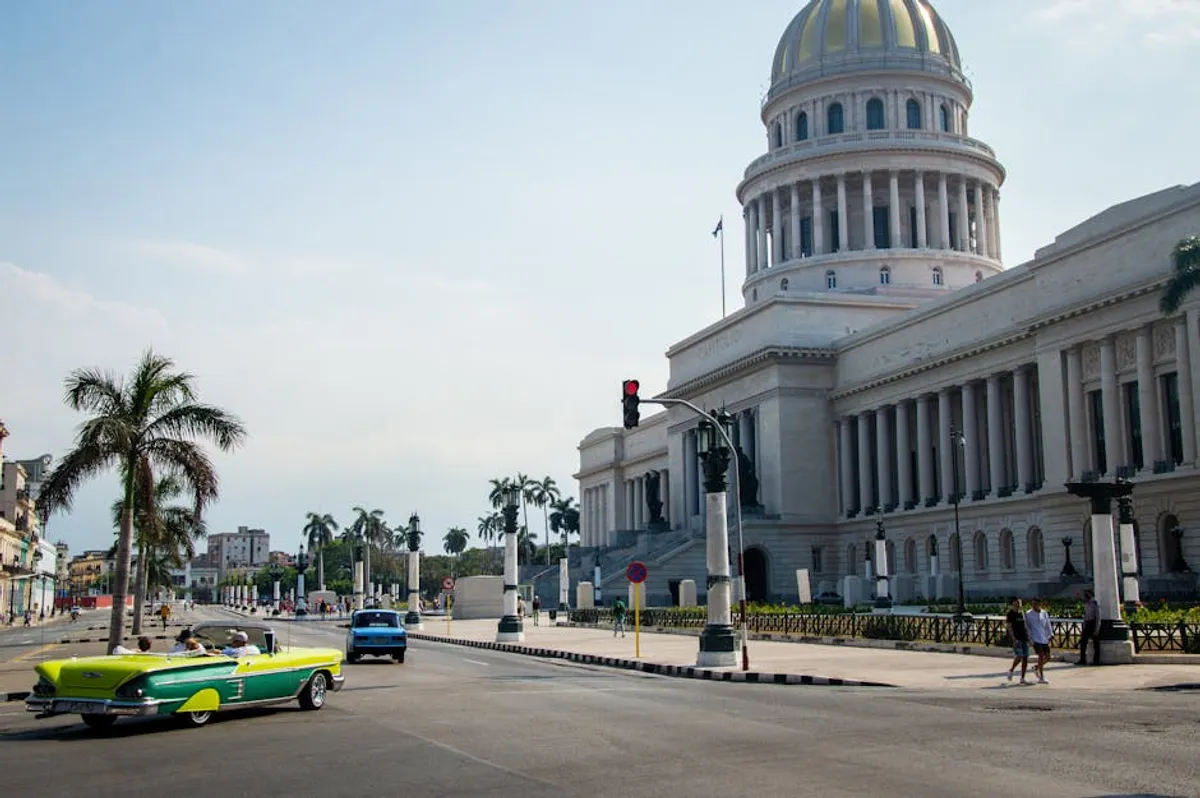
Transportation in Havana varies from classic American cars (almendrones) operating as shared taxis to state-run buses and private taxis. Understanding how these systems work, including typical fares and routes, is crucial for independent exploration. Internet access is available through Wi-Fi hotspots, often in public parks or hotels, requiring the purchase of ETECSA cards. Managing expectations regarding connectivity is important for a smooth experience.
Integrating Authenticity into Your Havana Trip
To truly experience Havana's culture, move beyond curated tours and embrace independent exploration. Prioritize interactions with locals, seek out non-touristy venues, and remain open to spontaneity. The city reveals its deepest character to those who approach it with curiosity and respect for its unique rhythms and traditions. This intentional approach yields a more profound and memorable cultural engagement, moving past superficial observations to genuine connection.
Frequently Asked Questions
What is the best way to find authentic live music in Havana?
Focus on venues like Casa de la Música for popular genres or La Zorra y el Cuervo for jazz. For a more grassroots experience, visit Callejón de Hamel on a Sunday. Look for local listings or ask residents for current recommendations.
How do paladares differ significantly from state-run restaurants?
Paladares are privately owned and operated, offering more diverse menus, often with unique family recipes and a personalized atmosphere. State restaurants are government-run, typically featuring more standardized dishes and service.
Is it necessary to speak Spanish to engage with local culture?
While not strictly necessary, knowing basic Spanish phrases greatly enhances interactions with locals and opens up more opportunities for authentic cultural exchange. Many Cubans appreciate the effort to communicate in their language.
What are the best neighborhoods to explore beyond Old Havana for local life?
Vedado offers a blend of residential charm, Art Deco architecture, and nightlife. Centro Habana provides a bustling, unfiltered view of daily urban life, while Miramar showcases a more affluent, suburban side of the city.