Havana, Cuba, presents a unique travel experience, distinct from many other Caribbean or Latin American destinations. For first-time visitors, understanding these distinctions before arrival is crucial for a smooth and enjoyable trip. This guide outlines the essential practicalities and cultural nuances to consider, from navigating currency and connectivity to choosing accommodation and understanding local customs, ensuring you maximize your time in this historic city without unnecessary complications. The goal is to equip you with actionable information, allowing for informed decisions that shape your personal Havana adventure.
Essential Pre-Trip Planning
Visa and Entry Formalities
All non-Cuban citizens require a tourist card (visa) to enter Cuba, regardless of their country of origin, unless they are from a visa-exempt nation. This card is typically valid for 30 days and can be extended once for an additional 30 days while in Cuba. Obtaining it prior to departure is mandatory. Airlines often offer them for purchase at check-in desks, or you can acquire one through your tour operator, an embassy, or a specialized visa service. Ensure your passport is valid for at least six months beyond your planned departure date. Additionally, proof of medical insurance covering emergency medical expenses in Cuba is a strict requirement for entry; customs officials may request to see this documentation upon arrival.
Understanding Cuban Currency
Cuba operates with two primary currencies: the Cuban Peso (CUP), also known as the moneda nacional, and previously the Cuban Convertible Peso (CUC), which was phased out in 2021. All transactions are now conducted in CUP. However, many tourist-oriented businesses, including some hotels and restaurants, prefer or require payment in foreign currencies such as USD, EUR, or CAD, often at an unfavorable exchange rate. Cash is king in Cuba due to limited card acceptance and unreliable ATM functionality. It is advisable to bring a sufficient amount of a major foreign currency (Euros are often preferred over USD due to historical exchange rates and U.S. embargo complexities) to exchange into CUP for smaller purchases and local services. Be aware that ATMs are scarce and often run out of cash, and credit/debit cards issued by U.S. banks or affiliated with U.S. financial institutions will not work.
Pro Tip: When exchanging currency, avoid unofficial street vendors. Use official Cadecas (exchange houses) or bank branches. Always count your change carefully and familiarize yourself with the denominations of CUP banknotes to prevent confusion.
Navigating Havana
Accommodation Options
Havana offers two main types of accommodation: state-run hotels and private guesthouses known as casas particulares.
- Hotels: Ranging from historic colonial buildings in Old Havana to modern high-rises in Vedado, hotels provide amenities such as air conditioning, private bathrooms, and sometimes pools or internet access. They are generally more expensive and often bookable online through international travel agencies.
- Casas Particulares: These are private homes where rooms are rented out to tourists. They offer a more authentic cultural experience, often including home-cooked meals and direct interaction with Cuban families. Prices are typically lower than hotels, and they provide an opportunity to support local residents directly. Look for the distinctive blue triangle logo (or red for private restaurants) on the door, indicating they are licensed to host tourists.
Best for:
- Hotels: Travelers prioritizing predictable service, international standards, and amenities.
- Casas Particulares: Those seeking cultural immersion, local insights, and budget-friendly options.
Local Transportation
Getting around Havana involves a mix of options, each with its own characteristics:
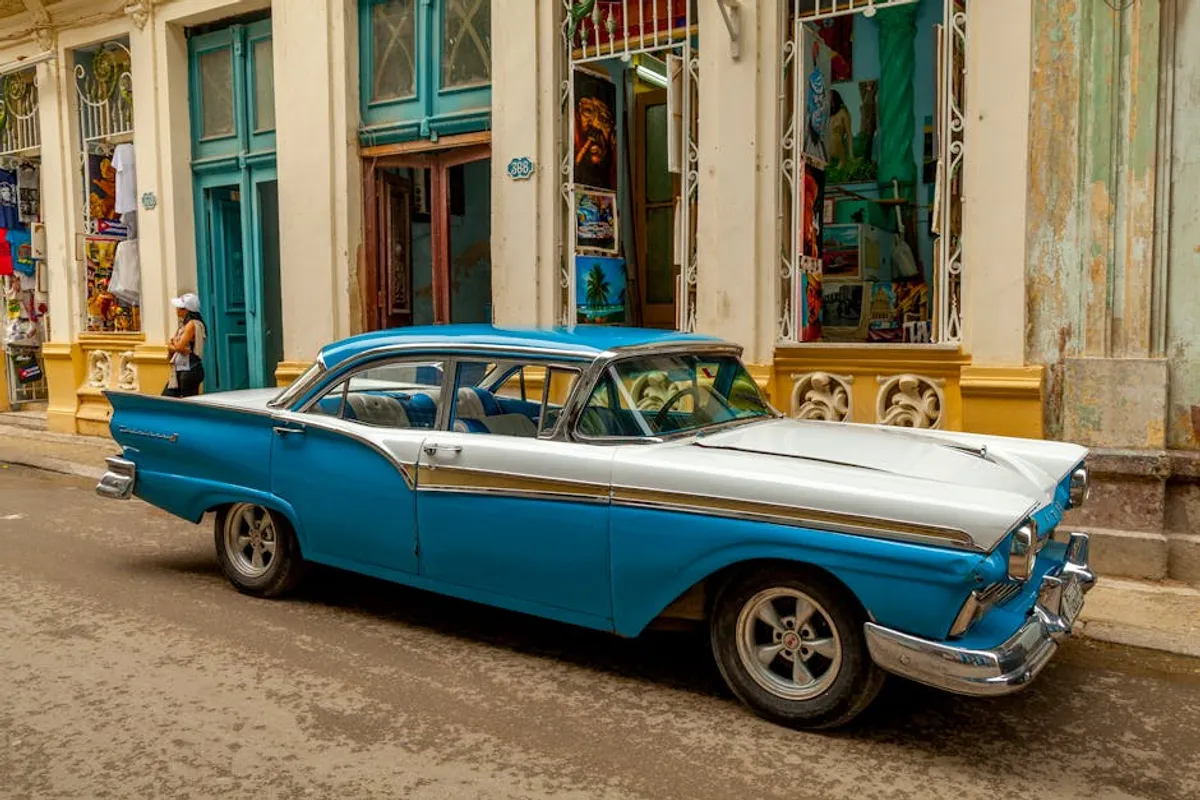
- Taxis: Official state taxis are yellow, metered (though meters are rarely used), and generally reliable. Negotiate the fare before starting your journey. Classic American cars (almendrones) also operate as taxis; these are often shared routes for locals but can be hired privately. Again, agree on the price beforehand.
- Buses (Guaguas): The public bus system is extensive but often overcrowded, confusing for non-Spanish speakers, and lacks clear route maps for tourists. It is not recommended for first-time visitors for general sightseeing.
- Walking: Old Havana is best explored on foot, as many streets are pedestrianized or too narrow for vehicles. This allows for discovery of hidden plazas and architectural details.
Considerations: For longer distances or late-night travel, taxis offer the most convenience and safety. For short distances within Old Havana, walking is the most immersive and practical choice.
Experiencing Havana's Culture
Dining and Drinks
Cuban cuisine is characterized by its blend of Spanish, African, and Caribbean influences.
- Paladares: These are privately owned restaurants, often operating out of converted homes, offering a higher quality and more diverse menu than state-run establishments. They are generally considered the best places to experience authentic Cuban food, from Ropa Vieja (shredded beef) to fresh seafood.
- State Restaurants: While historically common, their quality and service can be inconsistent.
- Street Food: Look for peso pizzas, fresh fruit, and churros from street vendors for quick, inexpensive bites.
Drinks: Cuba is renowned for its rum. Sample classic cocktails like the Mojito, Daiquiri, and Cuba Libre at historic bars such as El Floridita or La Bodeguita del Medio. Bottled water is essential for hydration; tap water is not safe for drinking.
Key Districts and Sights
Havana's primary attractions are concentrated in a few distinct areas:
- Old Havana (Habana Vieja): A UNESCO World Heritage site, it features colonial architecture, cobblestone streets, and iconic squares like Plaza Vieja, Plaza de la Catedral, and Plaza de Armas. Key landmarks include the Capitolio Nacional, Gran Teatro de La Habana, and the Malecon promenade.
- Vedado: Known for its tree-lined avenues, Art Deco buildings, and the Hotel Nacional de Cuba. This district offers a glimpse into Havana's more modern, yet still historic, side.
- Centro Habana: Bridging Old Havana and Vedado, this area is bustling and less polished, offering a more raw, everyday view of Cuban life. It's home to the Paseo del Prado and the Chinese Quarter.
Connectivity and Communication
Internet access in Cuba is limited and often slow. Wi-Fi is primarily available at designated ETECSA (the state telecom company) hotspots in public parks and some hotels. To connect, you need to purchase an ETECSA scratch card with a username and password. These cards are sold at ETECSA offices and sometimes by unofficial vendors (at a markup). Consider purchasing a local SIM card if you require more consistent connectivity, though coverage and data speeds can still be variable outside major city centers. International roaming can be expensive and unreliable.
Practical Advice for a Smooth Trip
Safety and Health Considerations
Havana is generally a safe city for tourists, but standard precautions apply. Be aware of pickpockets in crowded areas and avoid walking alone in poorly lit streets at night. It is advisable to carry only essential documents and a limited amount of cash. Regarding health, ensure you have comprehensive travel insurance. Drink only bottled or purified water. Pack basic medications, as specific brands may be unavailable. Sun protection (hat, sunscreen) is crucial due to the intense tropical sun.
Cultural Sensitivities
Cuban culture is vibrant and welcoming. A few points on etiquette:
- Tipping: Tipping is appreciated for good service in restaurants, bars, and for taxi drivers. Small gifts like toiletries or school supplies can also be valued by locals.
- Photography: Always ask permission before photographing individuals, especially children. Be respectful of people's privacy.
- Interactions: Cubans are generally friendly and open. Basic Spanish phrases will enhance your interactions, but many in the tourism sector speak English.
Preparing for a Memorable Visit
A successful first trip to Havana hinges on thorough preparation and an open mind. Expect a destination where infrastructure can be unpredictable and modern conveniences are often limited. Embrace the opportunity to disconnect, engage with locals, and immerse yourself in a culture rich in history, music, and resilience. By understanding the practicalities of currency, transportation, and communication, and by approaching cultural differences with respect, you will be well-equipped to navigate Havana and create lasting memories that go beyond typical tourist experiences. Allow for flexibility in your plans, as unexpected detours often lead to the most authentic discoveries.
Frequently Asked Questions
Is it safe to drink tap water in Havana?
No, tap water in Havana is not safe for consumption by tourists. Always drink bottled or purified water to avoid health issues.
Do I need to speak Spanish to visit Havana?
While basic Spanish phrases are helpful and appreciated, many people in the tourism sector, including hotel staff and tour guides, speak English. Learning a few common phrases will enhance your experience.
Can I use my credit card in Cuba?
Credit and debit cards issued by U.S. banks or those affiliated with U.S. financial institutions will not work in Cuba. For other international cards, acceptance is limited, primarily to larger hotels and some restaurants. It is highly recommended to bring sufficient cash in a major foreign currency (Euros are often preferred).
What is the best way to get internet access?
Internet access is primarily available via Wi-Fi hotspots in public parks and some hotels. You need to purchase an ETECSA scratch card for access. Consider a local SIM card for more consistent, though still variable, connectivity.