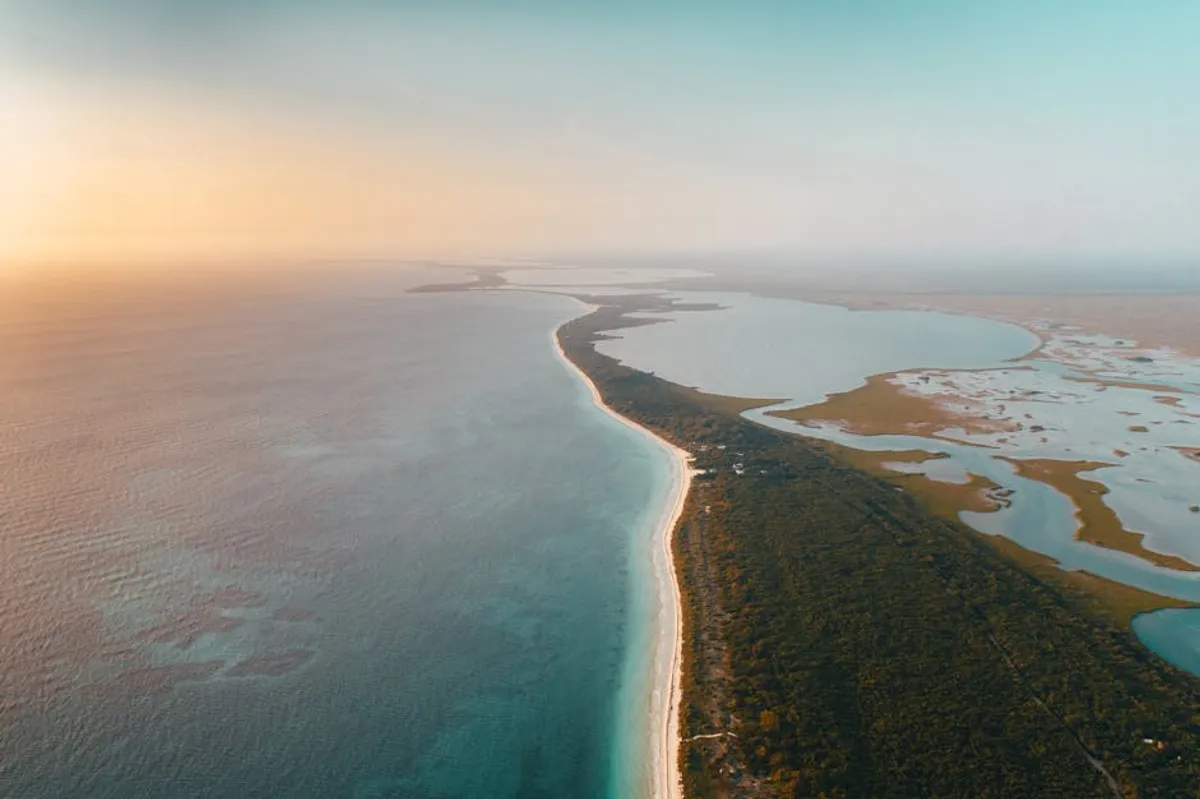
Visiting Holbox, Mexico, offers a distinct experience from the Yucatán Peninsula's more developed tourist hubs. This car-free island, located within the Yum Balam Nature Reserve, appeals to travelers seeking a relaxed pace, rich biodiversity, and an escape from mass tourism. Before committing to a trip, understanding Holbox's unique infrastructure, environmental considerations, and logistical nuances is crucial for a smooth and enjoyable visit. The island’s charm lies in its unpaved roads, golf cart transportation, and focus on natural attractions like whale sharks and bioluminescence, requiring a different preparation mindset than a typical resort destination.
Understanding Holbox's Unique Appeal
Holbox distinguishes itself through its commitment to preserving a tranquil, natural environment. Unlike the bustling energy of Cancun or Playa del Carmen, Holbox operates on a slower rhythm, where the primary modes of transport are golf carts, bicycles, and walking. This deliberate lack of extensive infrastructure supports its designation as a protected natural area, influencing everything from accommodation options to dining experiences.
Isla Holbox vs. Mainland Mexico
The fundamental difference lies in scale and development. Mainland destinations often feature large resorts, extensive road networks, and a wide array of international chain businesses. Holbox, by contrast, maintains a village-like atmosphere with boutique hotels, local eateries, and a strong emphasis on eco-tourism. The island's unpaved sandy streets mean a different kind of mobility, and its protected status limits large-scale construction, preserving its natural landscapes and wildlife habitats.
Primary Attractions and Activities
Holbox’s allure stems from its natural offerings. Key attractions include:
- Whale Shark Tours: From May to September, visitors can swim with these gentle giants, a strictly regulated activity focused on conservation.
- Bioluminescence Tours: On moonless nights, the waters around Holbox illuminate with microscopic organisms, creating a magical glow.
- Birdwatching: The island is home to over 150 species of birds, including flamingos, pelicans, and cormorants, particularly visible in the lagoons and mangroves.
- Isla Pasión and Punta Mosquito: These nearby islets offer pristine beaches, shallow waters, and excellent opportunities for relaxation and wildlife spotting.
- Kitesurfing: Consistent winds make Holbox a popular spot for kitesurfing, with several schools offering lessons.
Essential Pre-Trip Logistics
Careful planning for arrival, accommodation, and timing significantly enhances the Holbox experience, mitigating potential inconveniences inherent to island travel.
Getting There: Transportation Options
Access to Holbox is exclusively via ferry from the small port town of Chiquilá. From Cancun International Airport (CUN), options include:
- ADO Bus: The most economical choice, offering direct routes to Chiquilá. Travel time is approximately 2.5 to 3 hours.
- Private Transfer: Faster and more convenient, especially for groups, with pre-booked services taking around 2 hours.
- Rental Car: While possible, cars must be left in paid parking lots in Chiquilá, as vehicles are not permitted on Holbox.
The ferry ride itself is about 20-30 minutes, with regular departures throughout the day.
Accommodation: Types and Booking
Holbox offers a range of lodging, from rustic eco-cabanas to upscale boutique hotels. Options are generally smaller and more intimate than those found in larger resort areas. Given the island's popularity and limited capacity, booking accommodation well in advance, especially during peak season (December-April and July-August), is essential to secure preferred options and rates.
Best Time to Visit: Weather and Wildlife
The optimal time to visit depends on priorities:
- Dry Season (November to April): Characterized by pleasant temperatures, lower humidity, and minimal rainfall. Ideal for general beach activities and exploring.
- Whale Shark Season (May to September): Coincides with warmer, wetter weather. This period is crucial for those specifically aiming to experience whale shark tours.
- Hurricane Season (June to November): While tropical storms are possible, they are not constant. Travel during this time can offer lower prices but carries a higher risk of weather disruptions.
Navigating Your Stay
Once on Holbox, understanding local practices regarding money, communication, and safety contributes to a stress-free visit.
Local Currency and Payments
The official currency is the Mexican Peso (MXN). While some establishments accept credit cards, many smaller businesses, tour operators, and restaurants operate on a cash-only basis. ATMs on the island can be unreliable, frequently run out of cash, or charge high fees. It is advisable to arrive with a sufficient amount of Pesos or withdraw cash at major banks before reaching Chiquilá.
Pro Tip: Always carry a substantial amount of Mexican Pesos in small denominations. ATMs on Holbox are few and often out of service, making cash king for tours, local eateries, and incidental purchases.
Connectivity and Communication
Wi-Fi is available at most hotels and many restaurants, but service quality can be inconsistent and slower than mainland standards. For reliable connectivity, consider purchasing a local SIM card upon arrival in Mexico, which can provide better data coverage for navigation and communication.
Health and Safety Considerations
Holbox is generally safe, but standard travel precautions apply. Mosquitoes are prevalent, especially during the wetter months and around dawn/dusk; strong repellent is a necessity. Sun protection (hats, sunscreen, sunglasses) is critical due to the intense tropical sun. While basic medical services are available, for serious emergencies, evacuation to mainland hospitals may be required. Drinking bottled water is universally recommended.
Responsible Tourism on Holbox
As a protected natural reserve, Holbox thrives on sustainable tourism. Visitors play a direct role in preserving its delicate ecosystem and supporting its local community.
Environmental Impact and Conservation
Visitors are encouraged to minimize their environmental footprint. This includes:
- Using reef-safe, biodegradable sunscreen.
- Reducing plastic waste by using reusable water bottles and bags.
- Respecting wildlife by maintaining distance and never touching or feeding animals.
- Participating in tours that adhere to strict conservation guidelines, particularly for whale shark encounters.
Supporting Local Economy
Engaging with local businesses directly benefits the island's residents. Opt for locally owned restaurants, shops, and tour operators. This approach ensures that tourism revenue circulates within the community, supporting livelihoods and preserving the island's authentic character.
Practical Considerations for Your Holbox Trip
Preparing for Holbox means embracing its rustic charm and understanding its limitations. Pack light, bring comfortable walking shoes or sandals for sandy streets, and prioritize essentials like insect repellent and cash. Flexibility and an appreciation for a slower pace are key to fully enjoying the island's unique atmosphere. By arriving informed and prepared, visitors can immerse themselves in the natural beauty and laid-back culture that define Holbox, ensuring a memorable and responsible travel experience.
Frequently Asked Questions About Holbox
Is Holbox expensive?
Compared to mainland resort areas, Holbox can be moderately priced. Accommodation and tours can be significant expenses, but local food and transport are generally affordable. Bringing cash can help manage costs.
How do I get around Holbox?
The primary modes of transport are golf carts (available for rent or as taxis), bicycles, and walking. The island is small enough to explore much of it on foot or by bike.
What are the must-do activities?
Swimming with whale sharks (seasonal), bioluminescence tours, birdwatching, relaxing on the pristine beaches, and exploring Isla Pasión are among the most popular and recommended activities.
Do I need to speak Spanish?
While many locals in tourist-facing roles speak some English, knowing basic Spanish phrases is beneficial and appreciated, enhancing interactions and making daily transactions smoother.