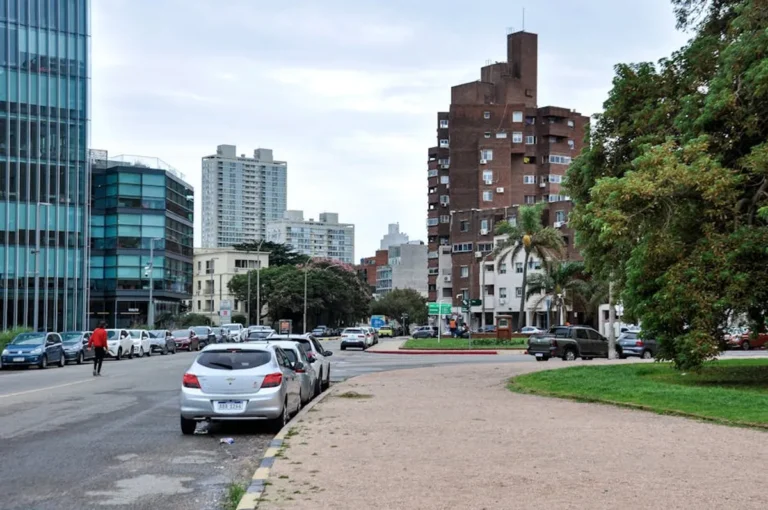
Holguín, Cuba, offers a distinct cultural tapestry woven from its musical traditions, culinary practices, and daily community life. For content strategists, publishers, and marketers, understanding these specific cultural elements provides a rich foundation for developing authentic, engaging content that resonates with niche audiences. This guide outlines the core components of Holguín's culture, highlighting how these unique attributes can inform targeted content creation and audience engagement strategies, moving beyond generic travel narratives to deliver specific, valuable insights.
Holguín's Musical Heritage: Rhythms That Define the Region
Holguín's musical landscape is characterized by deep-rooted traditions and vibrant contemporary expressions. For content creators, this offers opportunities to explore specific genres, instruments, and venues that differentiate the region from other Cuban locales. Focusing on these unique aspects can attract audiences seeking authentic cultural immersion rather than broad overviews.
Traditional Genres and Instruments
The province is a stronghold for genres like Son Holguinero, a regional variant of Cuban Son, often featuring distinctive rhythms and lyrical themes that reflect local life. Trova, with its poetic storytelling and acoustic instrumentation, also holds significant cultural weight here. Instruments like the traditional Cuban tres, maracas, and claves are not merely accompaniments but central to the musical identity. Content exploring the history of these genres, interviews with local musicians, or tutorials on playing specific instruments can capture highly engaged audiences interested in ethnomusicology or regional cultural studies. These topics provide long-tail keyword opportunities for specialized content.
Live Venues and Festivals
The Casa de la Trova in Holguín city serves as a central hub for live music, showcasing both established and emerging artists. Local clubs and cultural centers frequently host performances, providing a consistent pulse of musical activity. Annual events, such as the Romerías de Mayo, while broader in scope, often feature significant musical components, including traditional and contemporary Cuban acts. Documenting these venues and events through photo essays, video tours, or event reviews offers concrete content ideas for travel blogs, cultural magazines, or local guides. These can be optimized for location-specific searches, attracting visitors planning trips or those researching specific cultural experiences.
Culinary Landscape: Flavors of Holguín
Holguín's food culture, while sharing broad Cuban characteristics, also boasts distinct dishes and preparation methods influenced by its agricultural bounty and historical context. This specificity is valuable for food bloggers, culinary tourism marketers, and local business promoters aiming to highlight unique dining experiences.
Signature Dishes and Ingredients
Key dishes include ajiaco holguinero, a hearty stew often richer and more varied in its inclusion of root vegetables and meats than versions found elsewhere. Lechón asado (roast pork) prepared in a traditional caja china or pit roast is a staple, particularly for celebrations, known for its crispy skin and tender meat. Local ingredients like specific varieties of plantains, yucca, and tropical fruits (guava, mango, mamey) form the backbone of many dishes. Content focused on authentic recipes, ingredient sourcing, or the cultural significance of these foods provides practical value for home cooks and food enthusiasts. This niche content can attract organic search traffic from users looking for specific regional Cuban recipes.
Street Food and Dining Experiences
Beyond formal restaurants, Holguín's street food scene offers insights into everyday life. Small, family-run paladares provide intimate dining experiences with homemade flavors, often specializing in one or two dishes. Local markets are crucial for understanding the availability and seasonality of produce. Creating guides to these less-publicized dining spots, reviewing specific paladares, or detailing the experience of shopping at a local market can offer unique perspectives. Such content is highly shareable and valuable for travelers seeking authentic, non-touristy culinary adventures, driving engagement and potentially local business referrals.
Pro Tip: When developing content around Holguín's cultural elements, prioritize authentic local voices and perspectives. Collaborate with local musicians, chefs, or artisans to create content that is not only accurate but also deeply resonant. This approach builds trust with your audience and generates unique, authoritative content that stands out in search results.
Local Life and Traditions: Beyond the Tourist Trail
Understanding the daily rhythms and community traditions of Holguín provides a deeper connection to its culture. This aspect is particularly compelling for content aimed at cultural immersion, responsible tourism, or anthropological interest, offering a nuanced view beyond typical tourist attractions.
Everyday Customs and Community
Daily life in Holguín often revolves around family, neighborhood interactions, and communal spaces like parks and plazas. The tradition of evening strolls (paseos), spontaneous gatherings, and the importance of hospitality are central. Content exploring these customs, such as "A Day in the Life of a Holguinero" or "Understanding Cuban Hospitality," can provide valuable context for visitors and cultural learners. These narratives foster a sense of connection and help set audience expectations for authentic interactions.
Artisan Crafts and Local Markets
Holguín is known for its artisan crafts, including pottery, wood carvings, and textile work, often found in local markets or specialized workshops. The process of creation, the materials used, and the stories behind the artisans offer rich content opportunities. Features on specific craftspeople, guides to finding authentic souvenirs, or explorations of traditional techniques can appeal to audiences interested in sustainable tourism and supporting local economies. This type of content can also be optimized for product-specific or craft-specific keywords.
Festivals and Celebrations
While music festivals are prominent, other celebrations like the Fiesta de la Cultura Iberoamericana bring together diverse artistic expressions from across Latin America and Spain, offering a broader cultural exchange. Documenting these events through feature articles, interviews with participants, or historical context pieces can provide a comprehensive view of Holguín's role as a cultural hub. Such content serves as evergreen resources for those researching cultural events or planning future visits, providing a consistent source of traffic.
Cultivating Content Opportunities from Holguín's Culture
Leveraging Holguín's distinct cultural facets for content creation requires a strategic approach that prioritizes authenticity and specific audience needs. Consider these actionable content ideas:
- Niche Itineraries: Develop "Holguín Music Lover's Tour" or "A Culinary Journey Through Holguín" guides, detailing specific venues, dishes, and experiences.
- Deep Dives: Create in-depth articles or video series on the origins of Son Holguinero, the process of making traditional Cuban cigars (though not unique to Holguín, local context is key), or the history of a specific festival.
- Local Spotlights: Feature interviews with local chefs, musicians, artists, or community leaders to provide insider perspectives and human-interest stories.
- Cultural How-Tos: Produce content like "How to Dance Son Cubano" or "A Beginner's Guide to Cuban Spanish Phrases Used in Holguín."
- Photo and Video Essays: Capture the visual and auditory essence of Holguín's street life, markets, and performances to create immersive experiences.
Actionable Insights for Engaging Audiences
To effectively engage audiences with content about Holguín's culture, focus on storytelling that emphasizes authenticity and local context. Utilize high-quality visuals and audio to convey the vibrancy of the music and the appeal of the food. For SEO, target long-tail keywords related to specific cultural elements (e.g., "Holguín Son music venues," "traditional Holguín recipes," "Romerías de Mayo schedule"). Collaborate with local influencers or cultural organizations to amplify reach and ensure accuracy. By providing specific, well-researched information, your content can establish authority and attract a dedicated audience interested in the unique cultural offerings of Holguín.
Frequently Asked Questions
What makes Holguín's music distinct from other Cuban regions?
Holguín's music often features a regional variant of Son, known as Son Holguinero, characterized by specific rhythmic patterns and lyrical themes reflecting local life and history. The prominence of traditional Trova also gives it a unique flavor compared to regions known more for Rumba or Salsa.
Are there specific food tours available in Holguín?
While formal, organized food tours might be less common than in larger cities, independent guides or local paladares often offer personalized culinary experiences. Researching local, family-run eateries and markets provides the most authentic food exploration.
How can I experience local life beyond tourist areas in Holguín?
Engaging with local communities through cultural centers, attending neighborhood events, visiting local markets, and simply observing daily routines in parks and plazas are effective ways. Seek out smaller, family-run businesses for a more genuine interaction.