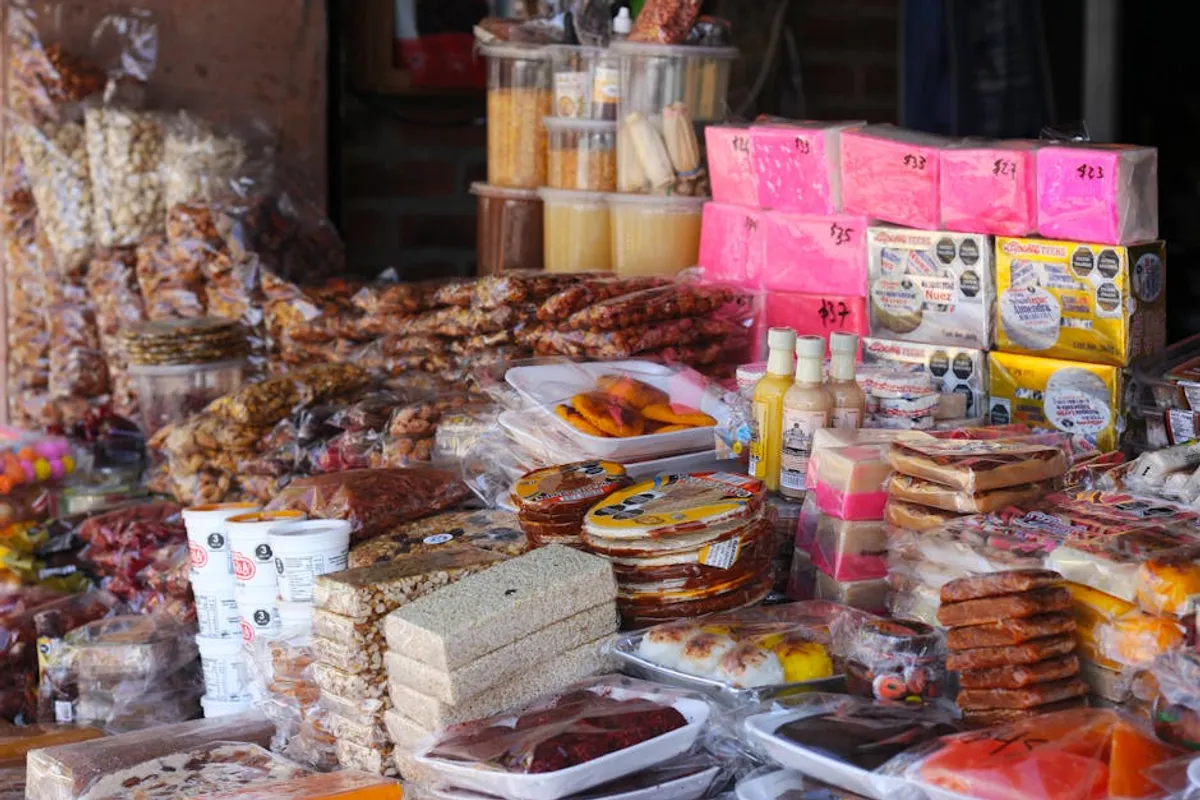
Navigating the culinary landscape of Honduras offers a direct pathway to understanding its culture and people. This guide provides practical insights into the country's distinctive Central American dishes and essential travel considerations for those planning a food-focused journey. Understanding the local cuisine goes beyond mere tasting; it involves recognizing ingredients, preparation methods, and the social context of meals, which collectively enhance the travel experience and ensure informed choices.
Essential Honduran Staples and Specialties
Honduran cuisine is characterized by its blend of indigenous, Spanish, and Afro-Caribbean influences, often relying on corn, beans, rice, plantains, and fresh seafood. The preparation is generally straightforward, emphasizing natural flavors and hearty portions.
- Baleadas: This ubiquitous dish consists of a thick flour tortilla folded over mashed fried beans, crumbled cheese, and a dollop of *mantequilla* (a sour cream-like condiment). Its versatility allows for additions like scrambled eggs, avocado, or various meats, making it suitable for any meal. The quality of the tortilla and the freshness of the beans are key differentiators between a good and an exceptional baleada.
- Sopa de Caracol: A coastal delicacy, this conch soup is prepared with coconut milk, green plantains, yucca, and various spices. The conch's texture and the creamy, savory broth define its appeal. This dish is particularly prominent in the Bay Islands and along the Caribbean coast, reflecting the region's abundant marine resources.
- Plato Típico: Often considered the national dish, the *plato típico* is a substantial meal featuring grilled beef (carne asada), fried plantains, rice, beans, avocado, and *chismol* (a fresh salsa similar to pico de gallo). It provides a comprehensive overview of the country's staple ingredients and preparation styles in a single serving.
- Tajadas con Carne Asada: This simple yet satisfying dish pairs thinly sliced, fried green plantains (tajadas) with grilled beef. The plantains offer a crisp, savory counterpoint to the seasoned meat, often accompanied by a cabbage salad or pickled onions. It is a common lunch or dinner option found across the country.
- Pastelitos: These small, savory turnovers are typically filled with seasoned ground meat, rice, or potatoes, then deep-fried until golden. Served with a drizzle of sauce or *curtido* (a fermented cabbage relish), they function as popular street food or appetizers.
Navigating Local Eateries and Markets
To experience authentic Honduran food, focus on establishments catering to local patrons rather than those primarily targeting tourists. This approach often yields more genuine flavors and better value.
Best for: Authentic, budget-friendly meals.
Seek out *comedores*, which are small, family-run restaurants that serve daily specials. These often display the day's menu on a whiteboard or verbally. Local markets, such as Mercado San Isidro in La Ceiba or Mercado Los Dolores in Tegucigalpa, offer fresh produce, prepared snacks, and a vibrant atmosphere. Engaging with vendors can also provide insight into local ingredients and cooking traditions.
Pro Tip: When seeking authentic Honduran cuisine, prioritize *comedores* and local market stalls over larger, more visibly tourist-oriented restaurants. These smaller establishments often offer fresher ingredients, traditional recipes, and significantly better value, directly supporting local communities.
Ensuring a Safe Culinary Journey
While exploring new foods is a highlight of travel, exercising caution regarding food and water safety is essential to prevent health issues. Stick to bottled water for drinking and brushing teeth. When consuming street food, observe the vendor's hygiene practices: look for freshly cooked items, high turnover, and clean preparation surfaces. Avoid raw or undercooked meats, and opt for fruits that can be peeled, such as bananas, mangoes, and papayas.
For those with dietary restrictions, communication is key. Basic Spanish phrases like "sin carne" (without meat) for vegetarians or "sin gluten" (without gluten) can be helpful, though gluten-free options are naturally common with corn-based dishes like pupusas (though more common in El Salvador, similar corn preparations exist) and baleadas (if the tortilla is corn, but usually flour). Be aware that cross-contamination can occur in small kitchens, so clearly articulate severe allergies.
Maximizing Your Honduran Culinary Journey
An informed approach to Honduran cuisine enhances the overall travel experience by providing cultural immersion and economic benefit to local communities. By understanding key dishes, knowing where to find authentic meals, and practicing basic food safety, travelers can fully appreciate the rich flavors and traditions that define this Central American nation's food culture. This deliberate engagement with local food extends beyond sustenance; it is a direct interaction with the country's heritage and daily life.
Frequently Asked Questions
What are the must-try dishes in Honduras?
Essential dishes include Baleadas for their versatility, Sopa de Caracol for a taste of coastal cuisine, and Plato Típico for a comprehensive experience of Honduran staples.
Is street food safe to eat in Honduras?
Street food can be safe and delicious if you choose vendors with high turnover, visible hygiene practices, and who cook items fresh to order. Observe where locals are eating.
How can I find vegetarian options in Honduras?
Vegetarian options often revolve around rice, beans, plantains, and fresh vegetables. Look for dishes like "casamiento" (rice and beans), fried plantains, or request "sin carne" (without meat) when ordering.
What is *mantequilla* in Honduran cuisine?
*Mantequilla* in Honduras refers to a creamy, tangy condiment similar to sour cream or crema, often served with baleadas, tamales, and other traditional dishes.