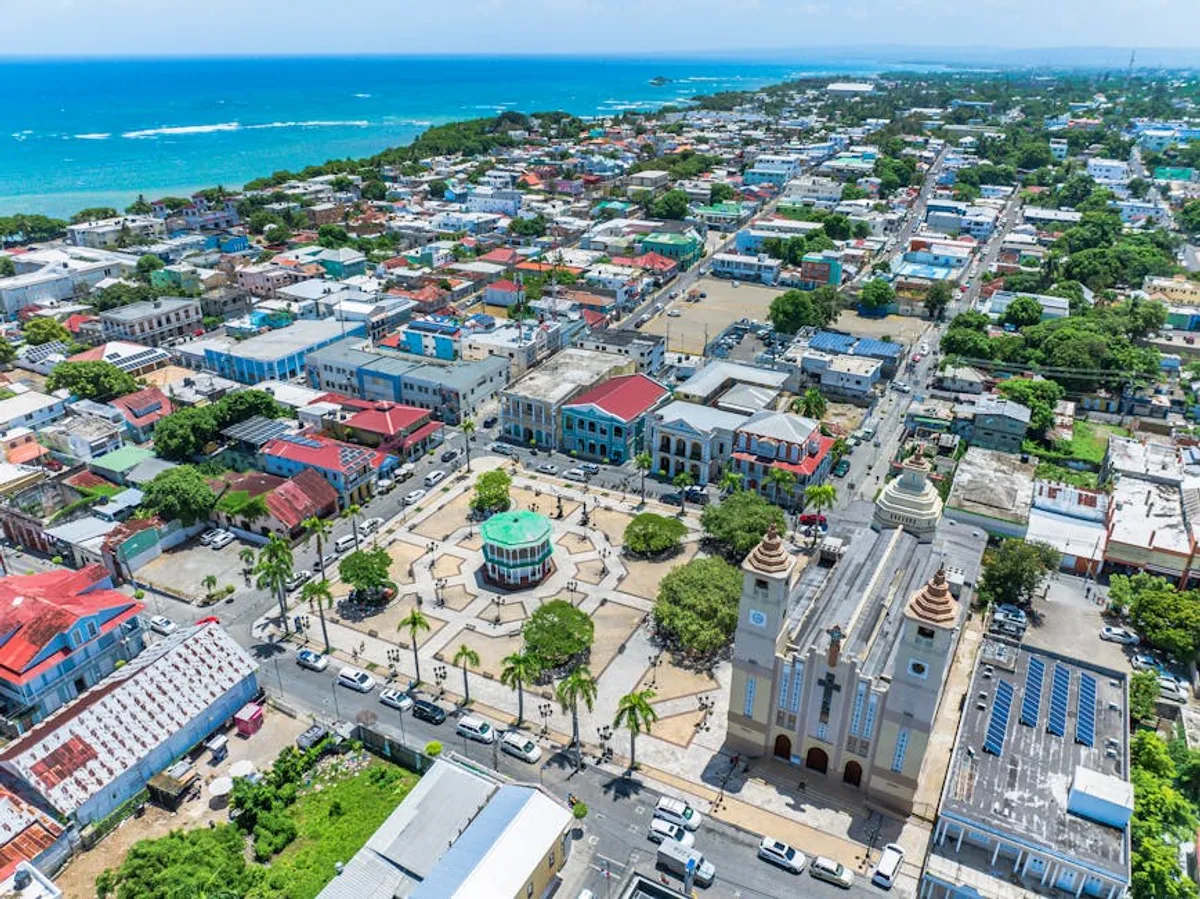
For first-time visitors contemplating a trip to Matanzas, Cuba, understanding the city's distinct character and practical considerations is paramount. Unlike the bustling energy of Havana or the resort-centric focus of Varadero, Matanzas offers a more authentic, slower-paced Cuban experience, often overlooked by mainstream tourism. This guide provides a foundational overview, enabling informed decisions about arrival, exploration, and immersion in a city renowned for its cultural depth and natural beauty.
Why Matanzas Merits a First Visit
Matanzas, often called the "City of Bridges" due to its numerous crossings over three rivers, or the "Athens of Cuba" for its rich poetic and cultural history, presents a compelling alternative for travelers seeking genuine engagement. Its appeal lies in a blend of colonial architecture, Afro-Cuban traditions, and significant natural landmarks. Visitors here encounter a less commercialized environment, fostering direct interaction with local life and culture. The city serves as a strategic base for exploring both its immediate surroundings and nearby attractions like the Yumurí Valley or the Bellamar Caves, without the constant influx of large tour groups.
Arrival and Local Transit
Navigating to and within Matanzas requires specific planning to ensure a smooth experience for first-time visitors.
Airport Access
Most international travelers arrive via Juan Gualberto Gómez Airport (VRA) in Varadero, located approximately 45 minutes east of Matanzas. José Martí International Airport (HAV) in Havana is another option, roughly a two-hour drive west. From either airport, pre-arranged private taxis or collective taxis (taxis colectivos) are the most reliable and direct transport methods. Negotiate fares before departure, as meters are rarely used.
Getting Around the City
Within Matanzas itself, the city center is compact and highly walkable, making pedestrian exploration an effective way to discover its plazas, museums, and riverside promenades. For longer distances or trips outside the immediate downtown area, local taxis are available. These can be state-run (yellow and often older models) or private (often classic American cars). It is advisable to agree on a price with the driver before beginning the journey to avoid misunderstandings.
Key Attractions and Cultural Immersion
Matanzas offers a range of historical, cultural, and natural sites that provide insight into its unique identity.
Historic City Center
Begin at Plaza de la Vigía, the city's original nucleus, home to the Firemen's Museum and the meticulously restored Sauto Theater. The theater, an architectural gem from 1863, still hosts performances and offers guided tours. A short walk leads to Parque de la Libertad, the main civic square, surrounded by colonial buildings and the Pharmaceutical Museum, a remarkably preserved 19th-century French pharmacy. This museum offers a rare glimpse into historical medical practices and pharmaceutical production.
Natural Wonders
Outside the urban core, the Bellamar Caves provide an impressive underground experience. Discovered in 1861, these are Cuba's oldest tourist attraction, featuring extensive galleries of stalactites and stalagmites. Guided tours are standard. Northeast of the city lies the Yumurí Valley, a lush, verdant landscape perfect for hiking, birdwatching, and enjoying scenic views from various lookouts.
Afro-Cuban Heritage
Matanzas is a significant center for Afro-Cuban culture, particularly the Rumba. Visitors interested in this vibrant tradition should seek out local cultural centers or community performances. The San Severino Castle, a former colonial fortress, now houses a museum dedicated to the slave route and the city's Afro-Cuban heritage, providing crucial historical context.
Accommodation Choices
Accommodation in Matanzas primarily revolves around two distinct options, each offering a different experience.
Casas Particulares
Best for: Authentic cultural immersion, direct local interaction, budget-conscious travel.
These private homestays, identifiable by a small blue anchor-like symbol on the door, offer rooms within local residences. They provide an unparalleled opportunity to engage with Cuban families, often including home-cooked meals (breakfast and dinner are typically optional extras). Prices are generally lower than hotels, and the experience offers a personal insight into daily Cuban life.
Hotels
Best for: Standardized amenities, privacy, pre-booked convenience.
Matanzas has a limited selection of state-run hotels, primarily concentrated in the city center or along the waterfront. These offer more conventional amenities but may lack the personalized touch of a casa particular. Booking well in advance is advisable, especially during peak travel seasons, due to fewer options compared to larger tourist hubs.
Dining and Local Cuisine
Matanzas' culinary scene emphasizes traditional Cuban flavors, with opportunities to experience both private and state-run dining establishments.
Paladares vs. State Restaurants
Paladares: These are privately owned restaurants, often operating out of converted homes. They generally offer a more diverse menu, higher quality ingredients, and a more intimate dining atmosphere. Expect dishes like Ropa Vieja (shredded beef), fresh seafood, and various preparations of pork and chicken. Prices can vary but often represent good value for the quality.
State Restaurants: These are government-operated eateries. While some offer decent fare, consistency in quality and service can be variable. They typically serve classic Cuban dishes, often at lower prices than paladares. Exploring both types provides a comprehensive view of the local food landscape.
Must-try: Beyond main courses, sample local fruits, fresh juices, and the ubiquitous Cuban coffee. For a sweet treat, look for artisanal ice cream or traditional pastries.
Practical Considerations for a Smooth Visit
Addressing these practical aspects before arrival will enhance your first-time visit to Matanzas.
Currency and Payments
Cuba's financial system can be complex. While the MLC (Moneda Libremente Convertible) is increasingly used for card payments in specific stores, cash remains king for most transactions, especially in smaller establishments and for services like taxis or casas particulares. US Dollars and Euros are often accepted by private vendors, but exchanging foreign currency for Cuban pesos (CUP) at official exchange houses (CADECA) is necessary for daily expenses. Ensure you carry smaller denominations for ease of transactions.
Connectivity
Internet access in Matanzas is primarily available through Wi-Fi hotspots in public parks and designated ETECSA (state telecommunications company) centers. You'll need to purchase an ETECSA scratch card with a username and password to connect. Consider purchasing a local SIM card if extended connectivity is crucial, though coverage and data speeds can be inconsistent outside major urban areas.
Health and Safety
Matanzas is generally a safe city for tourists. Standard precautions apply: safeguard valuables, avoid walking alone in poorly lit areas at night, and be aware of your surroundings. Drink only bottled water. Protect yourself from the strong tropical sun with hats, sunglasses, and high-SPF sunscreen. Mosquito repellent is advisable, especially during dawn and dusk.
Pro Tip: Always carry a small amount of Cuban pesos (CUP) in various denominations. While some vendors accept foreign currency, having CUP ensures you can pay for small purchases, local transport, and tips without relying on exact change or potentially unfavorable exchange rates from vendors.
Planning Your Matanzas Experience
For first-time visitors, Matanzas offers a nuanced introduction to Cuban culture away from the major tourist circuits. Prioritize booking your casa particular or hotel in advance, especially if traveling during peak season. Research local transport options from your arrival airport. Embrace the opportunity to engage with locals, sample authentic cuisine, and explore both the city's historical depth and its surrounding natural beauty. A flexible itinerary, combined with awareness of local customs and practicalities, will ensure a rewarding and memorable trip.
Frequently Asked Questions
Is Matanzas safe for tourists?
Yes, Matanzas is generally considered safe for tourists. As with any travel destination, exercise common sense precautions: be aware of your belongings, avoid isolated areas at night, and remain vigilant in crowded places.
What is the best way to pay for things in Matanzas?
Cash, specifically Cuban pesos (CUP), is the most widely accepted form of payment for daily expenses, taxis, and casas particulares. While some private vendors may accept foreign currency (USD, EUR), it's best to exchange money at official CADECA offices for better rates.
How can I get internet access in Matanzas?
Internet access is available through public Wi-Fi hotspots in parks and ETECSA centers. You will need to purchase an ETECSA scratch card for access. Local SIM cards can also be purchased for mobile data, though coverage can be spotty.
What are the must-see attractions for a first-time visitor?
Key attractions include Plaza de la Vigía, Sauto Theater, the Pharmaceutical Museum, the Bellamar Caves, and exploring the Yumurí Valley. Engaging with the city's Afro-Cuban heritage at cultural centers or the San Severino Castle is also highly recommended.