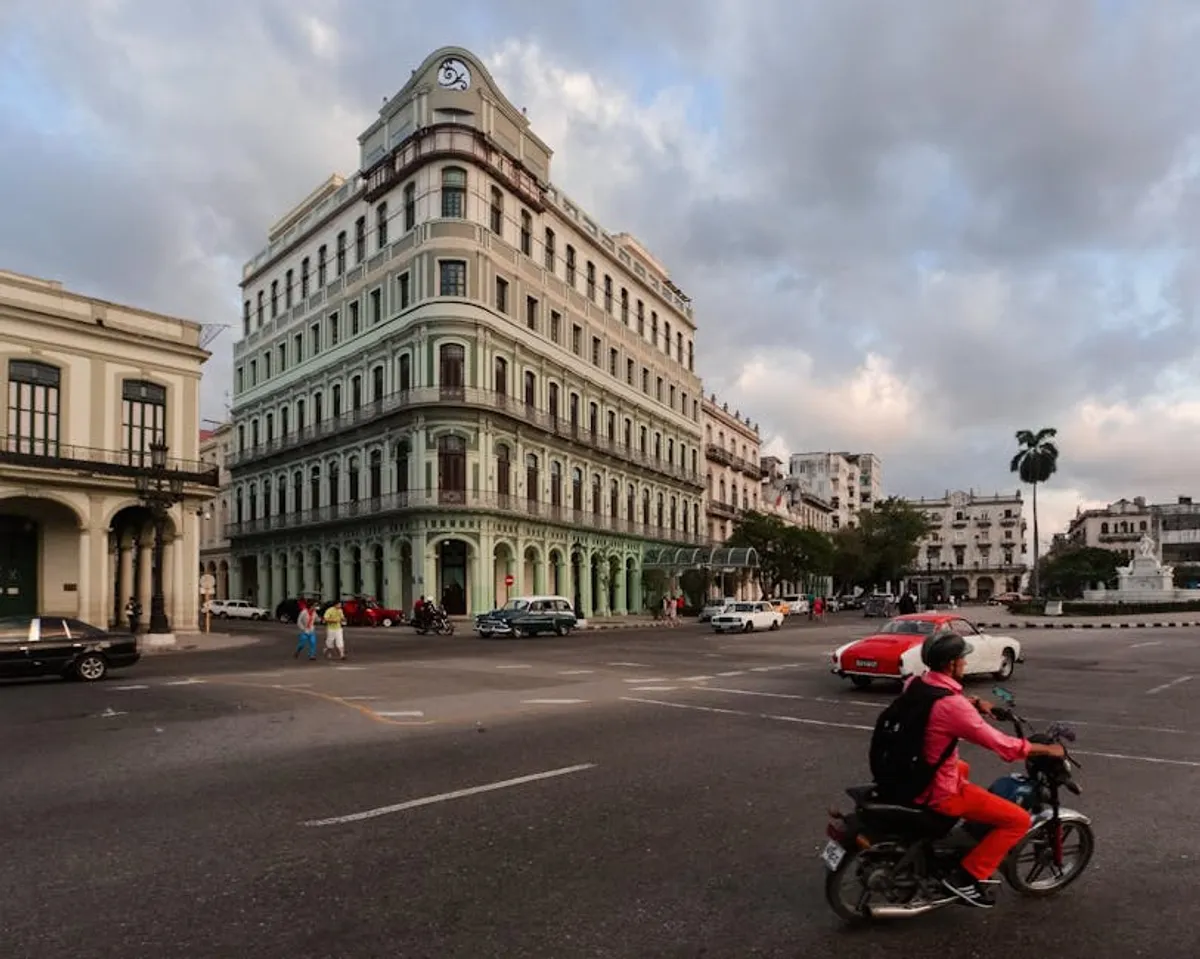
For those seeking a profound immersion into Cuba's foundational cultural expressions, Santiago de Cuba offers a distinct and vibrant experience, diverging notably from Havana's more internationalized facade. This guide details the essential elements that define Santiago's cultural landscape, providing context for travelers, cultural researchers, and content creators aiming to understand or represent its unique identity. The city’s cultural fabric is woven from centuries of Afro-Cuban heritage, French-Haitian influence, and Spanish colonial history, resulting in a dynamic environment where traditions are not merely preserved but actively lived.
Rhythmic Heartbeat: Santiago's Musical Legacy
Santiago de Cuba is widely recognized as the birthplace of Son Cubano, the foundational genre that evolved into salsa. This musical form is not just entertainment; it is an intrinsic part of daily life, audible from open doorways, street corners, and lively Casas de la Trova. The city’s musical identity is characterized by its raw energy and deep historical roots, offering an unvarnished encounter with Cuban rhythm.
Son Cubano and Trova Traditions
The genesis of Son Cubano in Santiago is attributed to its blend of Spanish guitar and African percussion, creating a distinct call-and-response structure. Unlike more polished forms found elsewhere, Santiago's Son retains a direct, earthy quality. The Casa de la Trova, a cultural institution, serves as a primary venue where local musicians perform traditional Son and Trova, a poetic song tradition. These performances are typically intimate, allowing for direct interaction with the artists and an unfiltered experience of the music's authenticity.
Key Venues for Music:
- Casa de la Trova: Essential for live Son and Trova, featuring daily performances by established local groups and emerging talents.
- Patio de Artex: Offers a mix of traditional and contemporary Cuban music in an open-air setting, often attracting a younger crowd.
- Parque Céspedes: Often features impromptu street performances and musical gatherings, particularly in the evenings.
Carnaval de Santiago de Cuba
The city's annual Carnaval, typically held in July, is Cuba’s largest and most historically significant. It is a spectacular demonstration of Santiago’s Afro-Cuban heritage, characterized by its congas, comparsas (street parades), and elaborate costumes. The music of Carnaval, particularly the conga santiaguera, features a specific rhythmic pattern driven by Chinese cornets, drums, and percussion, creating a unique, infectious sound that mobilizes entire neighborhoods. Understanding Carnaval is key to grasping the city’s collective spirit and its deep connection to ancestral traditions.
Pro Tip: When attending musical performances, particularly in smaller venues, observe local etiquette. Applaud enthusiastically, but avoid interrupting musicians mid-song. Engaging with the rhythm through subtle movement is often appreciated, but always be respectful of the space and performers.
Culinary Traditions: Flavors of Santiago
Santiago de Cuba’s cuisine reflects its geographical position and historical influences, presenting a distinct flavor profile within Cuban gastronomy. While staples like rice and beans are universal, Santiago’s dishes often feature a heavier use of spices, root vegetables, and fresh seafood, influenced by its proximity to the Caribbean and its diverse cultural past.
Distinctive Dishes and Ingredients
The local diet frequently incorporates ingredients like boniato (sweet potato), yucca, plantains, and tropical fruits such as mango, guava, and papaya. Seafood, particularly fresh fish and shrimp, is more prevalent here than in inland regions. A notable local specialty is the ajiaco santiaguero, a hearty stew made with various meats and root vegetables, embodying the fusion of cultures in a single dish. Another local staple is congri, a rice and red bean dish that often replaces the more common moros y cristianos (rice and black beans) found in other parts of Cuba.
Signature Santiago Dishes:
- Fricasé de Carnero: A rich lamb stew, often slow-cooked with vegetables and aromatic spices.
- Lechón Asado: Roast pork, frequently marinated in sour orange and garlic, served crispy.
- Bacalao a la Vizcaína: Salt cod prepared in a Spanish Basque style, reflecting colonial culinary transfers.
Paladares and Local Eateries
Dining in Santiago offers a range of experiences, from formal restaurants to informal paladares (private, family-run restaurants) and street food vendors. Paladares often provide the most authentic culinary experience, serving home-cooked meals in intimate settings. They are crucial for understanding the local approach to food preparation and hospitality. Street food, such as frituras de malanga (taro fritters) or pan con lechón (pork sandwiches), offers quick, flavorful insights into daily life.
Daily Rhythms and Community Spirit
Beyond music and food, Santiago de Cuba’s local life is characterized by its strong community bonds, vibrant street culture, and unique social customs. The pace of life is often slower than in larger metropolises, allowing for more spontaneous interactions and observations of daily routines.
Social Gatherings and Public Spaces
Public squares like Parque Céspedes and Plaza de Marte serve as central hubs for social interaction, particularly in the evenings. Families gather, friends converse, and street vendors ply their trades. These spaces are not merely transit points but active extensions of people's homes and social lives. The relaxed atmosphere encourages observation and participation, offering a window into the city’s collective consciousness.
A significant aspect of local life is the bodega, the local ration store, which also functions as an informal social nexus where neighbors exchange news and engage in daily banter. Observing these interactions provides insight into the community's tightly knit structure.
Religious and Spiritual Practices
Santiago de Cuba is a significant center for Afro-Cuban religious practices, particularly Santería and Palo Monte. While these practices are often private, their influence is visible in elements of daily life, from specific ritual objects displayed in homes to the rhythm and symbolism embedded in music and dance. The annual pilgrimage to the Basílica de la Virgen de la Caridad del Cobre, Cuba's patron saint, also underscores the deep spiritual dimension of Santiago’s populace, blending Catholic traditions with indigenous and African beliefs.
Engaging with Santiago's Culture
To fully appreciate Santiago’s cultural depth, active engagement is essential. This means moving beyond typical tourist itineraries and seeking out opportunities for genuine interaction. Attending a local baseball game, participating in a neighborhood fiesta, or simply spending time in a park observing daily life can yield significant insights. The city’s residents are generally open and welcoming, often keen to share their culture with interested visitors.
Understanding the nuances of communication, such as the use of direct but polite language and the importance of personal connection, facilitates deeper engagement. Learning a few basic Spanish phrases can significantly enhance interactions, demonstrating respect for the local culture.
Practical Considerations for Cultural Immersion
Engaging deeply with Santiago's culture requires flexibility and an open mind. Public transportation can be less predictable than in other countries, and spontaneous changes are common. Embracing this fluidity is part of the experience. Currency is dual (CUP and MLC), and understanding the exchange rates and where to use each is practical for daily transactions. Internet access is available but often limited to specific Wi-Fi zones, encouraging more present-moment engagement rather than constant digital connection.
Frequently Asked Questions
What makes Santiago de Cuba's music distinct from Havana's?
Santiago is the historical birthplace of Son Cubano and maintains a rawer, more traditional sound, heavily influenced by Afro-Cuban rhythms and instruments like the Chinese cornet, especially evident during Carnaval. Havana's music, while rooted in these traditions, has often absorbed more international influences and developed more contemporary forms.
Are there specific etiquette considerations for cultural interactions in Santiago?
Politeness, direct eye contact, and showing respect for elders are highly valued. When visiting homes or private establishments, it's customary to greet everyone present. Asking for permission before taking photographs of individuals, especially children, is also important.
How does Santiago de Cuba's history influence its current culture?
The city's history as a major port for the slave trade and a destination for French-Haitian immigrants profoundly shaped its Afro-Cuban religious practices, musical forms like Son and Conga, and distinct culinary traditions, creating a unique cultural blend distinct from other Cuban cities.
What is the best time of year to experience Santiago de Cuba's cultural events?
The most vibrant cultural period is typically July, coinciding with the Santiago de Cuba Carnaval, which is the largest and most historically significant in Cuba. Other local festivities and religious celebrations occur throughout the year, but July offers the most concentrated cultural immersion.