First-time visitors to Santiago de Cuba encounter a city distinct from Havana, steeped in a rich Afro-Cuban heritage and revolutionary history. This guide details the practicalities and cultural nuances necessary for a focused and rewarding initial visit, emphasizing the city's unique rhythms and historical significance over typical resort experiences. Understanding Santiago's specific character—its vibrant street life, musical traditions, and pivotal role in Cuban identity—is key to appreciating its appeal beyond standard tourist itineraries.
Navigating Your Arrival and Local Transport
Reaching Santiago de Cuba
Most international travelers arrive at Antonio Maceo Airport (SCU), located approximately 7 kilometers (4 miles) south of the city center. Direct flights are limited, often requiring a connection through Havana (HAV) or other Caribbean hubs. Domestic flights from Havana are a common method, typically taking around 1.5 hours. Alternatively, Viazul buses offer a more economical, though significantly longer, overland option from Havana, with journeys often exceeding 12 hours. For those prioritizing efficiency, flying is the preferred choice, despite potential layovers.
Getting Around the City
Santiago's central districts are largely walkable, particularly around Parque Céspedes and its immediate vicinity. For longer distances, several transport options are available:
- Taxis: Official taxis are identifiable by their yellow license plates and offer a comfortable, albeit more expensive, option. Always negotiate the fare before starting your journey, as meters are rarely used.
- Almendrones: These are shared classic American cars operating on fixed routes, similar to collective taxis. They are significantly cheaper than private taxis but require knowledge of local routes and Spanish for effective communication. They are ideal for experiencing local transport culture.
- Motorcycle Taxis (Bici-Taxis): Common for shorter distances within neighborhoods. Fares are negotiable and typically lower than car taxis.
- Local Buses: While the cheapest option, local buses are often crowded, lack clear route information for non-residents, and can be challenging for visitors unfamiliar with the system. They are generally not recommended for primary tourist transit.
Best for: Exploring the immediate city center on foot, using official taxis or almendrones for specific destinations further afield.
Pro Tip: When negotiating taxi fares, always have small denominations of Cuban Pesos (CUP) ready. Drivers may claim not to have change for larger bills, or quote prices in a way that implies a foreign currency rate if you do not specify CUP. Confirm the currency before agreeing on a price.
Essential Historical and Cultural Landmarks
Central Santiago: Parque Céspedes and Surroundings
Parque Céspedes serves as the historical and social heart of Santiago. The park is surrounded by significant structures:
- Catedral de Nuestra Señora de la Asunción: A prominent cathedral overlooking the park, offering architectural interest and a central point for orientation.
- Casa de Diego Velázquez: Considered the oldest standing house in Cuba, dating back to 1516. It provides insight into early colonial architecture and life, functioning now as a museum with period furnishings.
- Ayuntamiento (City Hall): Famous as the balcony from which Fidel Castro declared the triumph of the Cuban Revolution in 1959.
Value: These sites collectively offer a concentrated view of Santiago's colonial past and its pivotal role in national history.
Revolutionary History and National Heroes
Santiago holds a unique place in Cuba's revolutionary narrative:
- Moncada Barracks: Site of the 1953 attack led by Fidel Castro, marking the beginning of the Cuban Revolution. Now a museum, it details the events and displays artifacts from the period.
- Cementerio Santa Ifigenia: A national monument and the resting place of many Cuban heroes, including José Martí, Fidel Castro, and Carlos Manuel de Céspedes. The changing of the guard ceremony at Martí's mausoleum is a daily, precise spectacle.
Significance: Visiting these locations provides direct engagement with the origins and key figures of the Cuban Revolution, offering a deeper understanding of the nation's political identity.
Coastal Fortifications and Religious Sites
Beyond the city center, Santiago offers important cultural and historical destinations:
- Castillo de San Pedro de la Roca (El Morro): A UNESCO World Heritage site, this 17th-century fortress guards the entrance to Santiago Bay. Its intricate design and strategic location offer panoramic views of the Caribbean Sea and insight into Spanish colonial military engineering.
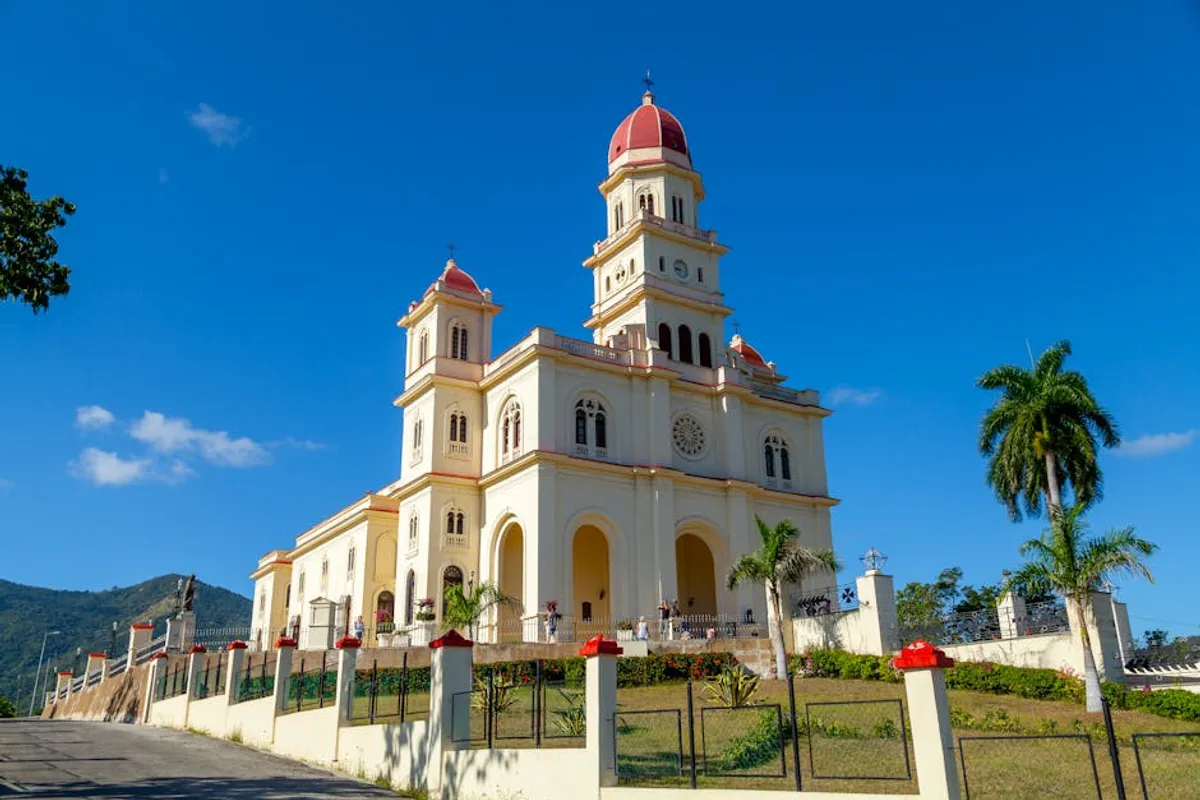
- Basílica de Nuestra Señora de la Caridad del Cobre: Located about 20 kilometers (12 miles) west of Santiago, this basilica is Cuba's most revered religious sanctuary, dedicated to the patron saint of Cuba. It draws pilgrims from across the island and beyond, showcasing a blend of Catholic and Afro-Cuban religious practices.
Benefit: These sites provide a broader perspective on Santiago's historical defense and its spiritual landscape, extending beyond purely political narratives.
Savoring Santiago: Cuisine and Nightlife
Local Flavors to Explore
Santiago's cuisine reflects its Afro-Cuban roots and Caribbean influences. Expect staples like:
- Congrí: A flavorful rice and black bean dish, distinct from the white rice and separate black beans (moros y cristianos) found elsewhere.
- Lechón Asado: Roast pork, often marinated and slow-cooked, a celebratory dish.
- Seafood: Fresh fish, shrimp, and lobster are available, particularly in coastal areas or at paladares (private restaurants).
Dining options range from state-run restaurants, often with limited menus, to private paladares that typically offer more diverse and higher-quality dishes. Look for paladares for a more authentic and often superior culinary experience.
Evening Entertainment and Music
Santiago is renowned as Cuba's musical heartland. Live music is ubiquitous:
- Casa de la Trova: An iconic venue hosting traditional Cuban music, including son and trova. It's a key spot for experiencing authentic Santiago nightlife.
- Street Music: Musicians often perform in parks, plazas, and outside restaurants, offering impromptu concerts.
- Rum: Santiago is home to the original Bacardí rum distillery (though no longer operating under that name). Local rum is a staple of social gatherings.
Experience: Engaging with Santiago's music scene offers a direct connection to its cultural vibrancy, often in informal and spontaneous settings.
Practicalities for a Smooth Visit
Currency and Connectivity
Cuba's currency system uses the Cuban Peso (CUP). Foreign currencies like USD or EUR can be exchanged at official Casas de Cambio (CADECA) or banks. Avoid unofficial money changers on the street due to potential scams.
Internet access is primarily available through ETECSA Wi-Fi hotspots, located in parks and public areas. Access requires purchasing scratch cards with codes for an hourly rate. Connectivity can be slow and unreliable, so managing expectations is crucial.
Recommendation: Carry sufficient cash in CUP for daily expenses, as card payments are not widely accepted, especially outside major hotels. Plan for limited internet access and use it strategically.
Health, Safety, and Etiquette
Tap water is generally not safe for drinking; rely on bottled water. Basic medical services are available, but for serious conditions, travel insurance with medical evacuation coverage is advisable. Santiago is generally safe, but petty theft can occur in crowded areas. Maintain awareness of your belongings.
Cuban culture values respect and hospitality. Learning basic Spanish phrases significantly enhances interactions. Politeness, a greeting (e.g., "Buenos días"), and a thank you ("Gracias") go a long way. Photography of military installations or police is prohibited.
Consideration: A small first-aid kit, including over-the-counter remedies for common ailments, is practical given limited pharmacy access.
Accommodation Choices
For an authentic experience, consider staying in a casa particular. These are private homes licensed to rent rooms to tourists, offering a direct cultural exchange with local families. They often include breakfast and dinner options. Hotels, ranging from budget to more upscale, are also available, providing standard amenities and services. Casas particulares generally offer better value and a more immersive stay.
Preparing for Your Santiago de Cuba Journey
A successful trip to Santiago de Cuba hinges on embracing its unique character and preparing for its specific practicalities. Focus on understanding the local currency, navigating limited internet, and engaging directly with its rich historical and musical traditions. Prioritize cultural immersion through local transport and dining, and be prepared for a less polished, but profoundly authentic, Cuban experience. This approach ensures a visit that connects deeply with the city's soul, far beyond typical tourist expectations.
Frequently Asked Questions
What is the best time of year to visit Santiago de Cuba?
The dry season, from November to April, offers cooler temperatures and lower humidity, making it ideal for exploring. July is notable for the vibrant Santiago de Cuba Carnival, though temperatures are much higher.
Do I need a visa to visit Cuba?
Most visitors require a tourist card (visa). Requirements vary by nationality, so check with the Cuban embassy or consulate in your country well in advance of your trip.
Is Santiago de Cuba safe for tourists?
Santiago is generally safe. Normal precautions against petty theft in crowded areas apply. Avoid walking alone late at night in unlit areas. The Cuban government places a high priority on tourist safety.
Can I use my credit or debit card in Santiago?
Credit and debit cards from US banks do not work in Cuba. Cards from other countries may work in some larger hotels and state-run stores, but cash (Cuban Pesos, CUP) is essential for most transactions, especially at paladares, casas particulares, and for transport.