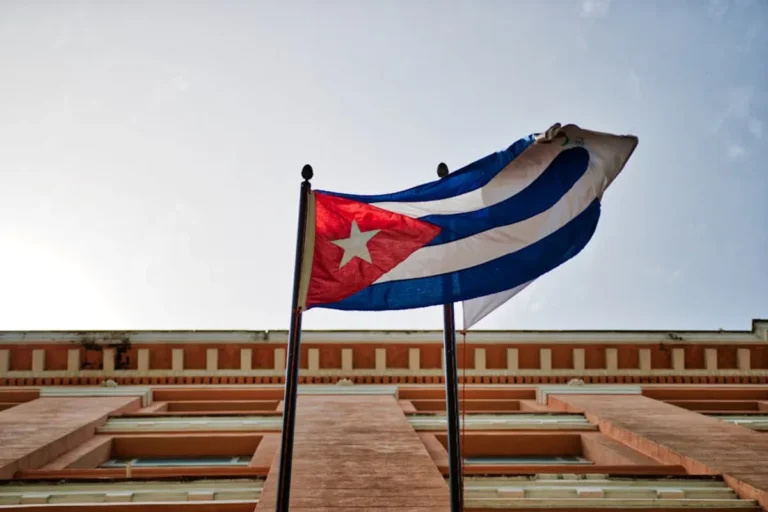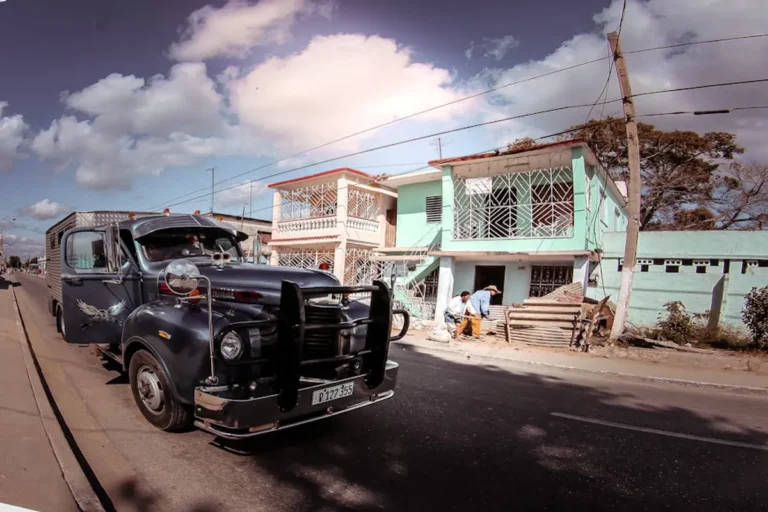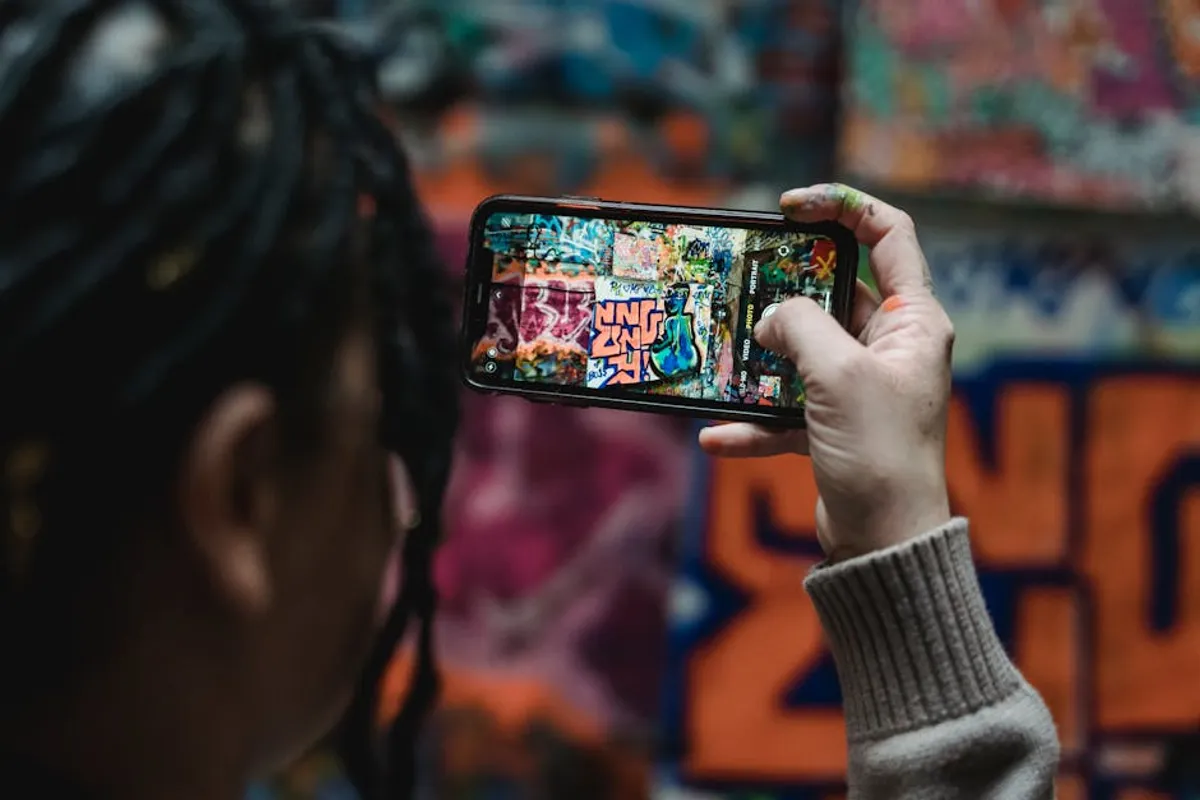
For content strategists and destination marketers, Havana's vibrant street art scene represents a significant, often under-leveraged, opportunity for audience engagement and local search visibility. Beyond its aesthetic appeal, this art form functions as a living chronicle of Cuban culture, politics, and daily life, offering rich thematic depth for publishers aiming to capture specific audience segments. Understanding the historical context, key locations, and cultural nuances of Havana's street art allows for the development of highly targeted content strategies that resonate with both travel planners and cultural enthusiasts, ultimately driving organic traffic and deeper user interaction. This rich artistic tapestry provides countless opportunities for capturing Havana's visual essence, making it ideal for photography enthusiasts.
Historical Context and Evolution of Havana's Street Art
Havana's street art is not a monolithic movement but a layered expression evolving from various influences. Early forms often emerged as political commentary or revolutionary propaganda, with murals serving as public canvases for state-sanctioned messages. Post-revolution, and particularly after the Special Period of the 1990s, a more diverse and often unsanctioned street art scene began to flourish. Artists, facing economic constraints and limited access to traditional galleries, turned to public spaces as accessible platforms for expression. This period saw the rise of more personal narratives, Afro-Cuban religious motifs, and social critiques, reflecting a shift from purely political messaging to broader cultural and individual storytelling. This historical trajectory provides a vital framework for content creators to contextualize visual assets and craft narratives that go beyond mere description, appealing to users seeking deeper cultural understanding.
Key Areas and Artistic Hubs
Identifying specific geographical concentrations of street art is crucial for localized content strategies and visual asset acquisition. These hubs often have distinct artistic styles and historical significance.
Callejón de Hamel
This narrow alleyway in the Cayo Hueso neighborhood is a central point for Afro-Cuban culture and art. Initiated by Salvador Gonzáles Escalona in 1990, the entire street is a canvas, adorned with vibrant murals, sculptures, and found-object installations. The art here is deeply rooted in Santería, Yoruba traditions, and Cuban folklore. Content focused on Callejón de Hamel can target keywords related to "Afro-Cuban art Havana," "Santería culture Cuba," and "Salvador Gonzáles Escalona," attracting users interested in cultural immersion and specific artistic movements.
Fusterlandia
Located in the fishing village of Jaimanitas, Fusterlandia is the brainchild of artist José Fuster. His home and the surrounding neighborhood have been transformed into a fantastical, Gaudi-esque wonderland of colorful mosaics and sculptures. This area exemplifies a community art project, where Fuster's influence has inspired neighbors to decorate their own homes. Content on Fusterlandia appeals to audiences interested in unique architectural art, community projects, and family-friendly attractions, allowing for keyword targeting like "mosaic art Havana," "José Fuster studio," and "unique art installations Cuba."
San Isidro District
The San Isidro district, particularly around Damas Street, has emerged as a contemporary art hub, often featuring more experimental and politically charged works. This area is characterized by a mix of established and emerging artists, with murals and installations frequently changing. Its dynamic nature makes it suitable for content that requires regular updates, focusing on current trends, new artists, and urban exploration. For SEO, this translates to opportunities for "contemporary Cuban art," "Havana art scene updates," and "urban art tours Havana" type queries.
Thematic Elements and Cultural Significance
Havana's street art is a rich tapestry of themes, each offering unique entry points for content development. Common motifs include:
- Revolutionary Ideals: Depictions of national heroes, historical events, and patriotic slogans, often found in older or more government-sanctioned works.
- Afro-Cuban Heritage: Strong presence of deities (Orishas), ritual symbols, and vibrant colors reflecting Santería and other African-derived spiritual practices.
- Daily Life and Social Commentary: Portrayals of everyday Cuban scenes, from musicians and dancers to classic cars and family gatherings, often with subtle or overt social critiques.
- Nature and Symbolism: Tropical flora and fauna, often imbued with symbolic meanings relating to resilience, freedom, or cultural identity.
Analyzing these themes helps in structuring content around specific cultural interests, informing keyword research for long-tail queries, and developing narratives that resonate deeply with audiences seeking authentic cultural insights.
Impact on Tourism and Local Economy
Street art significantly contributes to Havana's tourism appeal, transforming previously overlooked neighborhoods into vibrant attractions. These artistic zones draw visitors seeking authentic cultural experiences beyond traditional tourist sites. This influx translates into economic benefits for local communities through increased patronage of small businesses, local guides, and artists selling their work. For travel content creators, highlighting these economic and community impacts adds a layer of depth, appealing to responsible tourism advocates and those interested in supporting local economies. This also opens up commercial content opportunities for local businesses within these art districts.
Content Opportunities for Publishers and Marketers
Leveraging Havana's street art offers multiple avenues for engaging content that can drive organic visibility and audience interaction.
Visual Storytelling
High-quality photography and video are paramount. Create photo essays, virtual tours, or short documentaries focusing on individual murals, artists, or specific art districts.
Best for: Instagram, Pinterest, YouTube, and visually-driven travel blogs. Optimize images with descriptive alt text and captions for visual search.
Local SEO and Geotagging
For each art hub, create location-specific content. This includes blog posts titled "Best Street Art in [Neighborhood Name]," Google My Business listings for studios or galleries, and geotagged social media posts.
Best for: Driving foot traffic for local businesses, "near me" searches, and attracting tourists planning itineraries.
Cultural Immersion Content
Develop in-depth articles or interviews exploring the stories behind the art, the artists' motivations, and the cultural significance of specific themes. This moves beyond surface-level descriptions to provide educational value.
Best for: Educational platforms, cultural travel guides, and audiences seeking deeper understanding. Focus on long-form content and expert interviews.
Pro Tip: When documenting street art, always prioritize respect for the artists and local community. Seek permission when possible, credit artists appropriately, and avoid any actions that could be perceived as exploitative or disrespectful to the art or its cultural context. Authentic engagement builds trust with both your audience and local stakeholders.
Navigating Ethical Considerations
Publishers and marketers engaging with Havana's street art must navigate ethical considerations carefully. This includes respecting intellectual property rights of artists, particularly for works that are not officially sanctioned or are ephemeral. Providing attribution, when feasible, is a best practice. Furthermore, avoid commodifying or sensationalizing the art without acknowledging its deeper cultural or political roots. Content should aim to educate and appreciate, rather than merely exploit for commercial gain. Partnering with local artists or cultural organizations can ensure content is both accurate and respectful.
Leveraging Havana's Street Art for Audience Engagement
Havana's street art offers a compelling narrative for content creators. By focusing on its rich history, diverse themes, and specific geographical hubs, publishers can craft content that is both authentic and highly optimized for search. Emphasize visual storytelling, leverage local SEO tactics, and delve into cultural narratives to capture a broad audience. Prioritizing ethical engagement ensures the content not only performs well but also contributes positively to the appreciation of this unique artistic expression.
Frequently Asked Questions
Is street art in Havana legal?
The legality of street art in Havana varies. Some murals are officially commissioned or permitted, particularly in established cultural zones like Callejón de Hamel or Fusterlandia. Other works may be unsanctioned, existing in a grey area. It is generally advisable to appreciate and document existing art without contributing to new unsanctioned works.
Who are some notable Havana street artists?
Key figures include Salvador Gonzáles Escalona (Callejón de Hamel), José Fuster (Fusterlandia), and younger artists like Yulier P. and Mr. Myl who often work in more contemporary or critical styles across various city districts. Many works are also collaborative or anonymous, reflecting the communal spirit of street art.
What is the best way to find street art in Havana?
The most effective way is to visit known artistic neighborhoods such as Callejón de Hamel, Fusterlandia in Jaimanitas, and the San Isidro district. Walking tours, either guided or self-guided with a map, are excellent for discovering both prominent pieces and hidden gems. Local guides can often provide deeper insights into the art and artists.
How does Havana's street art reflect Cuban culture?
Havana's street art is a direct reflection of Cuban culture, embodying its resilience, creativity, and complex history. It often showcases Afro-Cuban religious traditions, revolutionary iconography, everyday life, and social commentary, serving as a public canvas for collective memory and contemporary expression.