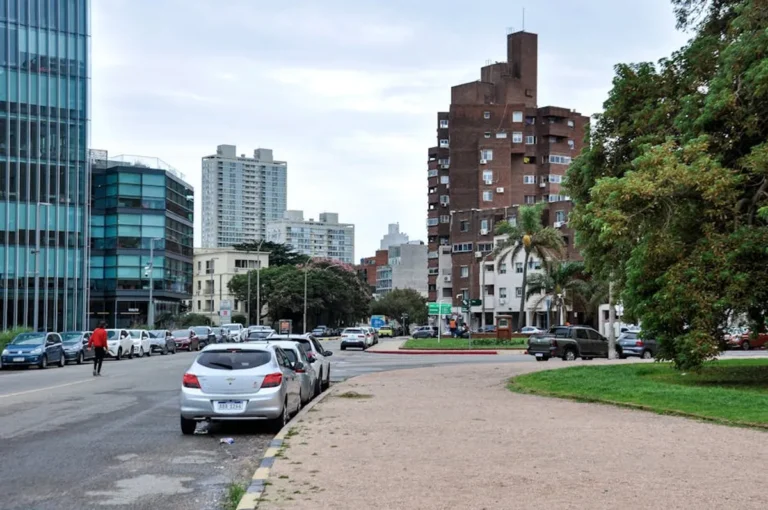
Planning a first visit to Trinidad involves navigating a vibrant cultural landscape distinct from typical Caribbean resort destinations. This guide focuses on equipping first-time travelers with the essential practical knowledge to maximize their experience, from pre-trip preparations to on-the-ground navigation and immersion in local life. Understanding key logistical considerations and cultural nuances upfront ensures a more rewarding and efficient journey into Trinidad's diverse offerings.
Key Considerations Before You Go
Visa Requirements
Entry requirements for Trinidad and Tobago vary significantly by nationality. Many countries, including the United States, Canada, the United Kingdom, and most Commonwealth nations, do not require a visa for stays up to 90 days for tourism purposes. However, it is crucial to verify the specific requirements for your passport well in advance of travel. Consult the official website of the Ministry of National Security of Trinidad and Tobago or your country's foreign affairs department for the most current information. Failure to secure proper documentation can result in denied boarding or entry.
Currency and Cost
The official currency is the Trinidad and Tobago Dollar (TTD). While major credit cards are accepted at larger hotels, restaurants, and shops, cash is essential for smaller vendors, street food, maxi-taxis, and local markets. ATMs are widely available in urban centers. Budgeting for Trinidad should account for its position as a moderately priced Caribbean destination, often more affordable than some island neighbors but requiring conscious spending. Expect to pay TT$30-50 for a casual meal, TT$5-10 for a local maxi-taxi ride, and TT$150-300 for mid-range accommodation per night. Exchange rates fluctuate, so monitor them before and during your trip.
Best Time to Visit
Trinidad experiences two main seasons: the dry season (January to May) and the wet season (June to December). The dry season is generally preferred for travel due to lower humidity and less rainfall, making outdoor activities and beach visits more comfortable. This period also coincides with Carnival, typically held in February or March, which is a peak travel time with significantly higher prices and booking demands. The wet season brings lush greenery and fewer crowds, but daily showers are common, usually brief but intense. For first-time visitors seeking optimal weather and access to events, targeting the dry season outside of peak Carnival weeks offers a balanced experience.
Safety and Local Customs
Trinidad is generally safe for tourists, but like any urban environment, it requires vigilance. Petty crime, such as pickpocketing and bag snatching, can occur, particularly in crowded areas or after dark. Avoid displaying expensive jewelry or electronics overtly. Familiarize yourself with local customs: Trinidadians are generally friendly and welcoming, but respect for personal space and polite address are appreciated. Casual attire is acceptable, but modesty is advisable in religious sites. Public displays of affection are generally discreet.
Pro Tip: When using taxis, opt for registered, red-banded H-licensed vehicles or pre-arranged services through your accommodation. Avoid unmarked cars, especially at night. Confirm the fare before starting your journey to prevent misunderstandings.
Getting There and Around
Flights and Entry Points
Piarco International Airport (POS) in Port of Spain is Trinidad’s primary international gateway. Direct flights are available from major hubs in North America, Europe, and other Caribbean islands. Airlines serving POS include Caribbean Airlines, American Airlines, United, British Airways, and WestJet. Booking flights several months in advance, especially for dry season travel, can yield better rates. Ensure your passport has at least six months of validity beyond your intended departure date.
Transportation Options
Navigating Trinidad involves a mix of public and private options.
- Maxi-Taxis: These privately owned, government-regulated minibuses are a primary mode of public transport for locals. They operate on fixed routes, identified by colored bands (e.g., red for Port of Spain to eastern areas). They are affordable but can be crowded and do not offer direct door-to-door service.
- Taxis: Readily available in urban areas and at the airport. Registered taxis have an 'H' on their license plate. Fares should be agreed upon before departure. Ride-sharing apps are also gaining traction in Port of Spain.
- Rental Cars: For independent exploration, particularly to reach remote natural sites, a rental car is recommended. Roads can be narrow and winding, and driving is on the left. Ensure comprehensive insurance coverage.
- Inter-island Ferry/Flights: To visit Tobago, the sister isle, regular ferry services operate between Port of Spain and Scarborough, Tobago (approximately 3 hours). Caribbean Airlines also offers frequent short flights (about 20 minutes) between the two islands.
Must-Experience Attractions
Port of Spain Highlights
The capital city, Port of Spain, offers a blend of historical architecture and urban vibrancy. The
Queen's Park Savannah
is a vast green space surrounded by significant landmarks, including the
Magnificent Seven
– a row of elaborate colonial-era mansions. The
National Museum and Art Gallery
provides insight into Trinidad and Tobago's history, culture, and natural heritage. For a taste of local commerce and atmosphere, visit the bustling
Central Market
.
Nature and Outdoors
Trinidad's natural environment is rich and diverse. The
Asa Wright Nature Centre
, located in the Northern Range, is a renowned birdwatching destination, home to over 150 species, including the endemic Golden-headed Manakin. The
Caroni Bird Sanctuary
offers evening boat tours to witness thousands of Scarlet Ibis returning to roost, a spectacular natural phenomenon. For a unique geological site, explore the
Pitch Lake
in La Brea, the largest natural deposit of asphalt in the world.
Beaches
While Trinidad is less known for its beaches than Tobago, it still offers beautiful coastal escapes.
Maracas Bay
, on the north coast, is the most famous, known for its scenic drive, crescent-shaped shore, and "bake and shark" vendors. Other notable north coast beaches include Las Cuevas and Blanchisseuse, offering quieter alternatives for swimming and relaxation.
Culinary Exploration
Local Dishes to Try
Trinidadian cuisine is a flavorful fusion of African, Indian, Chinese, and European influences.
Doubles
(curried chickpeas between two fried flatbreads) are a ubiquitous street food, often eaten for breakfast.
Roti
(flatbread filled with curried meat or vegetables) and
Callaloo
(a soup-like dish made with dasheen leaves, okra, and coconut milk) are staples. Don't miss
Bake and Shark
, a fried shark fillet served in fried bread with various sauces, particularly popular at Maracas Bay.
Pelau
(a one-pot rice dish with pigeon peas and meat) and
pastelles
(cornmeal dough filled with meat, olives, and capers, steamed in banana leaves) are also highly recommended.
Dining Etiquette
Dining in Trinidad is generally informal, especially at street food stalls. In restaurants, service charges are often included, but an additional tip for excellent service is appreciated. Trinidadians enjoy socializing over food, so meals can be leisurely. Be prepared for a range of spice levels; while not universally fiery, many dishes incorporate Scotch Bonnet peppers.
Cultural Immersion
Music and Festivals
Trinidad is the birthplace of steelpan music and the calypso and soca genres. Music is integral to daily life and national identity.
Carnival
, held annually before Ash Wednesday, is the island's largest and most famous festival, a spectacular display of music, dance, elaborate costumes, and street parades. Even outside of Carnival season, steelpan practice sessions (panyards) are open to visitors, offering a unique cultural experience. Other significant cultural events include Divali (Hindu festival of lights) and Eid al-Fitr (Muslim festival marking the end of Ramadan), reflecting the island's diverse religious tapestry.
Local Interactions
Engaging with locals is a highlight of visiting Trinidad. Trinidadians are known for their warmth and hospitality. A simple "good morning" or "good afternoon" when entering a shop or engaging in conversation goes a long way. Be open to impromptu conversations; locals often share insights into their culture, history, and favorite spots. Participating in local events or simply observing daily life in markets or public squares offers genuine cultural immersion.
Practical Advice for a Smooth Trip
Connectivity
Local SIM cards are readily available from providers like Bmobile and Digicel at the airport or in major towns. These offer affordable data plans for navigation, communication, and staying connected. Wi-Fi is common in hotels, guesthouses, and many restaurants and cafes. Consider downloading offline maps before arrival to assist with navigation in areas with limited signal.
Health and Emergencies
No specific vaccinations are mandatory for entry, but standard travel vaccinations (Hepatitis A and B, Typhoid) are recommended. Consult your doctor or a travel clinic well before your trip. Dengue fever and Zika virus are present, so use insect repellent consistently. Tap water is generally safe to drink in urban areas, but bottled water is widely available and preferred by many. In case of emergency, dial 999 for police, fire, or ambulance services.
Packing Essentials
Strategic packing enhances comfort and preparedness for Trinidad's tropical climate and diverse activities.
- Lightweight, breathable clothing (cotton, linen)
- Rain jacket or umbrella (especially during wet season)
- Swimwear and beach towel
- Sunscreen, sunglasses, and a wide-brimmed hat
- Insect repellent with DEET or Picaridin
- Comfortable walking shoes and sandals
- Basic first-aid kit (pain relievers, antiseptic wipes, band-aids)
- Adapter for Type B electrical outlets (North American standard)
- Reusable water bottle to stay hydrated
- Small daypack for excursions
Maximizing Your Trinidad Experience
To truly experience Trinidad, embrace its dynamic energy and cultural depth. While tourist infrastructure exists, the island thrives on authentic local life. Engage with street vendors, listen to the rhythms of steelpan, and explore beyond the immediate vicinity of your accommodation. Prioritize flexibility in your itinerary to allow for spontaneous discoveries, whether it's a local festival, a hidden waterfall, or a conversation with a friendly Trinidadian. Focus on cultural immersion and natural exploration to gain a comprehensive understanding of this unique Caribbean nation.
Frequently Asked Questions
Is Trinidad safe for solo female travelers?
Trinidad can be safe for solo female travelers, but exercising caution is advisable. Stick to well-lit, populated areas, especially at night, and avoid walking alone after dark. Use reputable transportation, inform someone of your itinerary, and trust your instincts. Many solo female travelers enjoy their trips by being mindful of their surroundings.
What is the difference between Trinidad and Tobago?
Trinidad is the larger, more industrialized, and culturally diverse island, known for its vibrant festivals, rich history, and ecological sites. Tobago is smaller, more laid-back, and renowned for its pristine beaches, coral reefs, and relaxed atmosphere, making it ideal for beach holidays and diving.
Do I need to rent a car in Trinidad?
Renting a car offers the most flexibility for exploring Trinidad's diverse landscapes and remote attractions, especially outside of Port of Spain. However, if you plan to stay primarily in urban areas and use organized tours or taxis for specific excursions, a rental car may not be strictly necessary. Consider your itinerary and comfort with driving on the left.
What local phrases should I know?
While English is the official language, knowing a few local phrases can enhance interactions. "Good morning/afternoon/evening" is a polite greeting. "Wah gwaan?" is a casual greeting (similar to "What's up?"). "Lime" means to hang out or socialize. "Sweet" can mean good or excellent. "All ah we" means all of us.