Tulum, on Mexico’s Yucatán Peninsula, distinguishes itself from other Caribbean destinations by blending ancient Mayan history with pristine natural beauty and a distinctive bohemian-chic atmosphere. This guide outlines the core elements of a Tulum visit—its beaches, culinary landscape, and cultural touchstones—to help travelers prioritize their experience. Unlike larger, more developed resorts, Tulum offers a nuanced balance between eco-conscious tourism and modern amenities, appealing to those seeking both relaxation and cultural immersion. Understanding these facets is key to planning a trip that aligns with individual preferences, whether that involves exploring ruins, dining on regional specialties, or simply unwinding by the sea.
Navigating Tulum's Coastline: Beaches and Cenotes
Tulum's appeal is significantly rooted in its Caribbean coastline, characterized by white sand and turquoise waters. The beach area is broadly divided into the public beach zones and the private hotel zone. Public access points, often near the Tulum Ruins, provide opportunities for swimming and local vendor interactions without hotel-specific amenities. The hotel zone, stretching south, features a concentration of boutique hotels, beach clubs, and restaurants, offering serviced beach experiences. Access to these areas often involves day passes or patronage of establishments.
Beyond the coastline, Tulum is synonymous with cenotes—natural sinkholes filled with clear freshwater. These geological formations offer unique swimming, snorkeling, and diving experiences. Each cenote possesses distinct characteristics, from open-air pools to cavernous underground systems. Popular options like Gran Cenote or Dos Ojos provide established facilities, while lesser-known cenotes offer more secluded encounters. Understanding the distinction between these experiences—ocean versus cenote, public versus private access—informs daily activity planning.
- Playa Paraíso: Known for its wide stretches of sand and iconic leaning palm trees, offering a quintessential Caribbean beach experience.
- Akumal Beach: Located slightly north of Tulum, famous for sea turtle encounters (requires guided tours for conservation).
- Tulum Ruins Beach: A small, picturesque beach directly below the Mayan ruins, accessible after visiting the archaeological site.
- Cenote Dos Ojos: A popular cavern cenote system ideal for snorkeling and diving, featuring two interconnected sinkholes.
- Gran Cenote: An open-air cenote with both shallow and deep sections, suitable for families and snorkeling.
Tulum's Culinary Landscape: From Street Food to Fine Dining
The food scene in Tulum reflects its dual identity as a traditional Mayan region and an international tourist destination. Visitors can explore a spectrum of dining options, from authentic Yucatecan street food to high-end, internationally influenced restaurants. The focus often remains on fresh, local ingredients, particularly seafood and regional produce.
Street food stalls and smaller eateries in Tulum Pueblo (the downtown area) offer traditional dishes such as cochinita pibil (slow-roasted pork), salbutes, panuchos, and fresh ceviche. These establishments provide insight into local flavors at accessible price points. In contrast, the beach zone restaurants tend to feature fusion cuisine, often with a focus on organic, farm-to-table ingredients, and a strong emphasis on ambiance and presentation. Reservations are often necessary for popular beach zone establishments, especially during peak season.
Pro Tip: Many establishments in Tulum, particularly smaller shops and street vendors, operate primarily with cash (Mexican Pesos). While credit cards are accepted at larger restaurants and hotels, carrying smaller denominations of pesos is essential for daily purchases, tips, and avoiding unfavorable exchange rates at ATMs.
Exploring Culture and History: Mayan Ruins and Bohemian Spirit
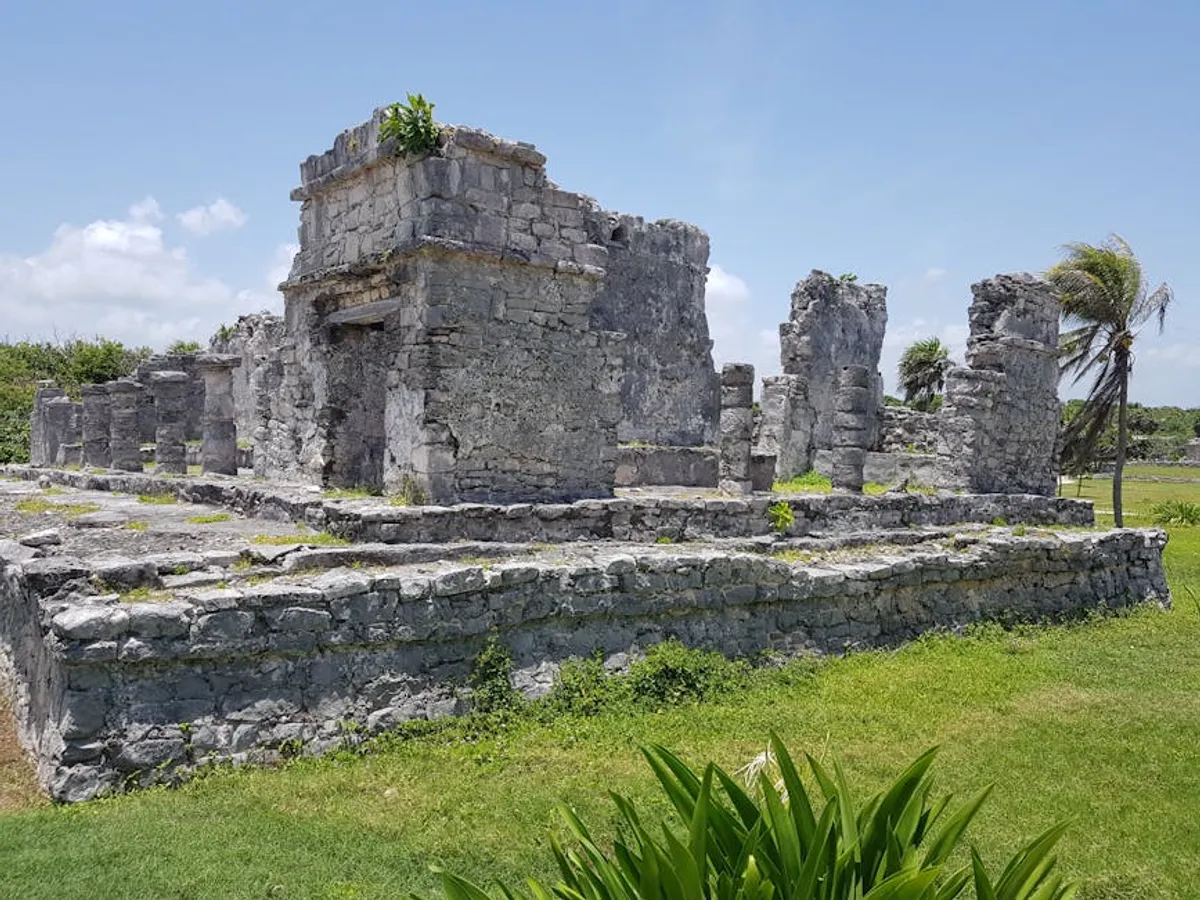
Tulum's cultural narrative is anchored by its pre-Columbian Mayan ruins, perched on a cliff overlooking the Caribbean Sea. This archaeological site, once a major port city, offers a tangible connection to the region's ancient past. Visiting the ruins provides historical context and panoramic views. Early morning visits are recommended to avoid crowds and the midday heat.
Beyond the ruins, Tulum’s modern culture is characterized by a bohemian and eco-conscious ethos. This is evident in the architecture—often natural materials and open-air designs—and the prevalence of yoga studios, wellness retreats, and artisan boutiques. The town's commitment to sustainability, though sometimes challenged by rapid development, shapes much of the local experience. Exploring the artisan markets and local galleries in Tulum Pueblo offers a glimpse into contemporary Mayan craftsmanship and artistic expression.
Practical Considerations for Your Tulum Trip
Transportation within Tulum primarily relies on taxis, rental bicycles, or personal vehicles. The beach zone is spread out, making walking impractical for covering significant distances. Bicycles are a popular option for shorter commutes between the town and closer beach areas. For excursions to cenotes or other archaeological sites, organized tours or rental cars offer more flexibility.
Accommodation ranges from budget-friendly hostels and guesthouses in Tulum Pueblo to luxury boutique hotels and eco-resorts in the beach zone. The choice often dictates the overall style and cost of a visit. Booking accommodations and popular restaurant reservations in advance, especially during high season (November to April), is advisable to secure preferred options.
Planning Your Tulum Experience
A successful trip to Tulum requires balancing its diverse offerings with practical planning. Consider your priorities: if ancient history and local flavor are paramount, focus on the ruins and Tulum Pueblo. If beach relaxation and upscale dining are the goal, the hotel zone will be more suitable. Integrating both aspects often provides the most comprehensive experience. Researching specific cenotes, understanding local transportation, and preparing for cash transactions will enhance the practical aspects of your visit. Tulum offers a distinct blend of natural beauty, historical depth, and contemporary lifestyle, making it a destination that rewards thoughtful preparation.
Frequently Asked Questions About Visiting Tulum
When is the best time to visit Tulum?
The dry season, from November to April, offers pleasant temperatures and lower humidity, making it ideal for outdoor activities. The shoulder months of May and October can also be good, with fewer crowds and potentially lower prices, though with higher chances of rain.
Is Tulum safe for tourists?
Tulum is generally considered safe for tourists, particularly in the main tourist areas. Standard travel precautions apply: be aware of your surroundings, avoid walking alone at night in poorly lit areas, and safeguard your valuables. Local authorities are typically visible in tourist zones.
How do I get to Tulum from Cancún International Airport (CUN)?
From Cancún International Airport (CUN), travelers can reach Tulum via ADO bus service, private shuttle, or rental car. The ADO bus is the most economical option, offering direct routes. Private shuttles provide convenience and direct transport to your accommodation, while rental cars offer the most flexibility for exploring the region independently.
Should I bring US dollars or Mexican Pesos to Tulum?
While some establishments accept US dollars, transactions are typically processed at unfavorable exchange rates. It is advisable to use Mexican Pesos for all purchases. ATMs are available, but it's wise to carry some cash for smaller vendors and emergencies. Inform your bank of your travel plans to avoid card issues.