Navigating the culinary landscape of Varadero offers an experience that extends beyond the resort dining rooms. For visitors seeking to genuinely connect with Cuban culture through its flavors, understanding what to eat and where to find it locally is essential. This guide focuses on identifying authentic dishes and directing you towards the establishments that best showcase Varadero's distinct gastronomic identity, moving past generic options to highlight specific local traditions and ingredients.
Essential Cuban Dishes to Experience in Varadero
Cuban cuisine in Varadero is characterized by its rich, slow-cooked flavors and a foundation of staples like rice, beans, pork, and plantains. These dishes are not merely meals; they represent generations of culinary heritage.
- Ropa Vieja: This shredded beef dish, simmered in a savory tomato-based sauce with bell peppers and onions, is a national favorite. Its name, translating to "old clothes," refers to the appearance of the shredded meat.
- Lechón Asado: Roast suckling pig, often marinated in citrus and garlic, is a celebratory dish. When prepared correctly, the skin is crispy, and the meat remains tender and flavorful.
- Arroz Congrí: A staple side dish, this combines white rice and black beans cooked together, often with bacon or pork fat, infusing it with a distinct smoky flavor.
- Yuca con Mojo: Boiled or fried yuca (cassava) served with a garlic-citrus sauce (mojo) offers a textural contrast and a bright, tangy counterpoint to richer main courses.
- Tostones or Mariquitas: Fried plantains, either thick and savory (tostones) or thinly sliced and crispy (mariquitas), are common appetizers or sides.
Varadero's Seafood Bounty
Given Varadero's peninsula location, fresh seafood is a prominent feature of its culinary offerings. Local catches provide opportunities to taste ocean-fresh preparations.
Lobster is frequently available, often grilled with garlic butter or prepared in a creole sauce. Shrimp dishes, from garlic shrimp to shrimp cocktails, are also common. Various white fish, such as snapper or mahi-mahi, are typically pan-fried or grilled whole, allowing the natural flavors to come through with minimal seasoning beyond salt, pepper, and a squeeze of lime.
Local Drinks and Desserts
No culinary exploration is complete without sampling local beverages and sweets.
Drinks: Classic Cuban cocktails like the Mojito and Daiquiri are ubiquitous, often prepared with locally distilled rum and fresh ingredients. Fresh fruit juices, particularly guava, mango, and papaya, offer refreshing non-alcoholic options. Cuban coffee, strong and sweet, serves as both a morning ritual and an afternoon pick-me-up.
Desserts: Traditional Cuban desserts often feature tropical fruits, coconut, and condensed milk. Flan, a caramel custard, is a common offering, as are various preparations of guava or papaya with local cheese.
Where to Find Authentic Dining Experiences
The best way to experience Varadero's authentic cuisine is often by venturing beyond the confines of large resorts and exploring local eateries.
Paladares: The Heart of Cuban Home Cooking
Paladares are privately owned, family-run restaurants, often operating out of converted homes. They represent the most reliable avenue for authentic Cuban food, offering a more intimate atmosphere and often superior quality compared to larger, state-run establishments. Menus typically feature traditional dishes, with an emphasis on fresh, locally sourced ingredients. Look for establishments displaying a "Paladar" sign or inquire with locals for their recommendations.
Pro Tip: Many popular paladares, especially those with established reputations, operate on a reservation-recommended basis. Calling ahead ensures a table and can sometimes allow for special requests regarding dietary needs or specific dishes.
Local Cafeterias and Street Vendors
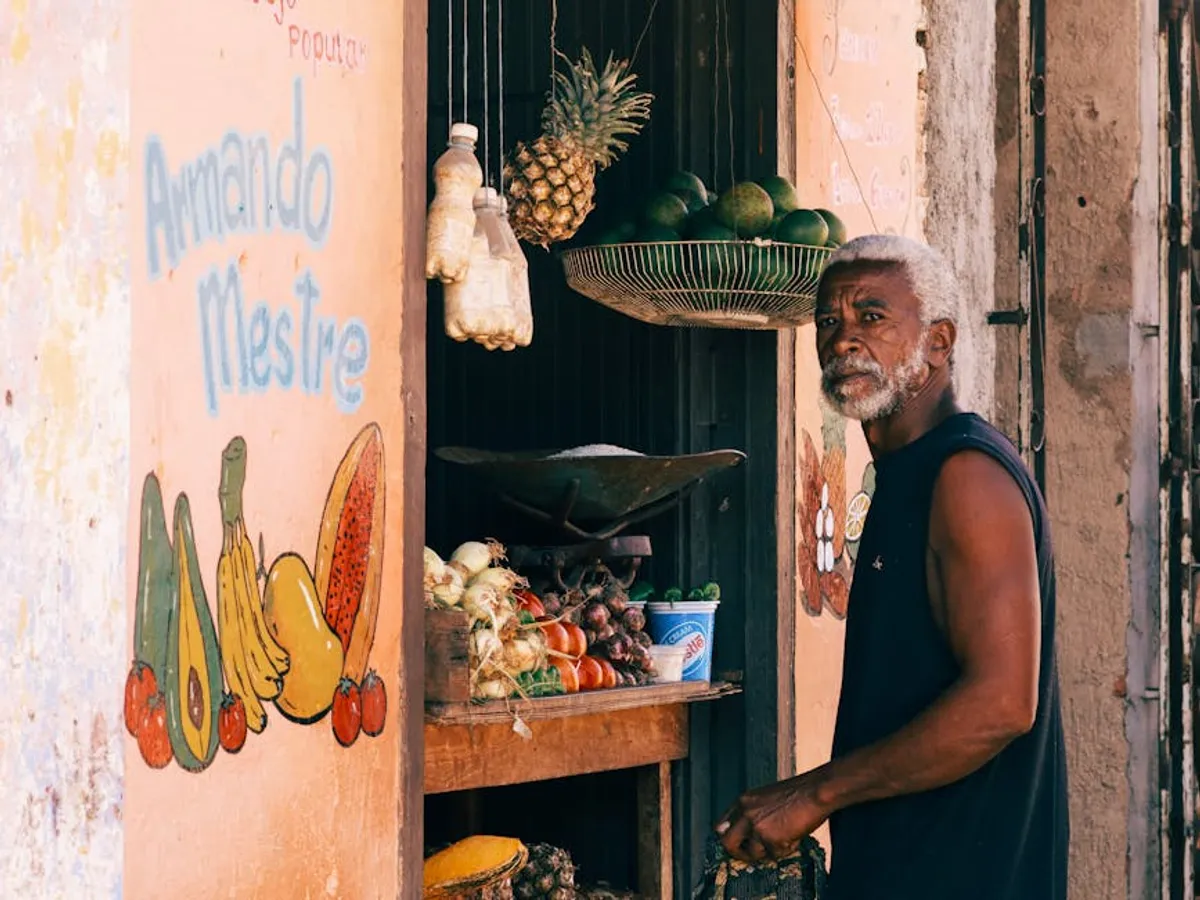
For quick, inexpensive, and often flavorful bites, local cafeterias and street vendors are excellent choices. These spots might offer Cuban sandwiches, croquetas, or empanadas. While the settings are casual, the food provides a glimpse into daily Cuban life and cuisine.
Navigating the Menu and Ordering
While some establishments cater to international visitors with English menus, having a few basic Spanish phrases can enhance your dining experience. Phrases like "Quiero..." (I want...), "¿Qué me recomienda?" (What do you recommend?), and "Soy vegetariano/a" (I am vegetarian) are useful. Don't hesitate to ask about the daily specials (especiales del día), which often highlight the freshest ingredients available.
Practical Considerations for Dining in Varadero
Understanding local customs and practicalities ensures a smoother dining experience.
- Cash is King: While some larger establishments may accept credit cards, cash (Cuban pesos, CUP, or sometimes USD/EUR) is predominantly used in paladares and smaller eateries. Plan accordingly by carrying sufficient local currency.
- Tipping Etiquette: Tipping 10-15% for good service is customary in paladares and restaurants. For casual vendors, rounding up the bill or leaving a small amount is appreciated.
- Water Safety: Always opt for bottled water. Tap water is generally not safe for drinking.
- Dietary Restrictions: Communicating specific dietary needs can be challenging due to language barriers and less common awareness of certain restrictions. It's advisable to be clear and patient, or carry a translation card if your needs are critical.
Maximizing Your Culinary Exploration
To fully immerse yourself in Varadero's food scene, prioritize authenticity over convenience. Seek out paladares recommended by locals or those with visible signs of fresh, daily preparations. Engage with your servers; they can often provide insights into the dishes and local culture. Embrace the experience of trying new flavors and appreciating the resourcefulness and tradition inherent in Cuban cooking. Your most memorable meals will likely be found in the places that offer a true taste of Cuba.
Frequently Asked Questions
Is it safe to eat street food in Varadero?
Generally, yes, but exercise common sense. Look for vendors with visible cooking processes and a steady stream of local customers, indicating freshness and popularity. Prioritize cooked items over raw ingredients.
What is the typical price range for a meal in a Varadero paladar?
Prices vary, but a main course in a mid-range paladar might cost between 15-30 USD. More upscale paladares or those specializing in lobster could be higher. Local cafeterias offer meals for significantly less.
Should I expect specific ingredients to be consistently available?
Due to import challenges, ingredient availability can fluctuate. Menus might change daily based on what is fresh and accessible. This often results in creative cooking and daily specials that highlight seasonal or readily available produce and proteins.
Are vegetarian options widely available?
While Cuban cuisine heavily features meat and seafood, vegetarian options exist. Look for rice and bean dishes, fried plantains, yuca, salads, and vegetable stews. It's best to confirm ingredients as some vegetable dishes might still contain small amounts of meat or lard.