Cuban architecture stands as a compelling study in historical layering, political shifts, and aesthetic resilience. Its global renown stems not from a single, monolithic style, but from a dramatic, often poignant, fusion of influences spanning centuries. For those seeking to understand the island's cultural branding, tourism appeal, or even the broader narrative of preservation and adaptation, deciphering these architectural distinctives is crucial. This exploration delves into the specific elements and historical contexts that elevate Cuban architecture beyond mere buildings into a celebrated, iconic landscape.
The Enduring Legacy of Colonial and Neoclassical Styles
The foundational layer of Cuban architecture, particularly evident in Havana, Trinidad, and Cienfuegos, is rooted in its Spanish colonial past. This era introduced robust, functional structures designed for the tropical climate and defensive needs. What makes these styles famous is not just their age, but their remarkable state of preservation and the sheer scale of their presence. The integration of local materials with European design principles created a unique vernacular.
Havana's Old City: A UNESCO World Heritage Site
La Habana Vieja exemplifies this legacy. Its narrow cobblestone streets, grand plazas like Plaza Vieja and Plaza de Armas, and buildings with high ceilings, large courtyards, and intricate wrought-iron balconies speak to a period of immense wealth and strategic importance. The UNESCO designation highlights the district's outstanding universal value, recognizing its intact urban fabric and the authenticity of its architectural heritage. The fame derives from this living museum quality, where 18th-century Baroque and Neoclassical structures remain central to daily life.
Grandeur and Decay: The Photogenic Contrast
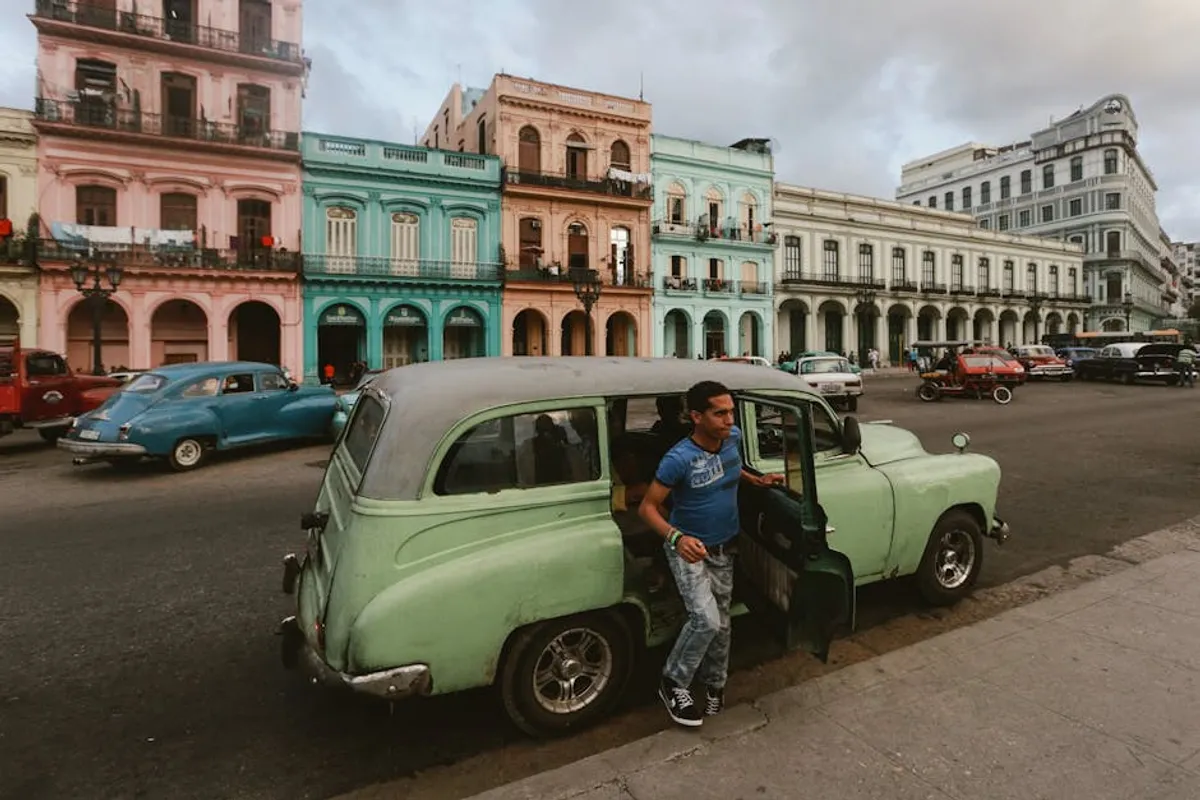
A significant part of Cuban architecture's fame comes from its visual juxtaposition of faded grandeur and vibrant life. Many colonial and Neoclassical buildings, while structurally sound, exhibit a patina of age and neglect. This "shabby chic" aesthetic, often photographed for its dramatic visual impact, tells a story of economic challenges and a slower pace of development. It offers a distinct visual narrative that separates it from perfectly restored European counterparts, creating a unique and often melancholic beauty that attracts artists, photographers, and tourists alike.
Art Deco and Eclectic Influences
The early 20th century brought a wave of international design trends to Cuba, particularly during the economic boom of the 1920s and 30s. This period saw the rise of Art Deco, Eclecticism, and later, elements of Streamline Moderne, which significantly diversified the urban landscape, especially in Havana.
The 1920s and 30s Boom: Miami's Tropical Cousin
Cuba's close ties with the United States during this era fueled a construction boom that mirrored developments in cities like Miami. Wealthy Cubans and American investors commissioned architects to build lavish homes, hotels, and public buildings reflecting the latest global styles. This influx of Art Deco, characterized by geometric patterns, rich ornamentation, and often tropical motifs, gave parts of Havana, particularly the Vedado district, a distinctive cosmopolitan feel. The fame here lies in the sheer volume and quality of these structures, many of which remain remarkably intact.
Specific Examples: Bacardi Building and Hotel Nacional
The Bacardi Building (Edificio Bacardí), completed in 1930, stands as a prime example of Art Deco's opulent application in Cuba. Its ziggurat-style tower, elaborate façade, and use of imported materials like Italian granite and stained glass make it an architectural landmark. Similarly, the Hotel Nacional de Cuba, while incorporating elements of Neoclassicism and Spanish architecture, also showcases Art Deco interiors and a grandeur that defined the era's luxury tourism. These specific, well-preserved examples contribute directly to the fame of Cuban architecture by offering tangible, high-profile illustrations of its diverse stylistic range.
Mid-Century Modernism and Revolutionary Architecture
The mid-20th century introduced Modernist principles, which were then dramatically reinterpreted following the 1959 Revolution, leading to a unique blend of pre- and post-revolutionary design philosophies.
Pre-Revolutionary Modernity: The Fusterlandia Experiment
Before 1959, architects like Max Borges Jr. experimented with tropical modernism, visible in structures like the Tropicana Cabaret. Post-revolution, the architectural landscape shifted. While large-scale modernist projects were initially planned, economic realities and political priorities altered their execution. However, the spirit of individual artistic expression endured. José Fuster's Fusterlandia, a whimsical, mosaic-covered neighborhood in Jaimanitas, exemplifies a unique, post-revolutionary folk art architecture that has gained international recognition. It showcases how personal vision can transform an entire community, turning everyday homes into a vibrant, living art installation.
Post-1959 Pragmatism: Soviet Bloc Aesthetics
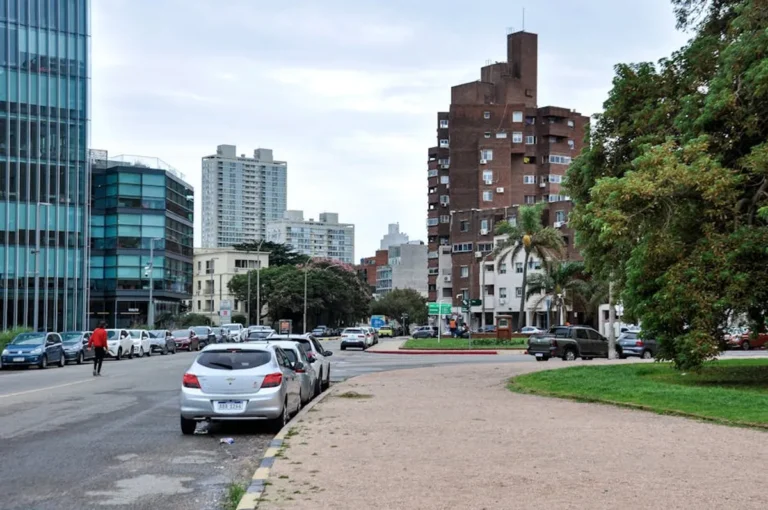
Following the Revolution, Cuba's architectural direction was heavily influenced by Soviet urban planning and construction techniques. This led to the proliferation of utilitarian, often prefabricated, residential blocks and public buildings designed for rapid, cost-effective construction. While less aesthetically celebrated than earlier styles, these structures are famous for their historical significance, representing a distinct period of socialist development and a stark contrast to Cuba's more ornate past. They reflect a pragmatic response to housing needs and resource limitations, becoming an integral part of the island's visual identity.
Pro Tip: When analyzing or documenting Cuban architecture, focus on the layers of history visible in the same structure or street. The fame often comes from the visible narrative of adaptation, resourcefulness, and the unique "time capsule" effect created by decades of relative isolation and specific economic conditions, rather than pristine preservation alone. This provides a richer, more authentic context for its appeal.
Factors Contributing to Its Global Recognition
Beyond individual styles, several overarching factors contribute to the enduring fame of Cuban architecture.
- The "Time Capsule" Effect: Decades of economic isolation and limited new construction mean that many historical buildings, particularly from the colonial and pre-revolutionary periods, have remained largely untouched by modern development. This creates an unparalleled sense of stepping back in time.
- Vibrant Color Palettes: The use of bold, often faded, pastel colors on building facades contributes significantly to the visual appeal and photographic fame of Cuban cities. These colors, combined with the tropical light, create a distinct aesthetic.
- Cultural Identity and Artistic Inspiration: Cuban architecture is deeply intertwined with the island's cultural identity. It serves as a constant source of inspiration for artists, filmmakers, and writers, further amplifying its global recognition and romanticized image.
- Adaptive Reuse and Ingenuity: The necessity of maintaining older structures with limited resources has fostered a culture of adaptive reuse and ingenious repair. This resourcefulness, while sometimes leading to decay, also highlights a unique human element in the architectural narrative.
The Enduring Appeal of Cuban Design
The fame of Cuban architecture is a complex tapestry woven from its rich history, diverse stylistic influences, and the unique socio-economic conditions that have shaped its preservation and evolution. From the grandeur of colonial palaces to the geometric precision of Art Deco facades and the pragmatic lines of post-revolutionary housing, each era has left an indelible mark. Understanding these specific characteristics provides a robust framework for appreciating its unique place in global architectural heritage, offering insights for cultural tourism, historical documentation, and the broader narrative of urban development under extraordinary circumstances.
Frequently Asked Questions
What is the oldest architectural style found in Cuba?
The oldest prominent style is Spanish Colonial, dating back to the 16th century, particularly evident in cities like Havana and Trinidad, characterized by fortified designs, courtyards, and arcades.
Why are many Cuban buildings in a state of decay?
Decades of economic hardship, limited access to construction materials, and a lack of resources for comprehensive restoration efforts have contributed to the visible decay of many historic buildings. This often creates a striking contrast with their original grandeur.
Are there any modern architectural developments in Cuba?
While large-scale new developments have been limited, there are ongoing restoration projects in historic areas, particularly in Havana, and some contemporary structures, especially in tourism-related sectors, that incorporate modern design elements while often respecting local traditions.
How does Cuban architecture reflect its political history?
Cuban architecture directly reflects its political history through distinct periods: Spanish colonial rule (fortified and ornate structures), early 20th-century American influence (Art Deco, Eclectic), and post-1959 revolution (Soviet-influenced utilitarian designs, later more experimental local modernism).