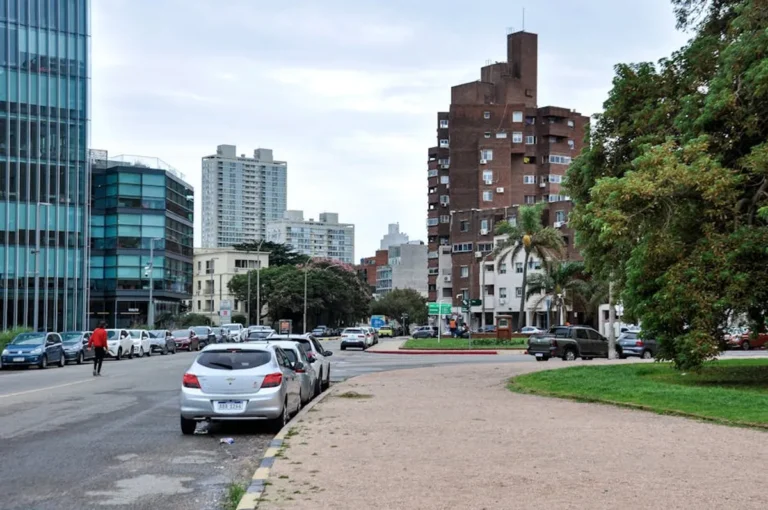
Planning family travel requires balancing diverse interests, safety considerations, and logistical efficiency. Trinidad offers a distinct Caribbean experience, moving beyond typical resort-centric holidays to provide a rich blend of natural wonders, cultural immersion, and educational opportunities. For families considering this destination, the focus shifts to identifying specific locations and activities that cater to a range of ages while ensuring comfort and accessibility. This guide outlines key areas and practical considerations for a well-rounded family itinerary in Trinidad.
Identifying Family-Friendly Regions in Trinidad
Trinidad's geography presents varied landscapes, each with specific appeal for family groups. Selecting a base or planning excursions requires understanding what each region offers in terms of activities, accommodation, and travel time.
North Coast: Beaches and Gentle Exploration
The North Coast is renowned for its accessible beaches and verdant hills. Maracas Bay, with its calm waters and vendor-lined shore offering local delicacies like bake and shark, is a primary draw for families seeking relaxation and classic beach activities. Las Cuevas Bay provides a quieter alternative, often with fewer crowds and opportunities for gentle swimming in its sheltered coves. These areas are generally well-serviced with basic amenities and offer a relaxed pace suitable for younger children.
Central and East Trinidad: Nature and Wildlife Immersion
For families interested in biodiversity and educational experiences, the central and eastern parts of the island hold significant appeal. The Asa Wright Nature Centre, located in the Northern Range, offers guided birdwatching tours and trails suitable for children, providing close encounters with diverse avian species in a protected habitat. Further east, the Nariva Swamp and the adjacent Bush Bush Wildlife Sanctuary present opportunities for boat tours to observe manatees, caimans, and various bird species, offering a unique ecological perspective. These activities are particularly engaging for school-aged children interested in natural sciences.
South Trinidad: Unique Geological and Cultural Sites
The southern region of Trinidad features distinct geological formations and cultural landmarks. The Pitch Lake, the largest natural deposit of asphalt in the world, offers an unusual and educational excursion. Guided tours explain its formation and historical significance, providing a tangible link to the island’s natural resources. While less about active play, the sheer uniqueness of the site captures the imagination of older children and teenagers. Nearby, the mud volcanoes offer a different kind of natural spectacle, though access might require more robust planning due to terrain.
Curating Activities for Diverse Ages
Successful family travel involves a mix of activities that cater to varying energy levels and interests. Trinidad provides options ranging from passive observation to active engagement.
- Beach Relaxation and Water Play: Maracas Bay and Las Cuevas Bay remain top choices for swimming, building sandcastles, and enjoying the Caribbean Sea. Lifeguard services are typically present during peak hours, adding a layer of safety.
- Nature Walks and Birdwatching: The Asa Wright Nature Centre and the various trails within the Northern Range offer guided walks. These are often paced to accommodate families, focusing on observation rather than strenuous hiking.
- Cultural Experiences: Visiting the Caroni Bird Sanctuary for the evening spectacle of Scarlet Ibis returning to roost provides a memorable natural and cultural experience. In Port of Spain, the National Museum and Art Gallery offers insights into Trinidadian history and art, while Queen's Park Savannah provides open space for recreation and a view of the "Magnificent Seven" historical buildings.
- Soft Adventure: Some areas offer opportunities for gentle kayaking or paddleboarding in calm bays, providing an active yet manageable option for families.
Pro Tip: When planning activities involving wildlife or natural sites, always confirm tour availability and booking requirements well in advance, especially during peak travel seasons. Many eco-tours operate with limited capacity to preserve the environment and ensure a quality experience, making early reservations crucial for families.
Practical Planning for Family Travel in Trinidad
Effective planning ensures a smoother and more enjoyable family trip. Key considerations include accommodation, transportation, and health precautions.
Accommodation Choices
Family-friendly accommodation in Trinidad spans guesthouses, boutique hotels, and self-catering villas. Options near the North Coast beaches often include apartments or guesthouses with kitchenettes, allowing for meal preparation and cost savings. In Port of Spain, larger hotels may offer amenities like pools and family suites. When selecting, prioritize properties that offer secure environments, proximity to amenities, and positive reviews regarding family suitability.
Transportation Logistics
Renting a car provides the most flexibility for families, especially when exploring different regions. Ensure the rental includes appropriate child safety seats if needed. Alternatively, private taxi services or pre-booked tour operators can arrange transport, offering convenience and local expertise. Public transportation, while available, can be less predictable and comfortable for families with young children or significant luggage.
Health and Safety Considerations
Consult a healthcare provider regarding necessary vaccinations and general travel health advice for Trinidad. Pack a basic first-aid kit, insect repellent, and sun protection. Stay hydrated, especially when engaging in outdoor activities. Adhere to local safety guidelines, particularly when swimming or exploring natural areas. Always inform someone of your itinerary when venturing to more remote locations.
Crafting Your Trinidad Family Itinerary
Trinidad offers a diverse palette for family travel, moving beyond the typical. By focusing on specific regions and activities that align with your family's interests and age ranges, you can construct a journey that combines relaxation, education, and adventure. Prioritize planning for logistics like transportation and accommodation to ensure a comfortable experience. Engaging with local guides or tour operators can also enrich the trip, providing context and access to unique experiences not always apparent to independent travelers. The island's blend of natural beauty and cultural depth provides a compelling backdrop for creating lasting family memories.
Frequently Asked Questions About Family Travel in Trinidad
Is Trinidad safe for families?
Trinidad, like any travel destination, requires travelers to exercise general caution. Families should research specific areas, secure accommodations, and use reputable transportation. Avoiding isolated areas, especially at night, and keeping valuables out of sight are standard recommendations.
What is the best time of year for family travel to Trinidad?
The dry season, typically from January to May, is generally considered the best time for family travel due to more predictable weather, making outdoor activities and beach visits more enjoyable. The rainy season (June to December) can bring heavy showers, though often interspersed with sunshine.
Are there activities suitable for very young children in Trinidad?
Yes, activities such as gentle beach play at Maracas or Las Cuevas Bay, visits to open parks like Queen's Park Savannah, and short, accessible nature walks at places like the Asa Wright Nature Centre can be suitable for very young children, provided adequate supervision and planning for comfort.
What type of clothing should families pack for Trinidad?
Lightweight, breathable clothing (cotton, linen) is recommended due to the tropical climate. Include swimwear, sun hats, sunglasses, and reef-safe sunscreen. For nature excursions, closed-toe shoes and insect repellent are advisable. A light rain jacket can be useful during the rainy season.