For visitors to Cayo Coco seeking an authentic taste of local life beyond the resort bubble, understanding the market landscape is crucial. Unlike larger Cuban cities, Cayo Coco and its immediate surroundings are primarily developed for tourism, meaning traditional, bustling local markets are not as prevalent on the main island itself. The quest for genuinely local markets often requires a nuanced approach, distinguishing between tourist-oriented craft stalls and the more traditional, community-driven marketplaces found in nearby towns. This guide details where to find various types of markets, what to expect, and how to navigate them effectively to enrich your Cayo Coco experience with local flavor and craftsmanship.
Navigating Cayo Coco's Market Offerings
Cayo Coco is an island primarily dedicated to all-inclusive resorts, meaning its commercial infrastructure is largely geared towards tourist convenience. This shapes the type of "local markets" available. Expect more curated craft stalls and souvenir shops within designated tourist villages rather than sprawling produce or flea markets.
Pueblo La Estrella and Pueblo Flamingo: Tourist-Centric Villages
These purpose-built commercial centers serve as the primary shopping hubs for Cayo Coco visitors. While not traditional markets, they host a concentration of vendors offering Cuban crafts, art, and souvenirs. Think of them as open-air shopping complexes with a local aesthetic.
- Pueblo La Estrella: Located between the colonial and modern hotel zones, this village features numerous artisan stalls selling wood carvings, paintings, leather goods, and jewelry. Prices are often fixed, but some vendors may be open to polite negotiation, especially for multiple purchases.
- Pueblo Flamingo: Situated closer to the western resorts, Pueblo Flamingo offers a similar selection of craft vendors and souvenir shops. Both villages provide a convenient way to browse local products without leaving the resort area.
Best for: Convenient souvenir shopping, handcrafted gifts, Cuban art, and resort-adjacent browsing.
Craft Stalls and Artisan Displays at Resorts
Many Cayo Coco resorts periodically host local artisans who set up temporary stalls within the hotel grounds. These pop-up markets offer a selection of goods similar to those found in Pueblo La Estrella or Flamingo, providing an even more accessible shopping experience directly at your accommodation. Check with your hotel's guest services for schedules.
Best for: Last-minute souvenir purchases, direct interaction with individual artisans, and convenience.
Venturing Beyond Cayo Coco for Authentic Local Markets
For a true immersion into Cuban local markets, a trip off the Cayo Coco causeway to the mainland is necessary. The town of Morón, and further afield, the provincial capital Ciego de Ávila, offer the kind of vibrant, community-driven markets that are less common on the resort island.
Morón: The Gateway to Local Life
Located approximately an hour's drive from Cayo Coco, Morón is the closest significant town and a popular destination for organized excursions. Here, you will find a more authentic Cuban experience, including a central market square and smaller, informal street vendors.
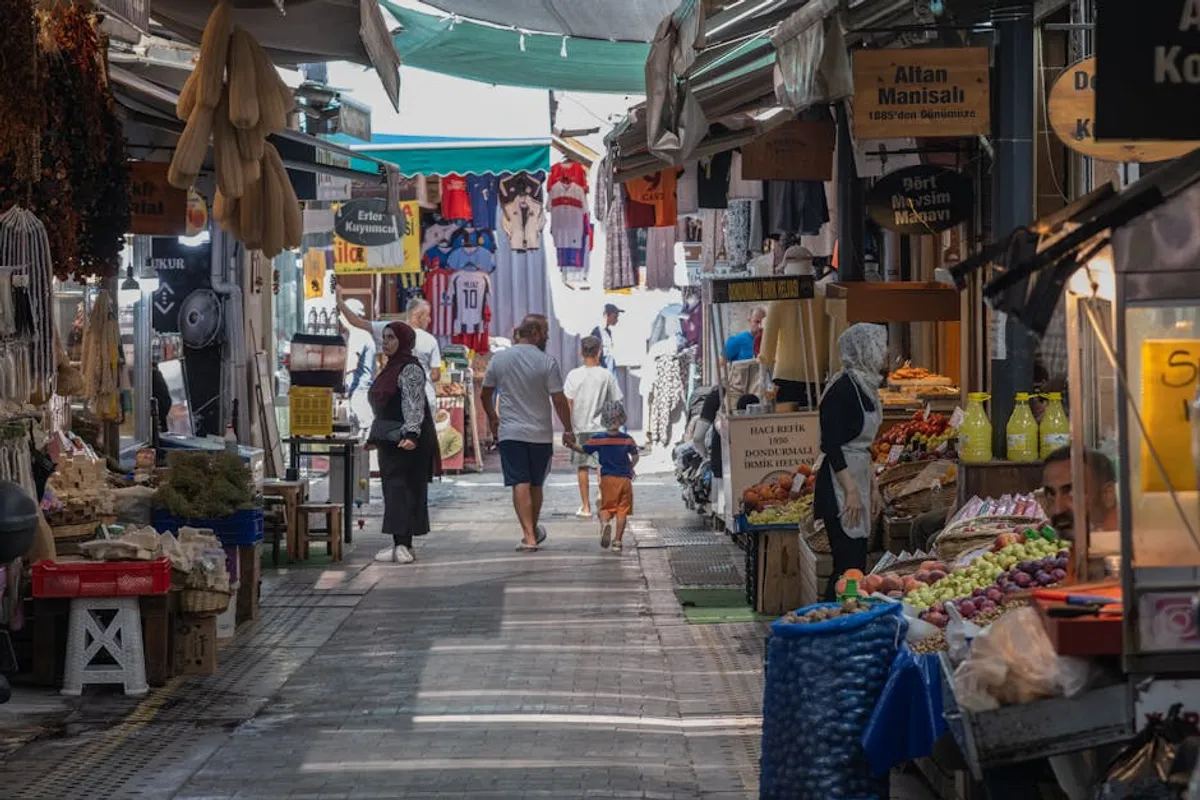
- Mercado Agropecuario (Agricultural Market): Morón has a bustling agricultural market where locals purchase fresh produce, meats, and other staples. While primarily a food market, visiting offers a genuine glimpse into daily Cuban life and commerce. Tourist purchases here are less common, but the experience is invaluable for cultural context.
- Street Vendors: Around the main plazas and commercial streets of Morón, you'll encounter informal vendors selling everything from snacks and small crafts to clothing. These interactions provide opportunities for more spontaneous discoveries.
Best for: Authentic cultural immersion, fresh produce (for those with self-catering options or a desire to observe), and a more dynamic local shopping environment.
Ciego de Ávila: The Provincial Capital
Further south from Morón, Ciego de Ávila offers a larger urban environment with more extensive market opportunities. This requires a longer day trip but provides the broadest range of goods and a truly local atmosphere.
Best for: Comprehensive local shopping, larger variety of goods, and a full-day cultural excursion.
Pro Tip: When visiting markets in Morón or Ciego de Ávila, carry small denominations of Cuban Pesos (CUP). While many vendors in tourist areas accept foreign currency, local markets operate predominantly in CUP, and having exact change facilitates smoother transactions. Be prepared for friendly haggling, especially for crafts, but respect the vendors' initial offers.
What to Expect and How to Prepare
Regardless of which market type you visit, a few considerations will enhance your experience:
- Currency: While CUC (Cuban Convertible Peso) was previously common, Cuba now primarily uses CUP (Cuban Peso). Many tourist-focused vendors accept USD, CAD, or EUR, but having CUP for smaller purchases or local markets is advisable.
- Transportation: To reach Pueblo La Estrella or Flamingo, resort shuttles or taxis are readily available. For Morón or Ciego de Ávila, organized excursions, private taxis, or shared colectivos are options. Discuss pricing upfront.
- Goods: Expect a range of items including hand-carved wooden figures, paintings, embroidered linens, leather goods (wallets, belts), local honey, coffee, and cigars. In local food markets, you'll find seasonal fruits, vegetables, and other staples.
- Bargaining: In artisan markets and with street vendors, polite negotiation is often part of the experience. For food items in local markets, prices are usually fixed.
- Authenticity: Be discerning. Some "handicrafts" are mass-produced. Look for unique pieces and engage with the artisans directly to understand their craft.
- Hydration: Markets can be warm and busy. Carry water, especially if venturing to mainland towns.
Maximizing Your Market Experience
Finding local markets in Cayo Coco is about adjusting expectations to the island's resort-centric nature and being willing to explore beyond the immediate tourist zones. The commercial villages offer convenient access to souvenirs and crafts, while a day trip to Morón or Ciego de Ávila provides a deeper dive into authentic Cuban market culture and daily life. Plan your visit with an understanding of currency, transportation, and local customs to ensure a rewarding and culturally enriching shopping adventure.
Frequently Asked Questions
Are there any fresh produce or farmer's markets directly in Cayo Coco?
No, Cayo Coco is primarily a resort island with limited agricultural activity. For fresh produce and farmer's markets, you would need to travel to nearby mainland towns like Morón or Ciego de Ávila.
Can I use US dollars at markets in Cayo Coco?
Many tourist-oriented vendors in Pueblo La Estrella, Pueblo Flamingo, and resort craft stalls will accept US dollars, Canadian dollars, or Euros. However, for smaller purchases or in more local settings (like Morón's markets), Cuban Pesos (CUP) are preferred and often necessary.
What are the typical operating hours for markets?
Tourist villages like Pueblo La Estrella and Pueblo Flamingo generally operate from mid-morning (around 10:00 AM) until late afternoon or early evening (around 5:00 PM - 7:00 PM), though hours can vary. Local markets in towns like Morón typically open earlier, from around 7:00 AM or 8:00 AM, and close in the early afternoon.
Is it safe to visit local markets in Morón or Ciego de Ávila?
Yes, generally it is safe to visit these towns. Standard travel precautions apply: be aware of your surroundings, keep valuables secure, and avoid displaying large amounts of cash. Organized excursions or reputable taxi services are recommended for transportation.