Holguín, known as the "City of Parks," offers a vibrant tapestry of local markets that reflect the daily life and cultural rhythm of its residents. For visitors and new residents alike, navigating these markets provides direct access to fresh produce, artisanal crafts, and a glimpse into the local economy. Understanding where to find these hubs, what they offer, and how to engage with them effectively is key to a rewarding experience, whether you're seeking ingredients for a home-cooked meal or a unique souvenir.
Primary Market Destinations in Holguín
Holguín features several distinct market types, each catering to different needs. From bustling agricultural centers to dedicated craft fairs, knowing which market specializes in what can optimize your visit.
Agromercado El Calixto
Located near the heart of the city, Agromercado El Calixto serves as one of Holguín's largest agricultural markets. It is a primary destination for fresh produce, including seasonal fruits, vegetables, and root crops. Vendors typically source their goods directly from local farms, ensuring freshness and variety that fluctuates with the harvest calendar. Prices are generally set, though small negotiations for bulk purchases might occur. This market operates daily, with peak activity in the mornings.
Best for: Fresh produce, local staples like yuca, malanga, plantains, and seasonal fruits such as mangoes or guavas.
Feria Artesanal Holguín
Situated in a more central, accessible area, the Feria Artesanal is a dedicated craft market. This is where local artisans showcase and sell handmade goods. Offerings range from wood carvings and leather products to paintings, jewelry, and textiles. The market provides a direct channel for artists to connect with buyers, often allowing for custom requests or insights into the creation process. Items here are typically priced for tourists, and polite bargaining is a common practice.
Best for: Authentic Cuban souvenirs, unique gifts, local art, and handmade accessories.
Mercado Central de Holguín
The Mercado Central functions as a general goods market, offering a broader array of items beyond just food or crafts. While it may include some produce stalls, its primary focus often leans towards household goods, clothing, basic electronics, and sometimes even repair services. This market tends to be more utilitarian, catering to the everyday needs of local families. It's less about novelty and more about practical necessities.
Best for: Household items, clothing, everyday essentials, and experiencing a more local shopping environment.
Understanding Market Offerings
The variety of goods available across Holguín's markets caters to diverse needs. Knowing what to expect helps in planning your shopping trip efficiently.
- Agricultural Products: Expect a seasonal rotation of fruits (mango, guava, papaya, pineapple), vegetables (tomatoes, cucumbers, peppers), root crops (yuca, malanga, boniato), and sometimes fresh herbs. Prices are typically per pound or unit.
- Handicrafts and Art: Common items include hand-carved wooden figures, painted canvases depicting local scenes, handmade jewelry from natural materials, woven baskets, and embroidered textiles. Many items showcase Afro-Cuban influences.
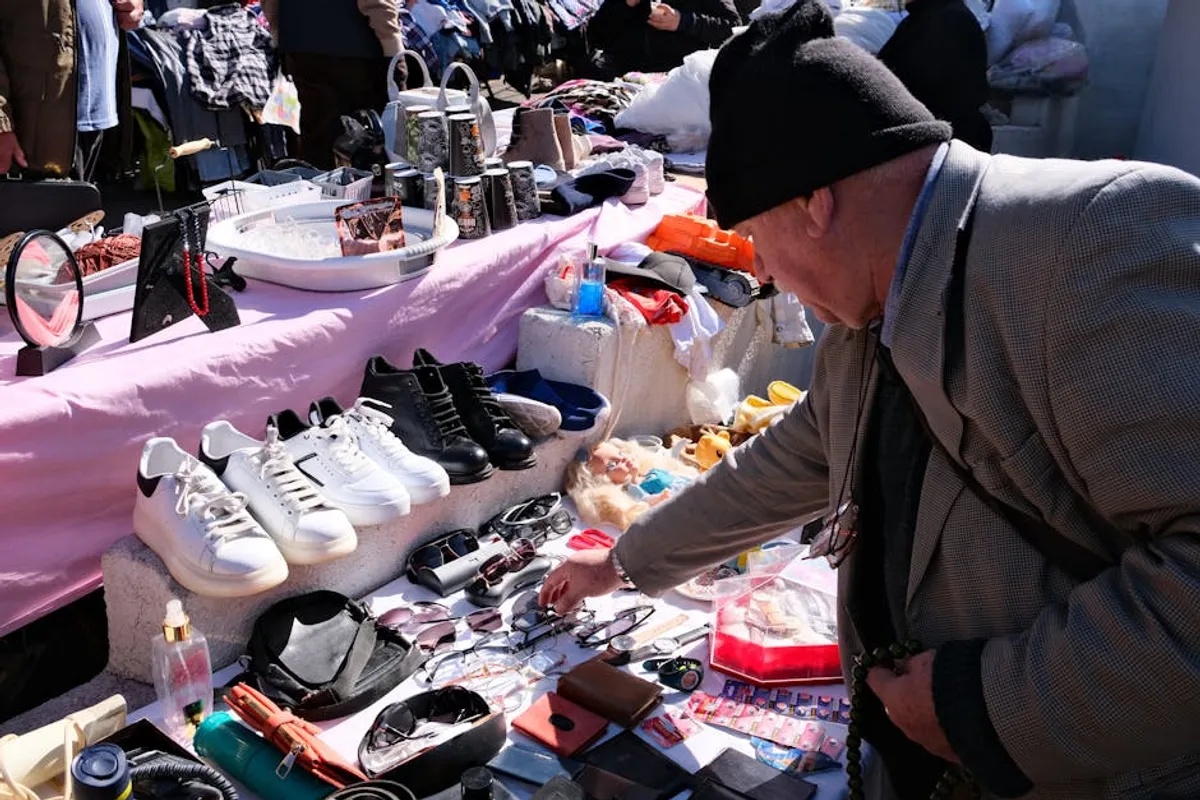
- General Merchandise: This category can be quite broad, encompassing clothing (often imported or locally made), shoes, small electronics, kitchenware, and sometimes used goods. Quality and origin vary widely.
- Snacks and Beverages: Some markets might have small stalls selling fresh juices, local sweets, or light snacks. These are often cash-only transactions.
Pro Tip: When visiting any market in Holguín, it's advisable to carry Cuban Pesos (CUP) in smaller denominations. While some vendors may accept foreign currency, CUP is the standard for local transactions, particularly for food and smaller craft items. Having exact change can also expedite purchases.
Practical Tips for Navigating Holguín's Markets
A successful market visit in Holguín often depends on preparation and an understanding of local customs.
Best Times to Visit
Most markets begin operations early in the morning, typically around 7:00 AM or 8:00 AM, and continue through the early afternoon. For the freshest produce and widest selection, arriving shortly after opening is recommended. Craft markets may have slightly later hours, sometimes extending into the early evening, especially on weekends.
Transportation and Access
Holguín's city center markets are generally accessible by foot if you are staying nearby. For those further afield, local taxis (both state-run and private "almendrones"), bicitaxis (bicycle taxis), or even horse-drawn carriages offer transportation options. Confirm the fare before starting your journey, as meters are uncommon.
Language and Communication
Spanish is the primary language spoken by vendors. While some vendors at craft markets may have a basic grasp of English, especially for common phrases related to sales, it's beneficial to know a few key Spanish phrases for pricing and quantity. A simple "Cuánto cuesta?" (How much does it cost?) and "Gracias" (Thank you) can go a long way.
Maximizing Your Market Experience
Engaging with Holguín's markets offers more than just shopping; it's an opportunity for cultural immersion. Be open to conversation, observe the interactions, and appreciate the local pace of life. Remember that market dynamics can shift with seasons, local holidays, and supply availability, making each visit unique. Embrace the experience as a way to connect directly with the community and support local producers and artisans.
Frequently Asked Questions About Holguín Markets
What currency is accepted at Holguín's local markets?
Cuban Pesos (CUP) are the primary currency for transactions at local markets. While some vendors, especially at craft fairs, may accept foreign currency like USD or EUR, it's always best to have CUP in small denominations for convenience and to ensure fair pricing.
Are prices negotiable at Holguín markets?
At agricultural markets (agromercados), prices for produce are generally fixed, though small discounts for bulk purchases might be possible. At craft markets, polite bargaining is more common and often expected, especially for higher-priced items. Approach negotiation respectfully and with a friendly demeanor.
What are the typical operating hours for markets in Holguín?
Most food and general goods markets operate from early morning (around 7:00 AM or 8:00 AM) until early to mid-afternoon, often closing by 2:00 PM or 3:00 PM. Craft markets might have slightly longer hours, sometimes staying open until early evening, particularly on busy days or weekends.
Can I find organic produce at Holguín's markets?
While not always explicitly labeled "organic," much of the produce sold at agromercados comes from small local farms that often use traditional, low-intervention farming methods. Direct interaction with vendors can sometimes provide more insight into their cultivation practices.